




Lebanon (Enmaeya Feature) – 16 December 2025
In 2025, Lebanon reached an economic, environmental, and social crossroads after years of mounting strain across key sectors, from worsening food security and rising prices to growing pressure on education and public health.
In the face of this complex reality, Lebanon’s path to recovery and sustainability requires a comprehensive response, combining economic, social, and environmental policies and relying on local and international partnerships that strengthen the ability of Lebanese society to overcome its crises and build a more stable and resilient future.
1. Escalating Food Security Crisis
Lebanon faced an escalating food security crisis affecting around 1.17 million people, approximately 21% of the population, from April to June, according to reports by the World Food Programme and the Food and Agriculture Organization (FAO/WFP).
Data indicates that the crisis was more severe at the beginning of the year, with about 1.65 million people (around 30% of the population) affected, including approximately 201,000 in emergency phase (IPC Phase 4). The crisis was caused by multiple factors, notably the impacts of armed conflict that destroyed agricultural infrastructure and disrupted food production, alongside Lebanon’s deteriorating economy and high inflation rates, making it difficult for families to afford adequate food.
Damages to irrigation systems, storage facilities, and distribution markets further exacerbated food shortages, particularly in rural areas and among the most vulnerable groups, including Syrian and Palestinian refugees.
2. Educational Crisis
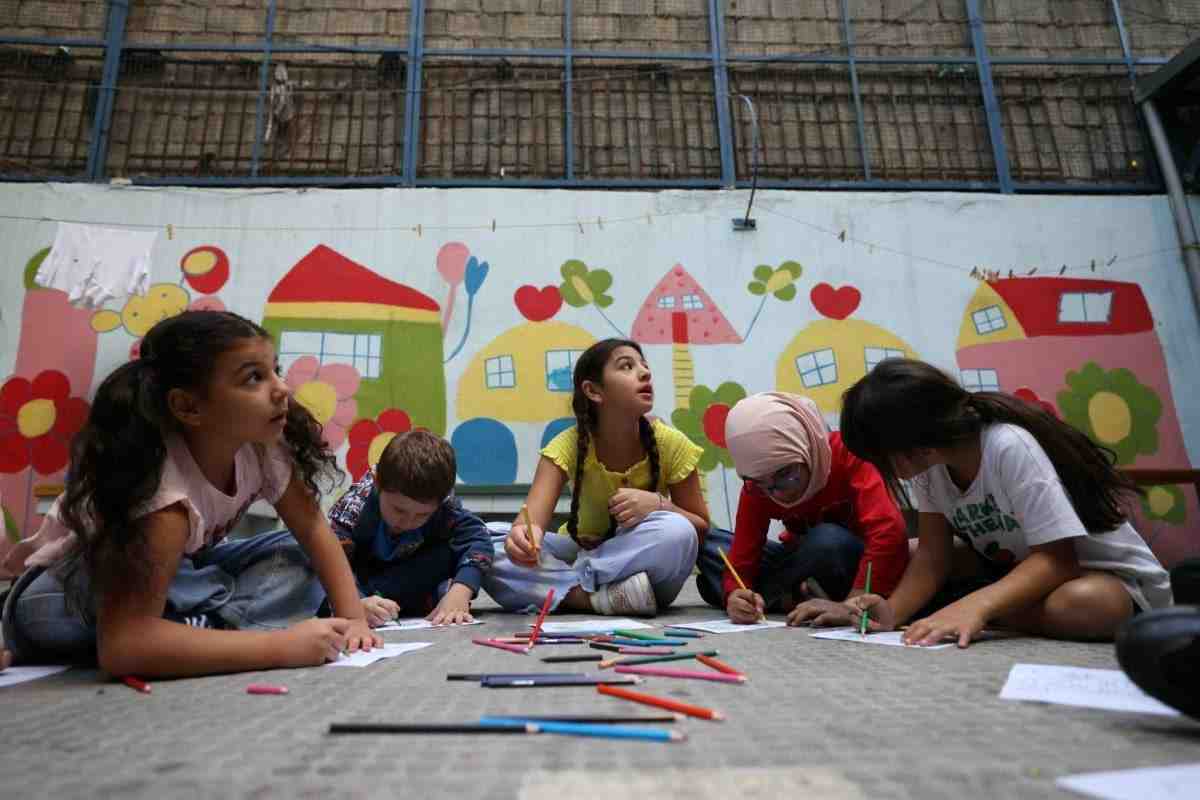
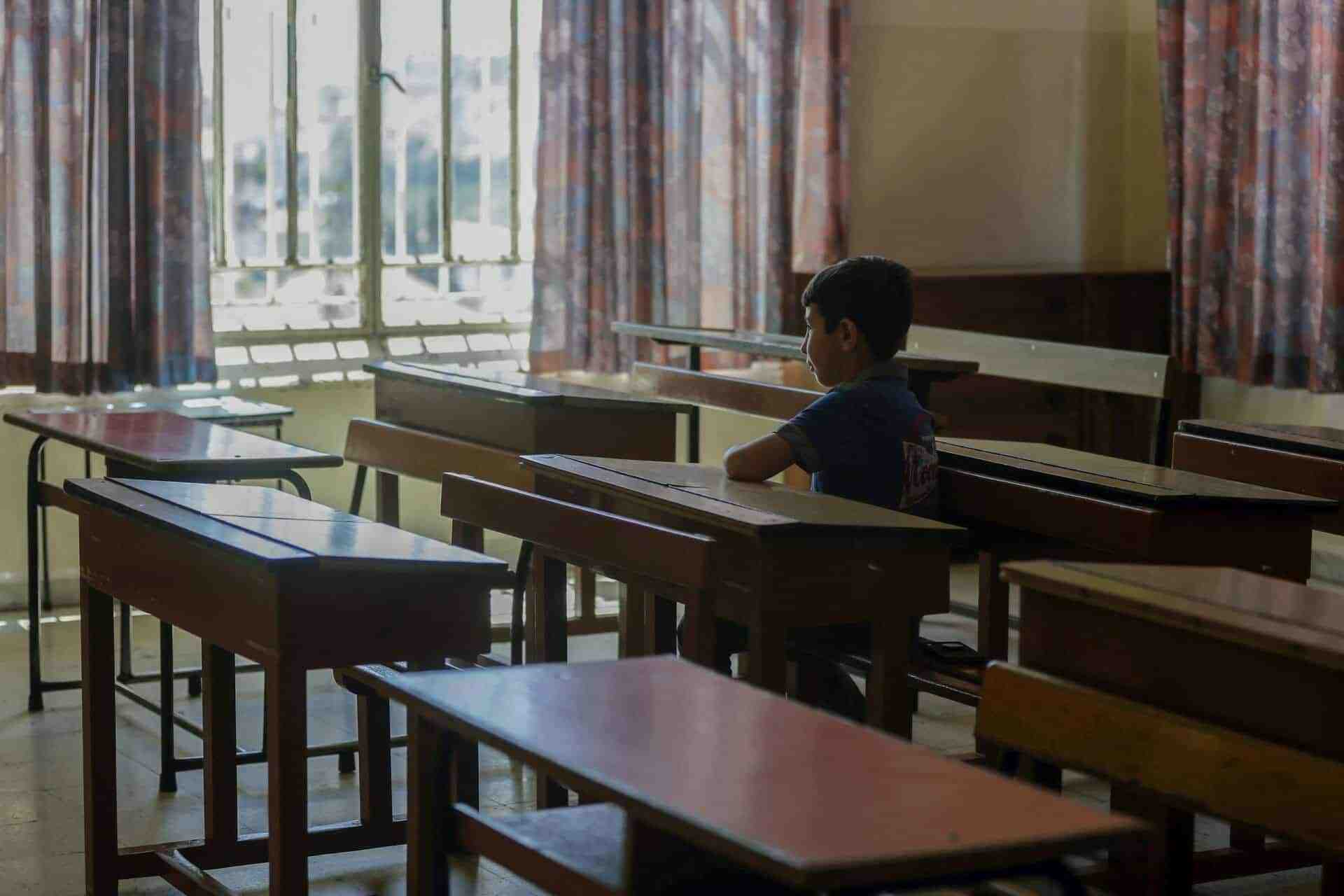
UNICEF’s Humanitarian Situation Report No. 4 (mid-2025) indicated that a large percentage of children in Lebanon remain out of formal education due to overlapping crises. During the 2024–2025 school year, the Ministry of Education and Higher Education recorded only about 327,721 children enrolled in public schools, with UNICEF supporting the enrollment of over 154,398 additional children (Lebanese and non-Lebanese) through financial aid and attendance fee coverage. Nevertheless, many children remain outside the formal system, including non-formal education programs and support sessions.
A rapid assessment by UNICEF in early 2025 found that 45% of families had to reduce spending on health and 30% on education to cover basic needs, making schooling and attendance a significant challenge. Financial barriers (fees, transportation costs, school supplies) were cited as major reasons for non-enrollment, and these barriers had doubled compared to 2023, directly contributing to higher numbers of children out of school.
Another UNICEF report in February 2025 highlighted that the effects of the war on educational infrastructure persisted, with more than 25% of children still out of school even after the ceasefire took effect, compared to over 65% during the height of the conflict. The report confirmed that many schools suffered significant damage or were converted into shelters for displaced people, hindering the full return to education and disrupting schooling for thousands of children.
3. Counterfeit Medication Crisis
On 14 May 2025, the World Health Organization issued Medical Product Alert No. 3/2025 regarding falsified batches of IMFINZI (durvalumab) injections, a drug used to treat certain types of cancer. These counterfeit batches, reported in March 2025 in several countries including Lebanon within the Eastern Mediterranean region, lacked the active ingredient, potentially delaying or failing treatment and posing serious health risks.
The WHO had previously issued Alert No. 5/2024 regarding falsified IMFINZI products in Lebanon. The 2025 alert expanded the affected area, confirming the continued spread of counterfeit batches and emphasizing the need for extreme caution in handling them to ensure patient safety.
4. Ongoing Energy Crisis and Unsustainable System
In 2025, Electricité du Liban reported that delayed fuel shipments led to reduced fuel stocks at Zahrani and Deir Ammar power plants, disrupting electricity production and increasing reliance on private generators amid high daily consumption and a lack of sustainable energy.
The current fuel supply only covers short periods, and the Ministry of Energy’s efforts to improve electricity supply remain tied to securing fuel and compensating accumulated debts.
Reports from The National and the Arab Reform Initiative indicate that Lebanese increasingly rely on diesel generators due to weak public electricity networks, with limited operating hours of 4 to 6 hours per day. This heavy dependence on fossil fuels makes the system environmentally and financially unsustainable, increases harmful emissions, burdens households with costs, and continues infrastructure deterioration without investment in renewable energy or new plants.
5. Growing Health and Psychological Crises
A UNICEF survey in January 2025 found that 72% of caregivers reported their children experienced anxiety or stress during the recent conflict, while 62% reported feelings of depression or sadness—significant increases compared to pre-conflict data.
UNICEF reports also indicate that most Lebanese families face ongoing psychological pressures due to accumulated crises, with around 7 in 10 caregivers noting that children regularly exhibit signs of anxiety, distress, or sadness.
These findings suggest that conflict-related stress and worsening economic and social conditions have long-term effects on children’s and families’ mental health, potentially leading to persistent psychological problems if proper support is not provided.
UN recommendations emphasize that basic treatment alone is insufficient; integrating psychosocial support into crisis response strategies is necessary to ensure families’ resilience and ability to cope with the effects of psychological trauma.
6. Security and Border Tensions
According to UN reports in 2025, security and border tensions in Lebanon continue to pose threats to local stability, particularly in the south along the “Blue Line,” where violations of the ceasefire occur frequently.
UNIFIL has been called upon to monitor these violations daily, while the UN Security Council extended the peacekeeping mission’s mandate to ensure a force that prevents escalation until the end of 2026.
UNFPA reports highlighted the impact of these tensions on basic services and civilian safety, including internal displacement and effects on health and infrastructure.