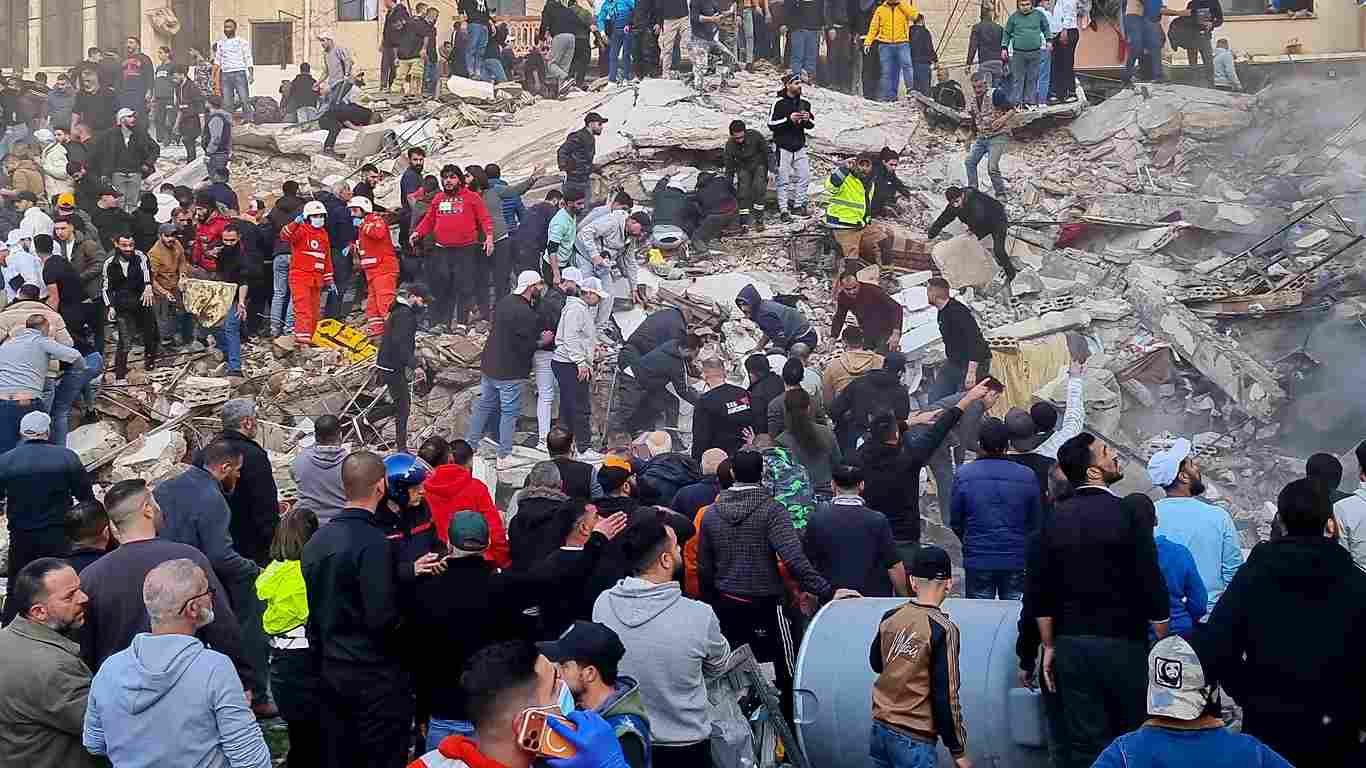





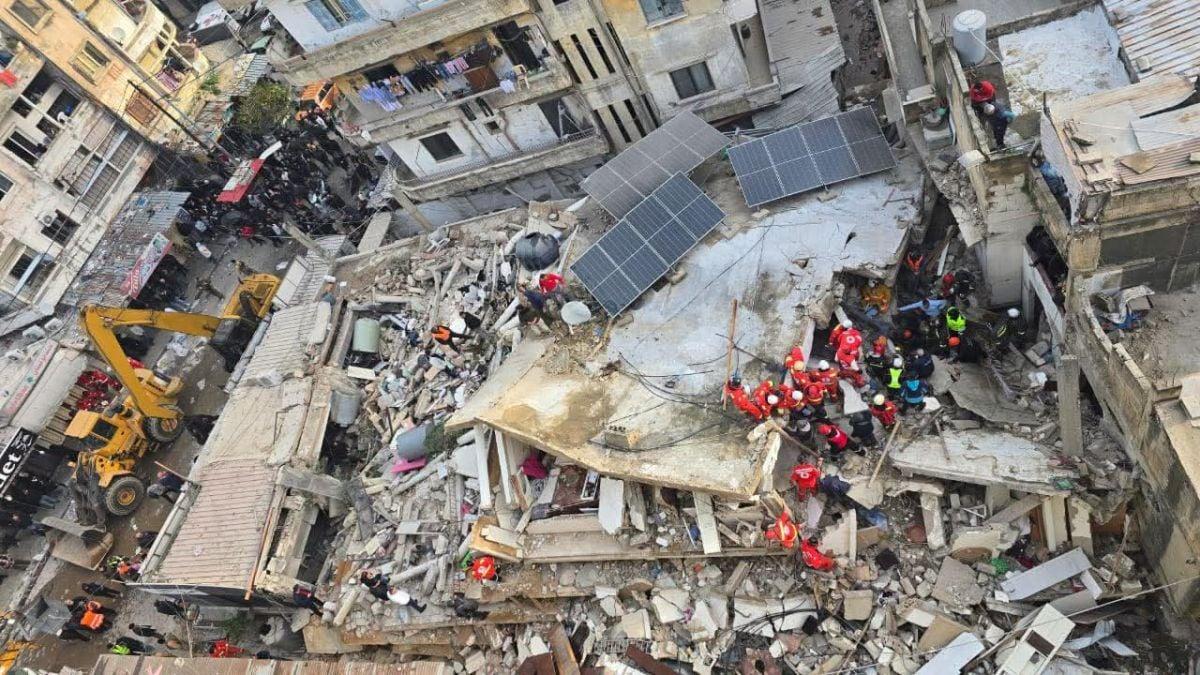
LEBANON - Minister of Public Health Rakan Nasser Al-Din launched the “Karim” initiative, granting 100 percent comprehensive health coverage to families displaced by the collapse or imminent risk of collapse of residential buildings in Tripoli, northern Lebanon.
The announcement came during a press conference at the Ministry of Public Health attended by Major General Bassam al-Nabulsi, head of the Higher Relief Committee; Dr. Abdel Hamid Karimeh, head of Tripoli Municipality; and directors and board chairs of public hospitals.
Opening the conference, Minister Nasser Al-Din extended condolences to the families of victims who lost their lives in recent building collapses in Tripoli, describing the incidents as a tragedy that underscores the urgent need for coordinated state intervention.
He said the “Karim” initiative was approved in coordination with the Prime Minister and the Cabinet, framing it as a humanitarian response aimed at reinforcing the state’s role in protecting vulnerable communities.
“This initiative represents a humanitarian commitment by the government and the Ministry of Public Health to stand by the people of Tripoli, especially the most vulnerable groups affected by the housing crisis,” Nasser Al-Din said.
Under the program, every family residing in a building deemed at risk of collapse will receive full health coverage in public hospitals in line with the Ministry’s regulations.
The coverage includes hospitalization and necessary medical services provided within the public health system.
The minister explained that the Ministry receives verified data from Tripoli Municipality and the Higher Relief Committee for each evacuated building. Based on that information, the Ministry issues individual health cards for affected family members.
Each card contains the beneficiary’s name, identification number and a unique card number, along with a QR code electronically linked to the Ministry’s database. The system is designed to streamline hospital admissions and ensure rapid verification of eligibility.
Officials said the initiative will remain in effect for as long as displacement conditions persist, with coordination continuing between municipal authorities, relief agencies and public hospitals to monitor implementation and address emerging needs.