




AMERICA - NASA is targeting early March for the launch of its Artemis II mission, aiming to send astronauts around the Moon for the first time in more than five decades.
The mission would mark humanity’s furthest crewed journey into space since the Apollo era and serve as a critical step toward a future lunar landing.
The space agency has set March 6 as the earliest possible launch date following a successful “wet dress rehearsal” at Kennedy Space Center.
The rehearsal involved fully fueling the rocket and running through the countdown sequence, a key pre-launch test. An earlier attempt in February was cut short due to a hydrogen fuel leak, but officials confirmed that issues with seals and filters have since been resolved.
Artemis II will carry four astronauts: Reid Wiseman, Victor Glover and Christina Koch of the United States, and Jeremy Hansen of Canada.
The crew will travel aboard the 98-metre-tall Space Launch System rocket, which flew uncrewed during the Artemis I mission in November 2022.
At the top of the rocket sits the Orion capsule, roughly the size of a minibus, where the astronauts will live and work during the 10-day mission. After reaching Earth orbit, the spacecraft will begin a four-day journey toward the Moon.
The crew will fly around the Moon’s far side, the portion not visible from Earth, traveling between 6,500 and 9,500 kilometres above the lunar surface before returning home for a splashdown in the Pacific Ocean.
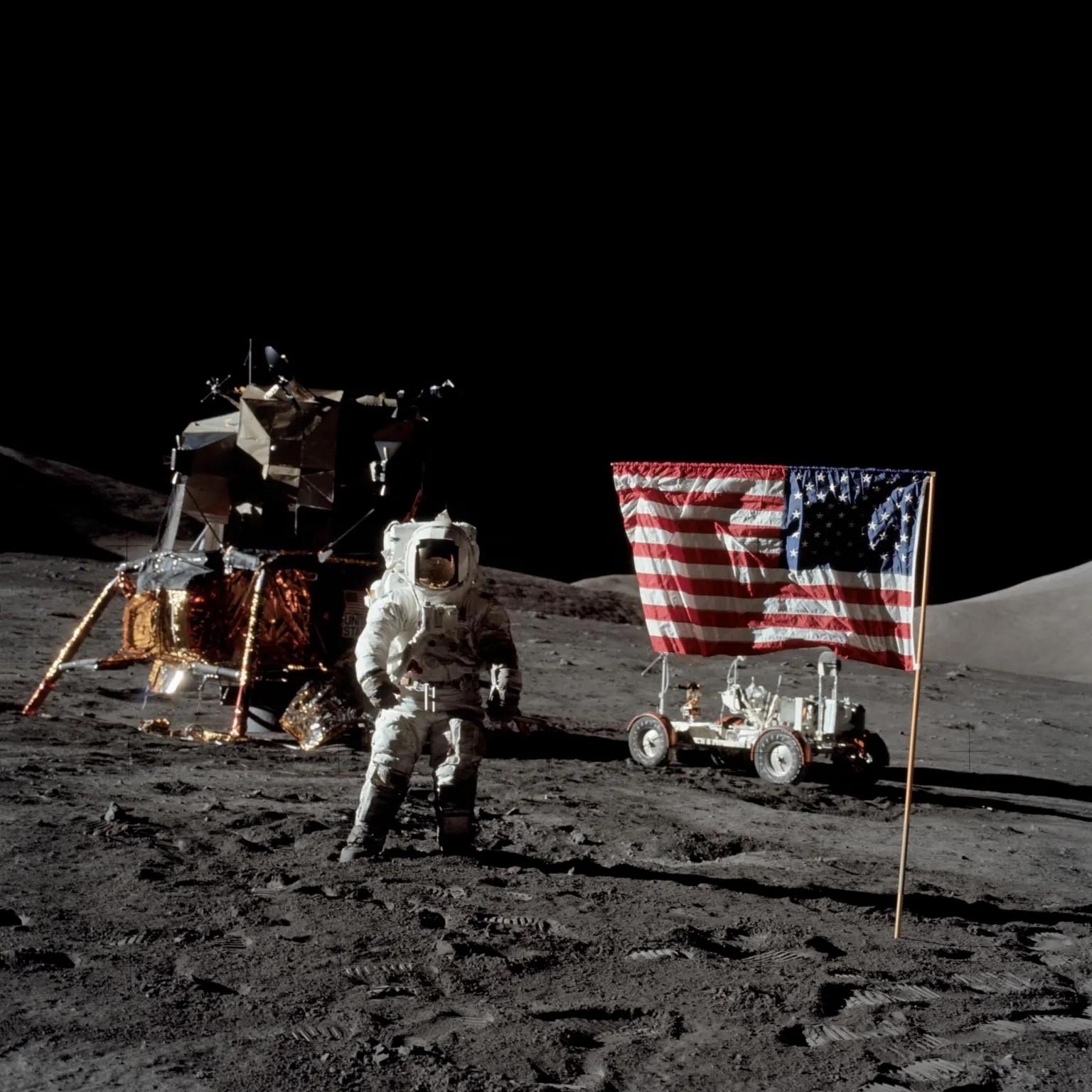
If successful, Artemis II will pave the way for Artemis III, which aims to land astronauts on the lunar surface by 2028. The last crewed Moon landing took place in 1972 during the Apollo 17 mission.