




LEBANON – On March 1, 2014, the United Nations launched the first call to celebrate what is now known as the Zero Discrimination Day.
The goal is to unite the world in celebrating diversity and rejecting all forms of discrimination, whether based on income, gender, age, health, profession, disability, race, or social class.
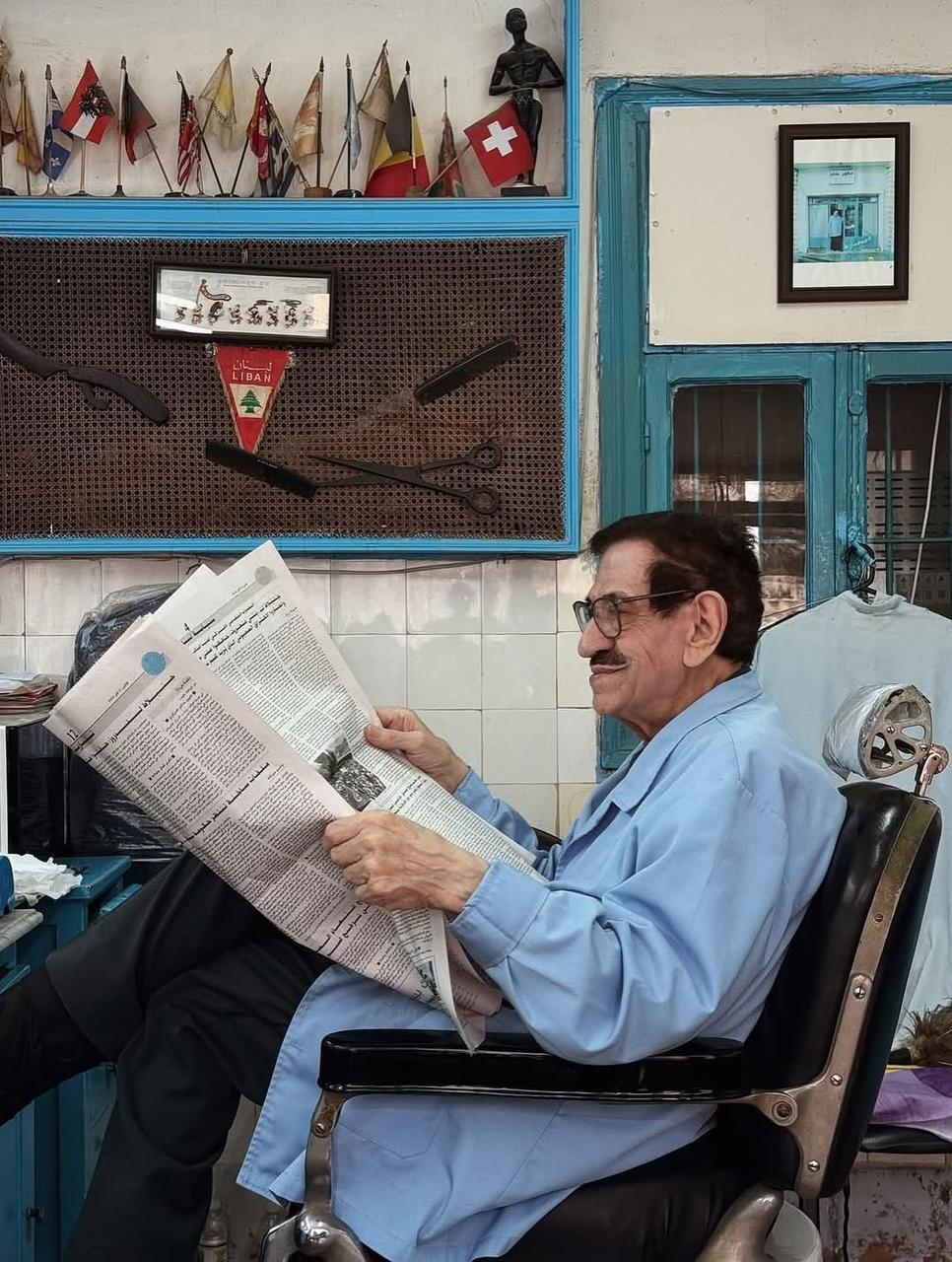
Over time, this campaign has expanded to cover all forms of social discrimination, including discrimination against older adults, who are often overlooked in policies and social services, as is the case in Lebanon today.
Numbers Reveal
Older adults make up about 11% of Lebanon’s population, the highest percentage in the Arab region, and this number is expected to rise in the coming decades.
Less than 10% receive a pension or institutional financial support, meaning most rely on their families or personal savings, which have lost value due to the economic crisis.
Around 80% of older adults have no social security or health insurance, exposing them to poverty and difficulty meeting basic needs.
Amid the crisis, access to basic healthcare has decreased, with many relying on limited public services instead of expensive private care.
Challenges in Healthcare and Social Protection
Older adults face high costs for medicines and hospitalization, with limited government coverage and insurance, restricting access to proper care.
The absence of a comprehensive social protection system makes them more vulnerable to poverty, isolation, and financial instability, despite years of work and contribution to society.
Recent assessments show:
61% of older adults did not receive any humanitarian aid after recent crises.
48% cannot access healthcare regularly.
17% have no access to healthcare at all.
39% report poor mental health.
59% did not receive any psychological or social support.
Lessons from Other Countries
In contrast, some countries provide strong social protection for older adults.
In Norway, poverty among people over 65 is less than 5%.
Pensions cover most of their financial needs, and a retiree’s income after 65 reaches about 90% of the average national income.
In Sweden, social insurance guarantees a basic pension to all retirees, regardless of their previous income. This ensures that every older adult can meet their basic needs.
In Canada and other OECD countries, government support and pensions make up a large part of older adults’ income. This gives them greater independence and dignity, allowing them to live with security and respect.
Discrimination against older adults in Lebanon is often not reflected in laws but appears in daily life through lack of essential services and poor institutional planning.
Therefore, celebrating this day is more than a symbolic act. It serves as a reminder of the need to fight all forms of discrimination and ensure a decent life and independence for those who have contributed to building society.