




LEBANON - On International Women's Day, conversations about progress often focus on representation in leadership or politics. Yet across Lebanon’s education sector, many women are shaping the future of learning in transformative ways, through innovation and entrepreneurship.
From educators and instructional designers to entrepreneurs and researchers, women are playing a growing role in introducing technology into education.
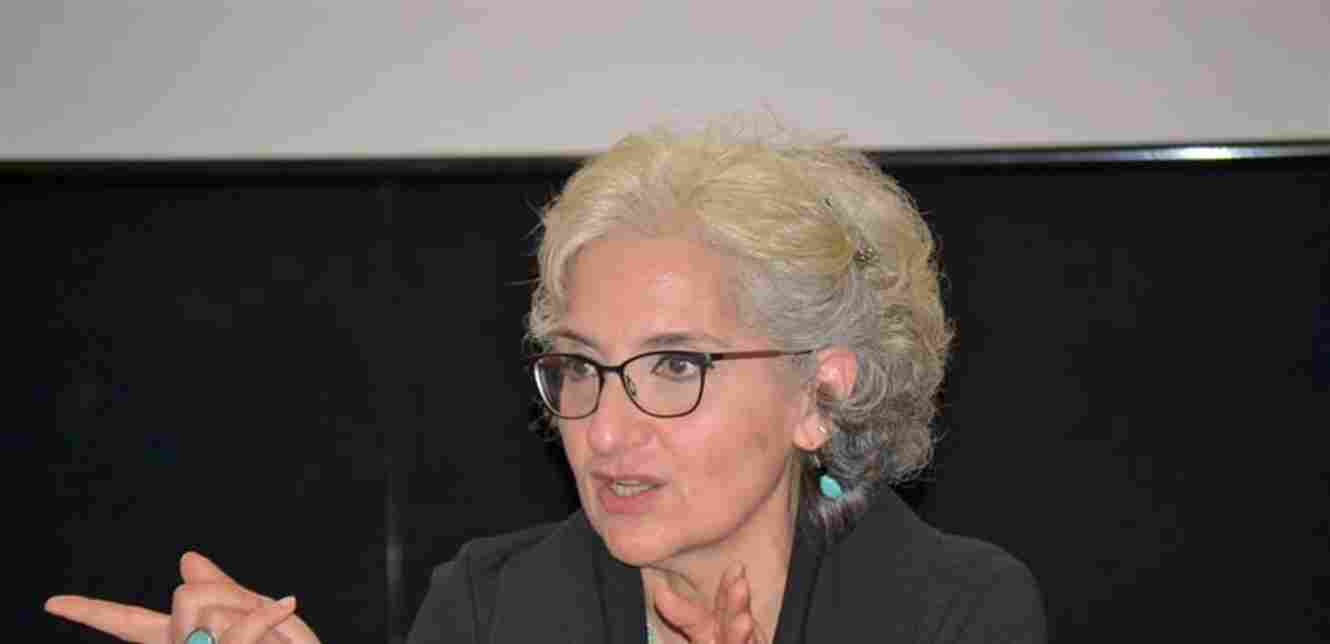
“Women in ed-tech are contributing to the introduction of technology in schools, both in software and hardware industries,” Jennifer Aouad Halabi, professor, entrepreneur, and founder of Ata3allam, told enmaeya.
Ata3allam is an award-winning application designed to help children learn Arabic through interactive and technology-driven methods.
Beyond the technological dimension, women working in pedagogy and curriculum development are also updating educational materials to reflect the demands of a rapidly changing world.
Yet these efforts often unfold in a difficult context. Over the past six years, Lebanon has experienced overlapping political, economic, and social crises that have disrupted many sectors, including education.
Aouad-Halabi notes that while educators and professors continue to work on improving teaching methods and resources, these initiatives are not always synchronized with national education authorities such as the Ministry of Education and the Center for Educational Research and Development.
Amid these challenges, gaps in learning resources have become more visible, particularly in Arabic education.
“Arabic is our official language in the Arab world, but unfortunately, kids don’t like to study it,” she says. She attributes this partly to traditional teaching methods and a lack of engaging educational resources.
Digital platforms have also proven particularly important during times of crisis. In Lebanon, school closures and displacement have interrupted learning for many children.
Under these circumstances, educational technology can become one of the few remaining connections students have to their studies.
“Ed-tech and digital resources are the only means of connection with education while in crisis,” Halabi notes. When schools close or families are displaced, online educational platforms can allow students to continue learning despite disruption.
Looking ahead, she believes the next step for Lebanon’s education ecosystem lies in stronger institutional support for innovation.
While she says there are no specific barriers preventing women from launching educational initiatives, the absence of a clear national strategy can slow the development of promising ideas.
A coordinated approach from the Ministry of Education, potentially supported by international funding, could help accelerate educational programs that demonstrate real value, she suggests.
Most importantly, she adds, such initiatives should be evaluated based on their educational impact rather than political considerations.
On International Women’s Day, the work of women across Lebanon’s education sector highlights a powerful idea: meaningful innovation often begins with identifying everyday challenges in the classroom and transforming them into solutions that help the next generation learn, grow, and stay connected to their language and culture.