




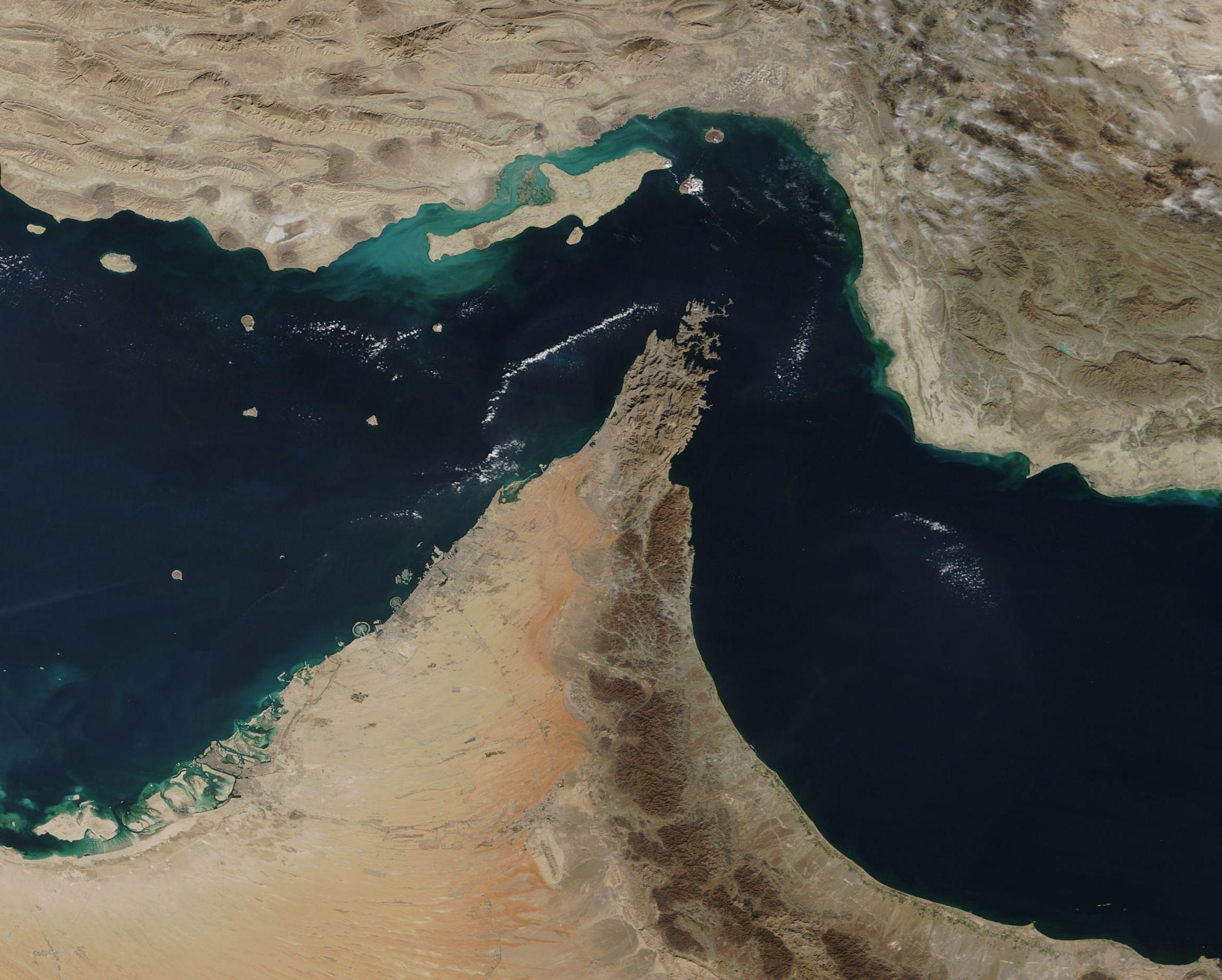
WORLD – The Strait of Hormuz is one of the world’s most important energy corridors.
Nearly 20 percent of global oil supply and a large share of liquefied natural gas (LNG) exports pass through this narrow waterway each day.
Any disruption could quickly affect global prices and shipping routes.
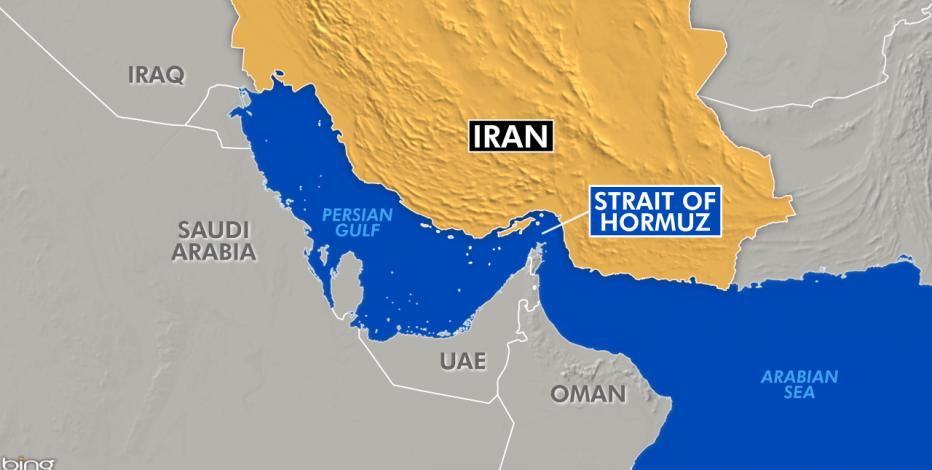 Source: Fox News
Saudi Arabia
Saudi Arabia has the strongest alternative route in the region.
The East-West pipeline allows crude oil to move from the Eastern Province to Red Sea ports, enabling part of its exports to bypass the Strait of Hormuz.
While this does not replace total export capacity, it provides significant flexibility compared to its neighbors.
United Arab Emirates
The UAE has partial protection.
The Abu Dhabi Crude Oil Pipeline carries oil to the port of Fujairah on the Gulf of Oman, outside the Strait of Hormuz.
This allows a large share of exports to avoid the strait, though not all production can be redirected through this route.
Kuwait
Kuwait is highly exposed. All of its oil exports are shipped through the Strait of Hormuz, and it does not have an alternative land-based export route.
A prolonged disruption would directly affect its ability to supply global markets.
Qatar
Qatar is particularly vulnerable due to its role as the world’s leading liquefied natural gas (LNG) exporter.
Nearly all of its LNG shipments pass through the strait. Any closure would have immediate consequences not only for oil markets, but also for global gas supplies, particularly in Europe and Asia.
Why It Matters
A sustained disruption would likely push oil and gas prices higher, increase transport and insurance costs, and add inflationary pressure globally. However, the strategic importance of the strait means that a full and prolonged closure would carry significant consequences for all parties involved.
For now, the Strait of Hormuz remains open, but its central role in global energy trade keeps it at the center of regional and international attention.