




LEBANON — The Investment Authority of the Port of Tripoli announced the adoption of an operational risk management plan aimed at maintaining port activity and ensuring the continuity of maritime trade.
In a statement, the authority said the plan is part of proactive measures designed to strengthen operational readiness while safeguarding the regular flow of maritime navigation and cargo handling.
According to the authority, the strategy seeks to enhance the port’s capacity to respond to various operational scenarios by improving the management of ship traffic and cargo operations.
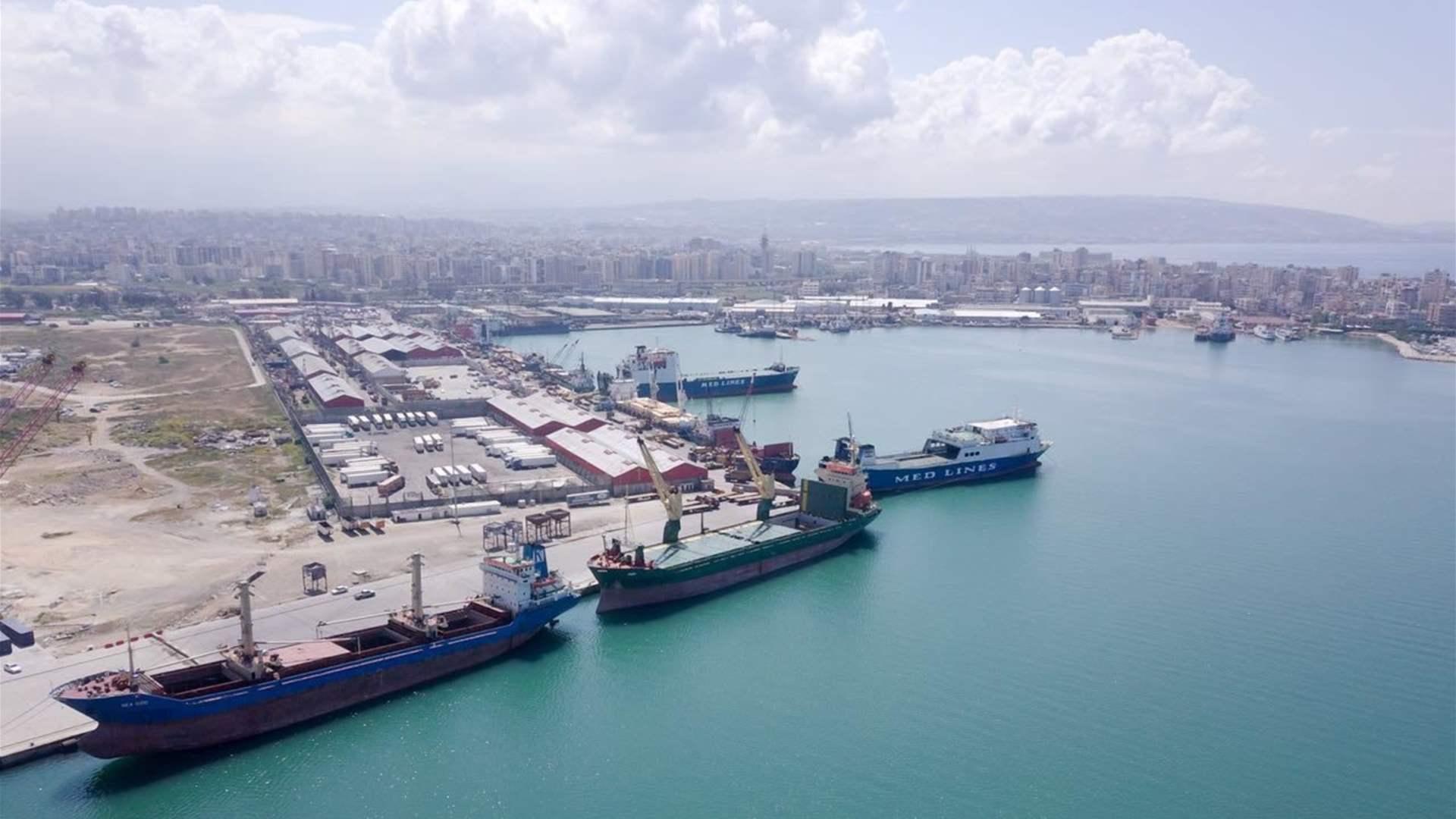
The plan also focuses on maximizing the use of the port’s facilities, including the container terminal, general cargo terminal, and dry bulk terminal, as well as warehouses, truck yards, and the free zone.
Officials said these measures aim to ensure the smooth flow of logistics operations and the continued movement of maritime trade despite current challenges.
The authority stressed that operations at the Port of Tripoli are continuing normally, with vessels arriving and cargo being processed in accordance with established operational standards.
Coordination among the public and private entities in the port area has also been strengthened to keep daily operations efficient and improve operational and security preparedness.
The statement also noted that the passenger terminal remains ready to organize maritime travel. Authorities are working to secure regular sea trips between the Port of Tripoli and the Taşucu Port in southern Turkey, with at least one voyage scheduled per week.
The route is expected to provide travelers with an additional transportation option while enhancing maritime connectivity between Lebanon and Turkey.
The port authority reaffirmed its commitment to further developing the port’s capabilities and improving the services it provides, emphasizing its role as a vital facility supporting maritime trade and helping secure the needs of the Lebanese market.