




LEBANON – Environmental NGOs and activists have issued urgent warnings after a bulldozer recently entered the area around the Monk Seal Cave in Amchit to build a residential villa.
This area is one of the most environmentally sensitive coastal sites. Excavation and clearing have already started on private land, which activists consider a serious environmental attack that cannot be ignored.
The start of this construction sparked widespread outrage, with warnings that continuing the project could destroy a rare environmental treasure and one of Amchit’s most important natural landmarks.
Importance of the Amchit Seal Cave
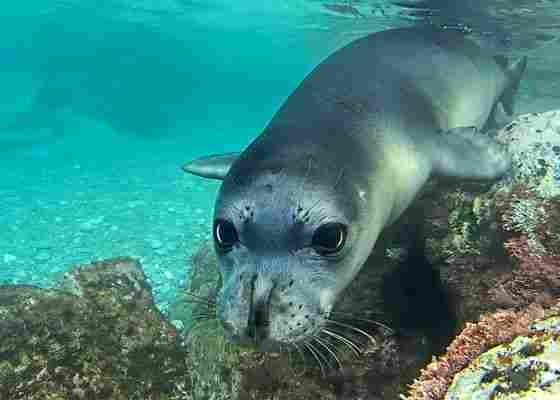
Activists emphasize that destroying the cave would threaten local biodiversity and destroy the habitat of the Mediterranean monk seal, an endangered species.
Paul Abi Rached, founder and president of Terre Du Liban Association, told Enmaeya that the Amchit Seal Cave is a unique site on the Lebanese coast. He noted that it is the only cave mentioned by Dr. Georges Tohmeh and his wife Henriette Tohmeh in their book “The Mammals of Lebanon"”, which documented a large number of monk seals in the area in the 1970s.
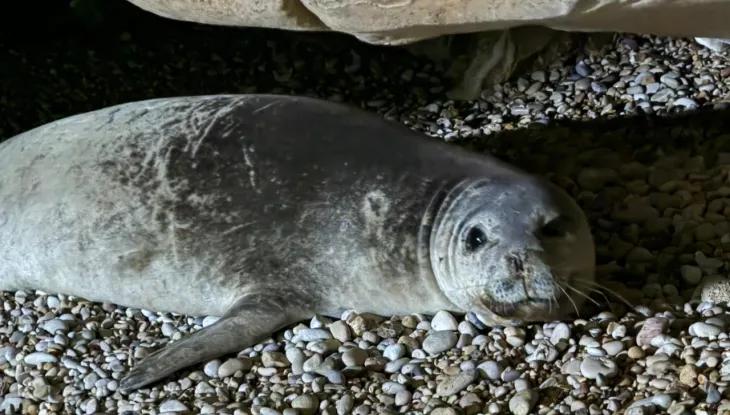
The cave offers a rare sanctuary for the Mediterranean monk seal. Inside, a dry, sheltered beach provides a quiet haven where the seals can rest and sleep, safely removed from the open sea. Unlike most marine animals, monk seals cannot sleep in the water, they need a secure, secluded space, far from human interference.
For centuries, these gentle creatures have faced relentless hunting across the Mediterranean, pushing them into hidden coastal caves like this one. Here, mother seals can guide their pups, teaching them to swim and hunt in the safety of the cave’s calm seawater. It is this delicate balance of shelter and sea that makes the cave a critical refuge for one of Lebanon’s rarest and most vulnerable species.
Documenting the Seals and the Rarity of Suitable Caves
Abi Rached said that from 2020 to 2025, the Terre Du Liban Association documented the presence of the Mediterranean monk seal 25 times through videos and photos shared on social media.
These sightings were not only in Amchit but also on some Lebanese beaches, especially in the Raouche area, which also has sea caves.
Amchit Cave stands out not just for its striking natural beauty, but for its rare suitability as a home for Mediterranean monk seals. While some proposed relocating the seals to protected islands near Tripoli, experts quickly pointed out a crucial flaw: those caves lack the dry beaches that seals need to rest and reproduce.
Not every sea cave can meet the delicate needs of this endangered species, which makes Amchit Cave one of the most vital habitats for their survival in Lebanon.
Threats to the Mediterranean Monk Seal
The Mediterranean monk seal is one of the most endangered marine mammals in the world. The greatest threat to the Mediterranean monk seal is the loss of the natural habitats it relies on to breed and raise its pups.
Abi Rached explained that these habitats are lost due to tourism, urban development, infrastructure, roads, landfills, and coastal resorts and villas. The current villa project above the cave in Amchit is a clear example of this threat.
Monk seals are shy and fear humans, especially during breeding. Human activity or constant noise nearby can force them to leave permanently.
In Amchit, the very rocks that shape the cave can work against the seals: their surfaces amplify vibrations and noise, making the cave less safe for resting and raising pups.
But habitat challenges aren’t the only danger. Marine pollution and speeding boats pose constant risks, threatening the seals’ lives. Even so, the greatest peril remains the disappearance of the quiet, protected spaces these rare animals need to survive and reproduce.
Legal Status and Coastal Protection
Construction over coastal caves isn’t just a local issue; it directly threatens fragile ecosystems. Over the past decades, Lebanon has lost nearly 80% of its scenic coastline to unplanned urban development, landfills, and buildings creeping toward the shore.
Lebanese law does provide tools to safeguard these areas. Environment Protection Law No. 444 (2002) and the 2012 decree on Environmental Impact Assessment require thorough environmental studies before any project begins in sensitive habitats or areas home to endangered species.
Beyond national legislation, Lebanon has also signed the Barcelona Convention and its protocols on coastal zones and biodiversity, creating an international framework to protect both its shores and the rare animals that depend on them.
Direct Danger of Construction Above the Cave
Abi Rached warns that digging near the cave, the heavy weight of buildings, and the rumble of future traffic could all threaten its fragile structure. If the cave is damaged or collapses, the seals may abandon it completely, losing one of their most vital refuges in Lebanon.
Environmental Groups Call for Protection
In response, environmental groups, representing 21 organizations, unions, and research centers, have called for an immediate halt to construction, a comprehensive environmental impact study, and the declaration of the Amchit Seal Cave and surrounding area as a protected nature reserve.
Activists say the clock is ticking, and the responsibility now rests with Lebanon’s authorities: the municipality, the ministries of Environment and Agriculture, and the judiciary. Safeguarding this rare natural site is essential to preserve one of the last refuges of the Mediterranean monk seal along the country’s coastline.