




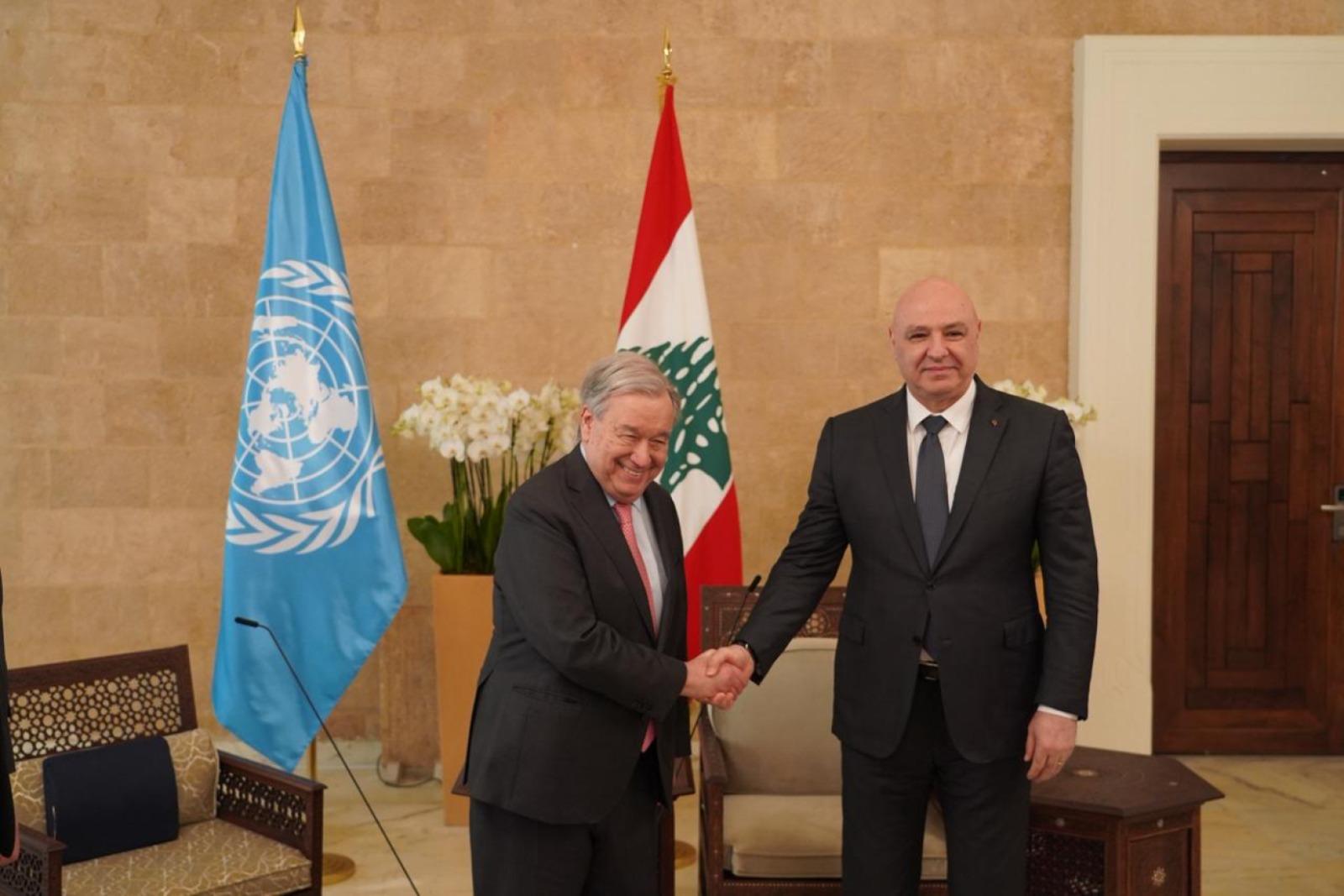
LEBANON – The UN chief António Guterres called for an immediate ceasefire and renewed peace efforts in Lebanon during remarks following his meeting with Lebanese President Joseph Aoun in Beirut on Thursday.
Speaking after the meeting, Guterres said he came to the country “as a friend of the Lebanese people,” expressing solidarity with citizens enduring difficult conditions.
He noted that many Lebanese are currently observing the religious seasons of Ramadan and Lent, which he described as times that should reflect peace and unity.
The UN chief said Lebanon had been drawn into a conflict that its people did not seek, stressing the urgent need to end hostilities.
Guterres expressed hope that on his next visit he would find a peaceful Lebanon where the state has full authority over the use of force and where the country’s sovereignty and territorial integrity are fully respected.
“This is no longer the time of armed groups,” he said. “This is the time of strong states.”
Humanitarian Impact and Flash Appeal
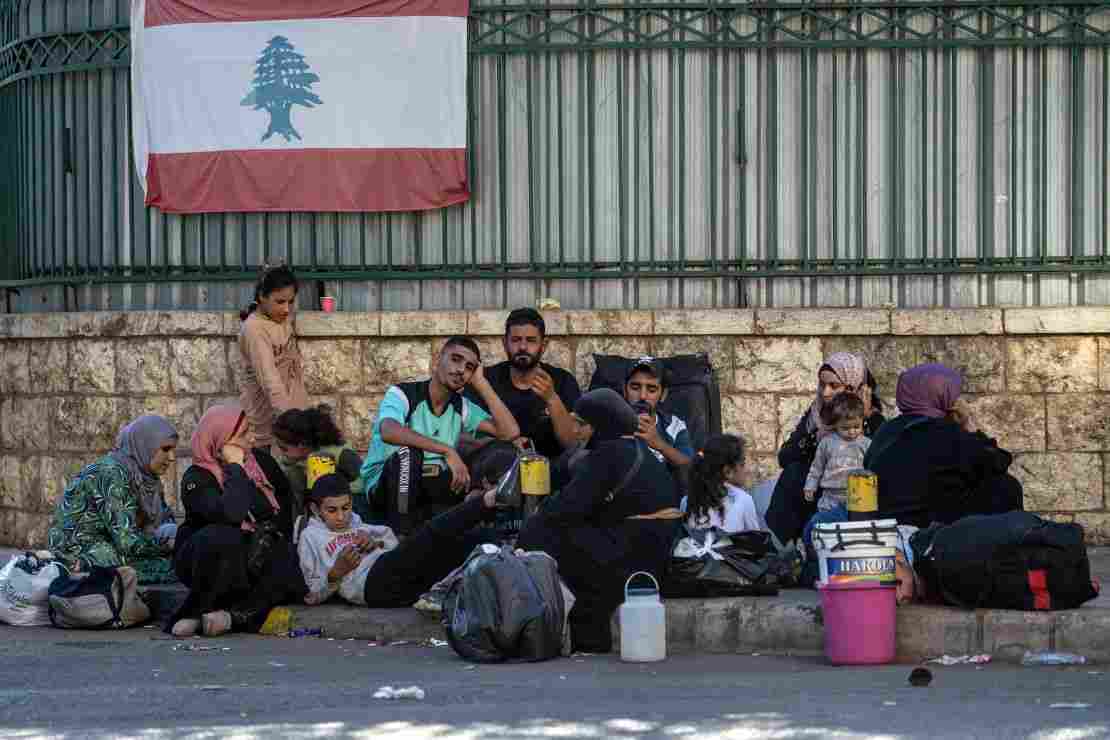
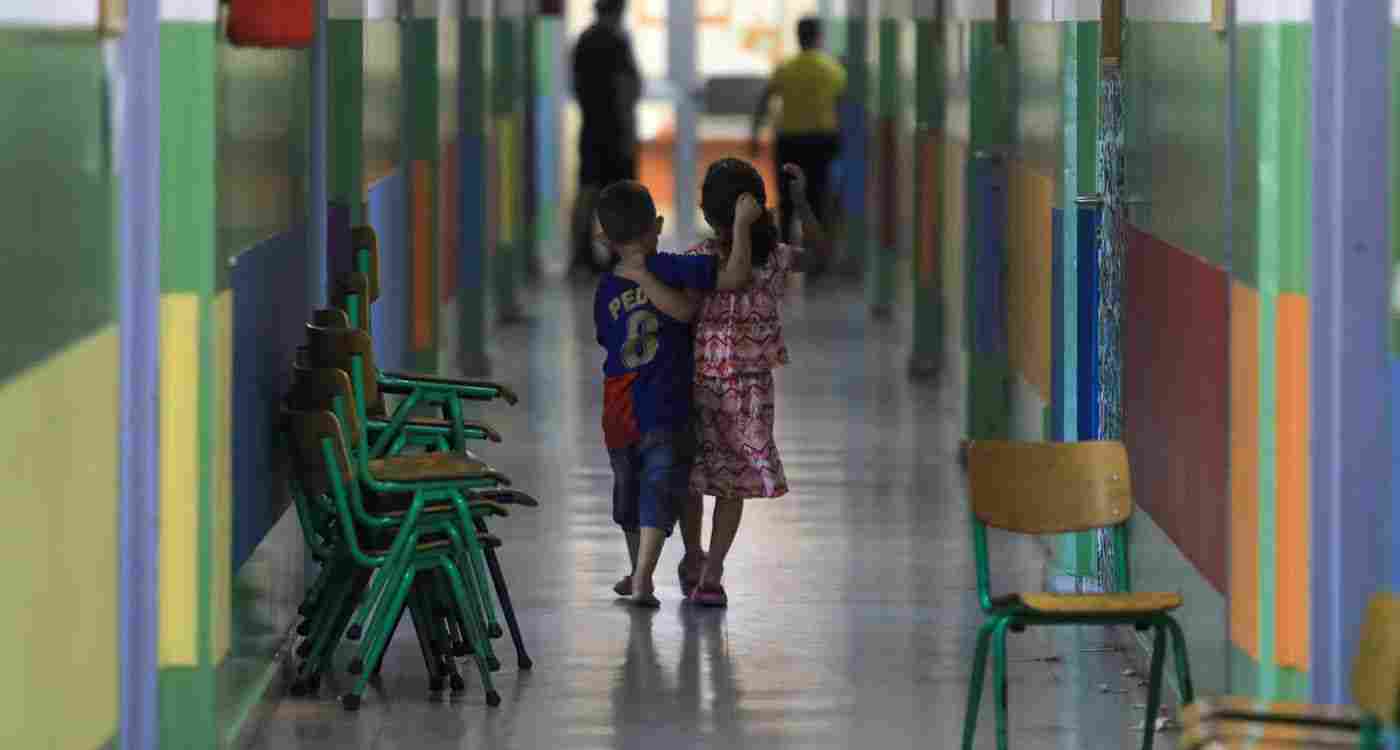
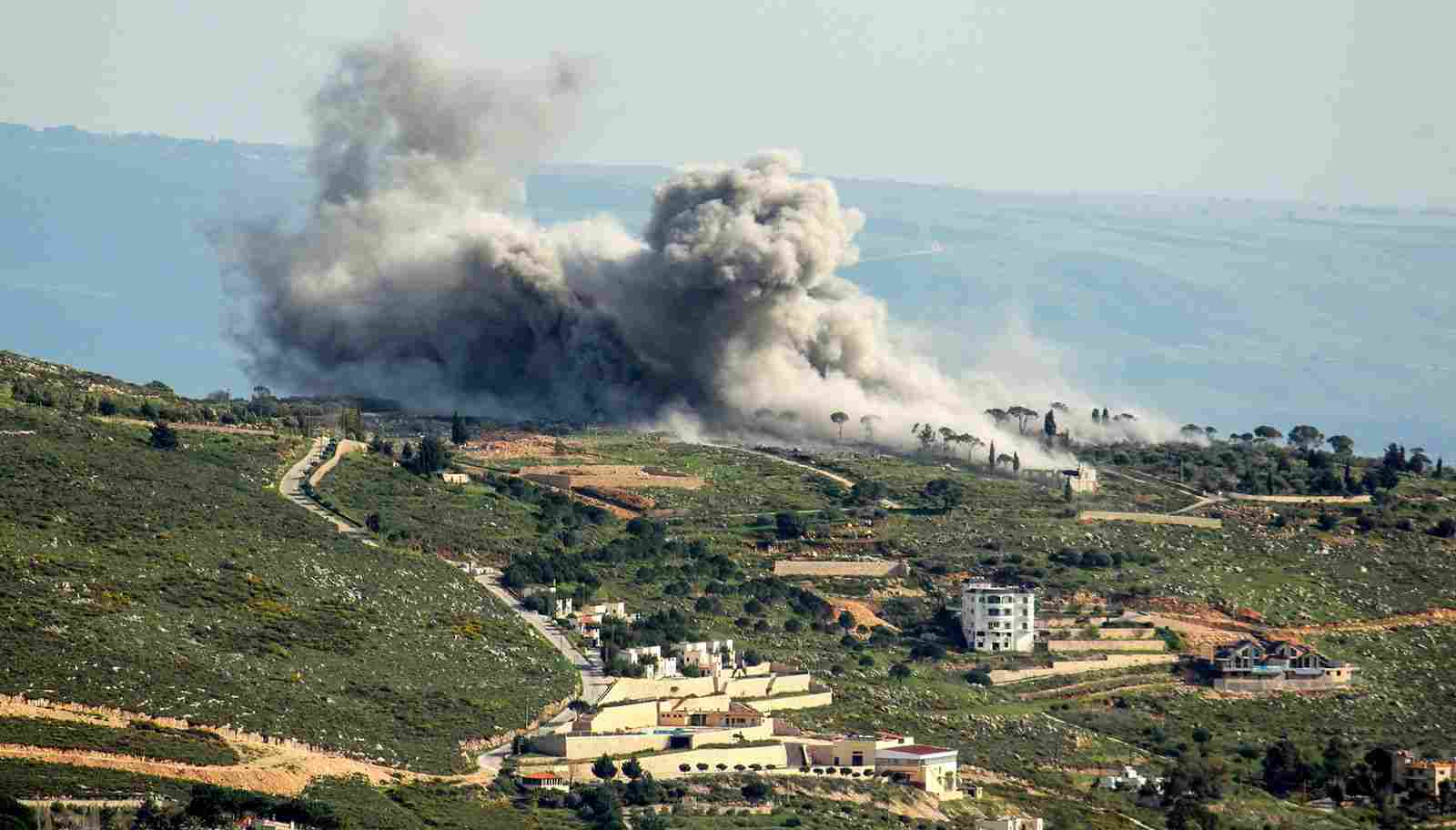
As the UN Secretary-General stressed, the humanitarian impact of the current escalation is devastating. Communities across affected governorates are enduring repeated displacement, loss of livelihoods, and disruption of essential services. Violence has struck schools, healthcare facilities, and homes, deepening the suffering of already vulnerable populations.
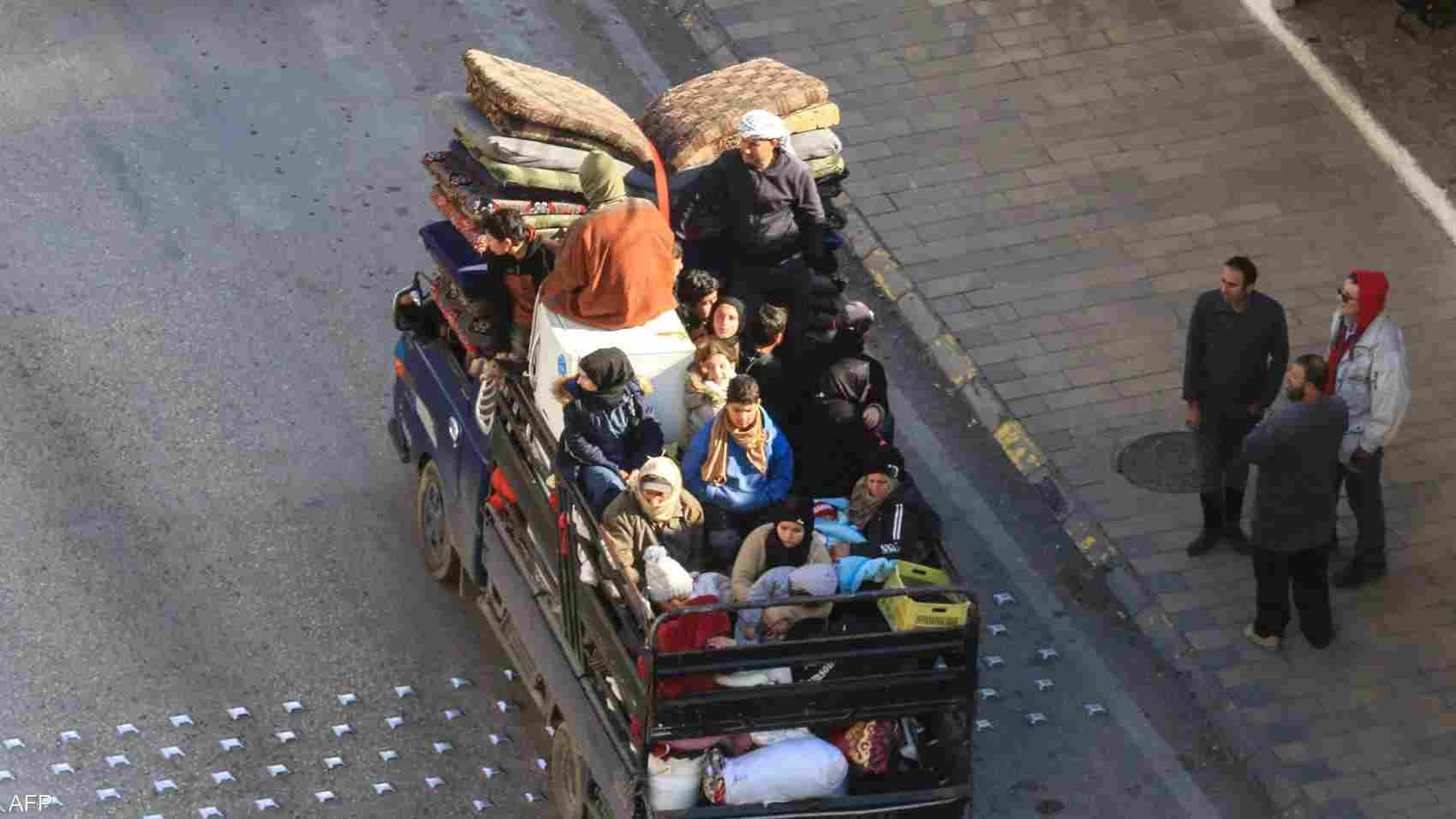
By joint estimates, some 1.3 million people have been affected. Of these, up to 1 million have been displaced within Lebanon, and nearly 100,000 have crossed into Syria. These figures underscore both the scale of the crisis and its regional dimension.
As Minister of Social Affairs Haneen Al-Sayyid outlined on behalf of the Government, national institutions are leading the emergency response. The role of humanitarian partners is to complement their leadership with resources, expertise, and solidarity from the international community.
The Flash Appeal launched by the UN sets out funding requirements and operational priorities needed to address the most urgent humanitarian needs of one million people over the next three months. Humanitarian partners are requesting $308.3 million in financing to deliver life-saving and life-sustaining assistance. Without this support, the response cannot scale up to meet growing needs.
The collective response focuses on three strategic priorities:
Providing timely, life-saving, multi-sectoral assistance to affected families in shelters, host communities, and conflict-affected areas.
Promoting the protection of civilians and civilian infrastructure, grounded in international humanitarian and human rights law. Civilians and civilian infrastructure must never be targets.
Supporting rapid delivery and resumption of essential services in impacted areas, ensuring basic systems continue to function despite the crisis.
Throughout, the response emphasizes inclusivity, supporting host communities alongside displaced families and those in hard-to-reach areas to address the needs of the most vulnerable and mitigate tensions.
Guterres stressed that humanitarian access must be safe, predictable, and unimpeded. Access is not a privilege but a necessity. Without it, assistance cannot reach displaced populations, especially in hard-to-reach areas where needs are most acute.
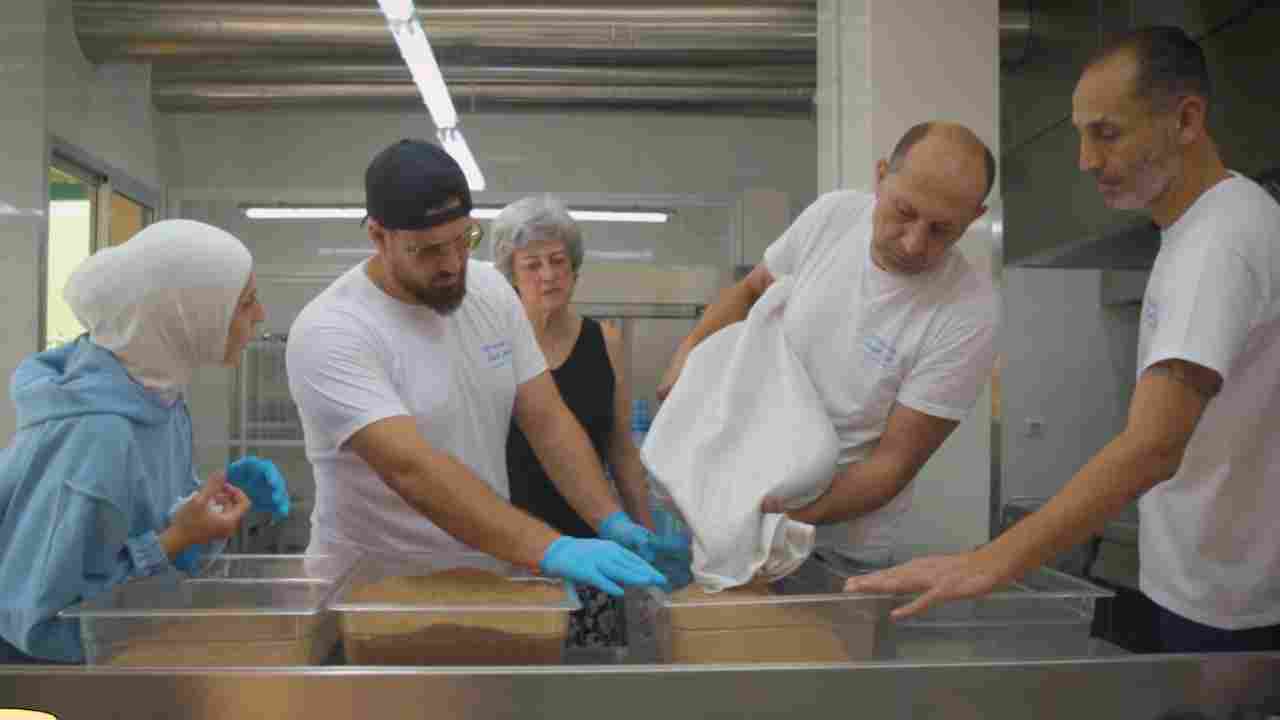
Local organizations and national partners are central to this effort, acting as first responders and trusted actors within communities. Strengthening localization is a cornerstone of the collective response, enabling rapid assistance where it is needed most.
The Flash Appeal is launched in an already constrained funding environment. Initial emergency allocations from the Lebanon Humanitarian Fund and the Central Emergency Response Fund are helping to kick-start the response, but significantly more funding is urgently required.
Guterres concluded by urging the international community to respond generously and swiftly:
"Together, we can save lives, protect civilians, and help Lebanon’s communities endure this crisis with resilience and dignity. Thank you."
The UN Secretary-General’s visit to Beirut on March 13 is part of ongoing international efforts to ease tensions and encourage stability in Lebanon.