




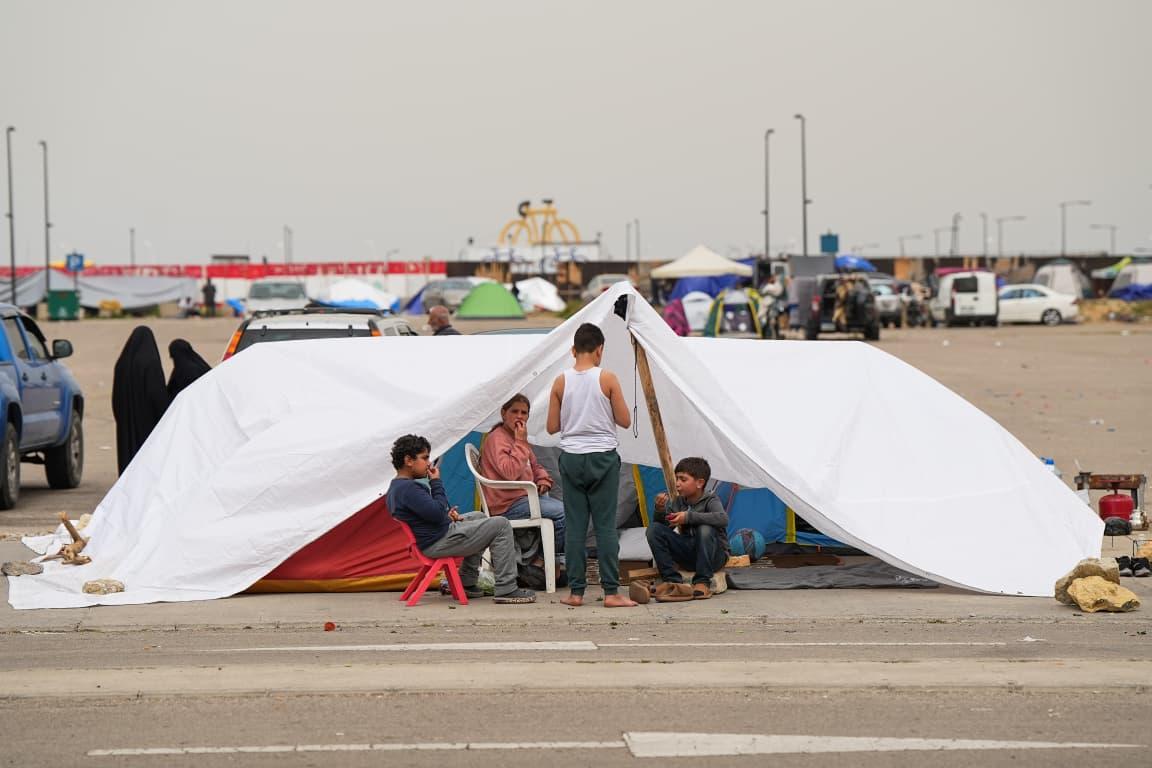
LEBANON – Amid ongoing security escalations since early March 2026, Lebanon is facing a worsening humanitarian crisis, with nearly one million people displaced from their homes into shelters that often lack even the most basic standards of decent living.
Fadi Hashem, a lawyer and human rights researcher, told Enmaeya that “forcing individuals to leave their homes and live in shelters fundamentally contradicts human rights,” noting that these centers, by their very nature, serve as emergency solutions that cannot be considered safe or sustainable living environments.
Limited Capacity and Multi-Dimensional Crisis
Lebanon, already grappling with a severe economic crisis, is unable to cope with this scale of displacement, which has exacerbated conditions in shelters.
Significant challenges have emerged regarding access to food, education, and healthcare, alongside increasing risks of physical and psychological violence, particularly affecting children and other vulnerable groups.
Hashem notes that the Lebanese state lacks the capacity to fully monitor all shelters, particularly those operated by volunteer groups or municipalities that have converted abandoned buildings to house displaced people. This fragmented oversight makes it difficult to gain a clear, comprehensive picture of conditions across all shelters.
Overcrowding and Lack of Privacy
“As in previous crises, schools have become makeshift shelters,” Hashem said, describing classrooms where multiple families cram together, with little access to proper sleep, hygiene, or basic care for children. He called the conditions “dire,” warning that diseases are spreading while hospitals, already stretched thin by the economic crisis, struggle to keep up.
Women Facing a Compounded Crisis
Women are among the hardest hit, often facing a lack of privacy and essential reproductive health services, including menstrual hygiene supplies. Overcrowded shelters with inadequate sanitary facilities leave them vulnerable to gender-based violence and limit their freedom of movement.
According to UNFPA, some families have received aid, but many women have had to leave shelters to give birth. Civil society groups are stepping in to offer mobile health services and psychosocial support, particularly for pregnant women.
Hashem warns that during crises, gender-based violence -harassment, assault, and exploitation- rises sharply in environments that lack basic protection and privacy.
Children: The Most Vulnerable Group
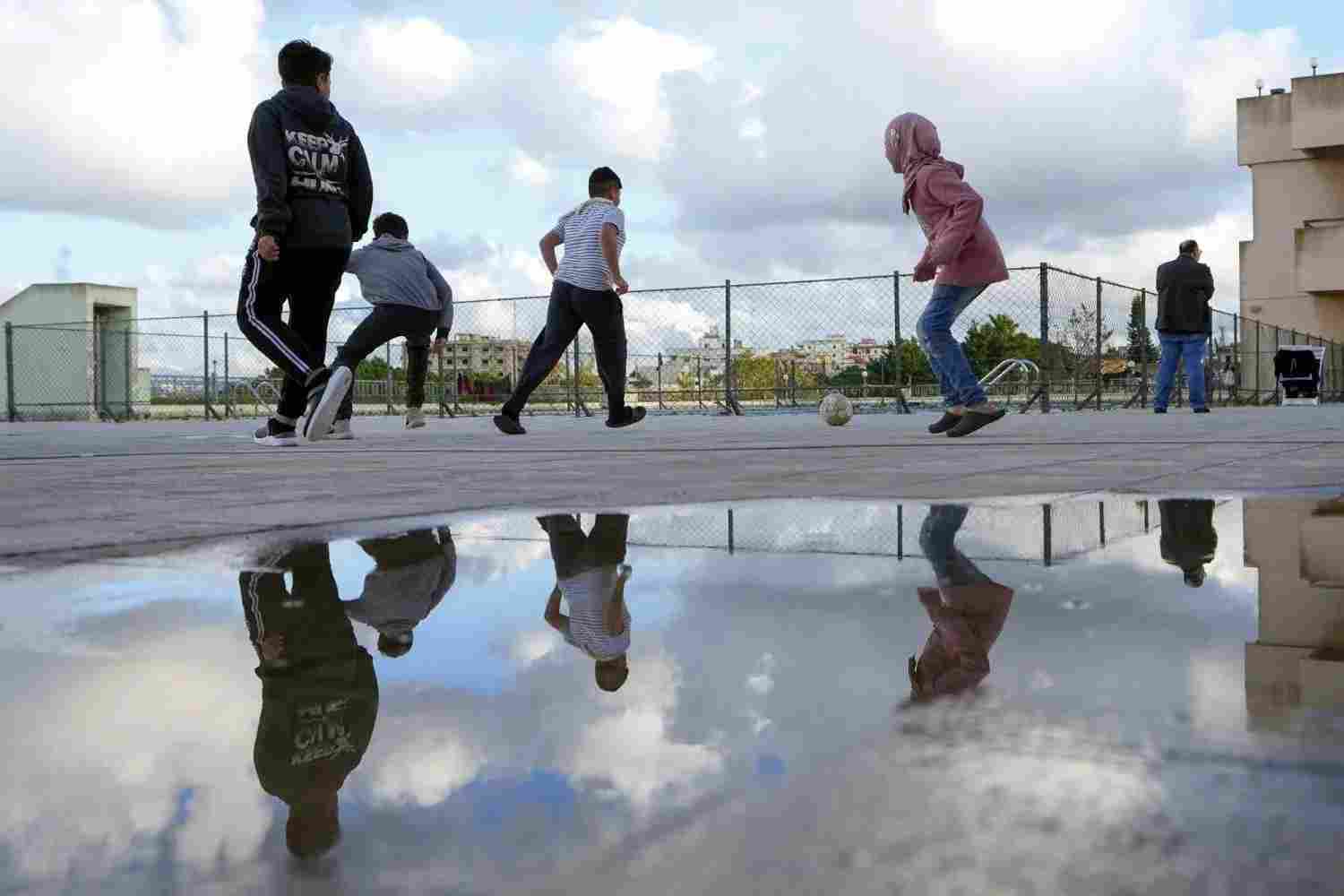
Children, many still recovering from the trauma of the 2024 war, are now facing another crisis. An estimated 300 schools are being used as shelters, leaving more than 100,000 children without access to education.
A 2025 assessment found that 72% of children experience anxiety and stress from the war, while 62% show signs of sadness or depression. Unsafe living conditions add further emotional and psychological pressure, compounding the challenges they already face.
Inadequate Humanitarian Response
“The response is about trying to close gaps where we can,” Hashem said, noting that the Ministry of Social Affairs supports this approach. But with limited state capacity, these efforts fall short, leaving many vulnerable families without adequate support.
Hashem emphasizes the urgent need for action, including:
Reducing overcrowding by opening additional shelter spaces.
Expanding cash support programs to allow families to rent alternative housing or stay with relatives.
Improving shelter infrastructure, including toilets, bathing areas, lighting, and waste management.
Creating separate and safe facilities for women and girls.
Strengthening protection mechanisms with social workers and clear complaint systems.
Expanding mobile health services and ensuring access to essential medicines, especially for chronic illnesses.
Providing psychosocial support and vaccination programs.
Protecting children’s right to education through temporary or remote learning alternatives.
Hashem warned that without a swift, comprehensive response, violations will continue to rise, worsening the humanitarian crisis.
He emphasized that improving shelter conditions cannot be separated from addressing the root causes of the conflict. Overcoming this critical stage, he said, requires immediate, coordinated action from the state, civil society, political parties, and religious institutions, before the situation spirals further out of control.