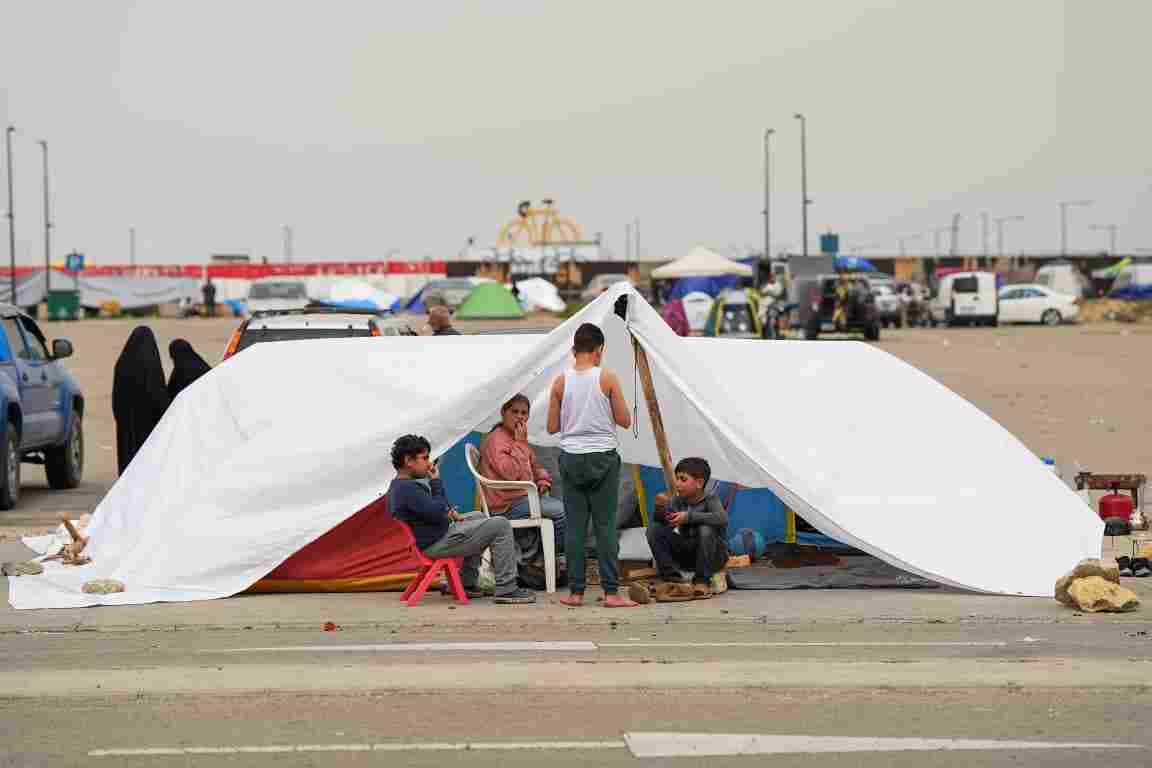





LEBANON – Amid the ongoing war in Lebanon, the humanitarian crisis is worsening rapidly, with increasing numbers of displaced people forced to leave their homes in search of safety.
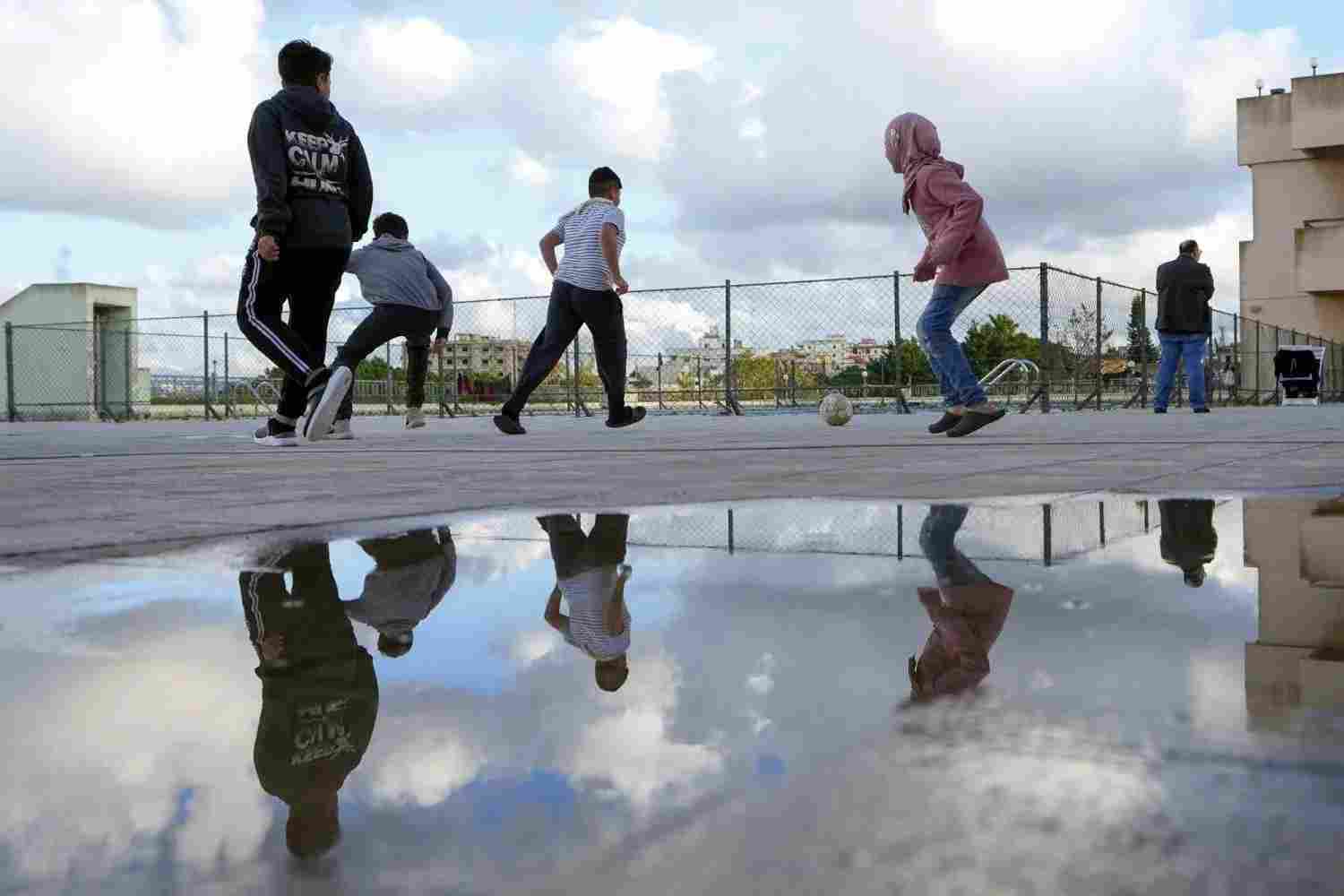
According to the latest data from the Disaster Risk Management Unit, over 134,000 people are staying in collective shelters across hundreds of centers in different regions, highlighting the immense pressure on infrastructure and essential services.
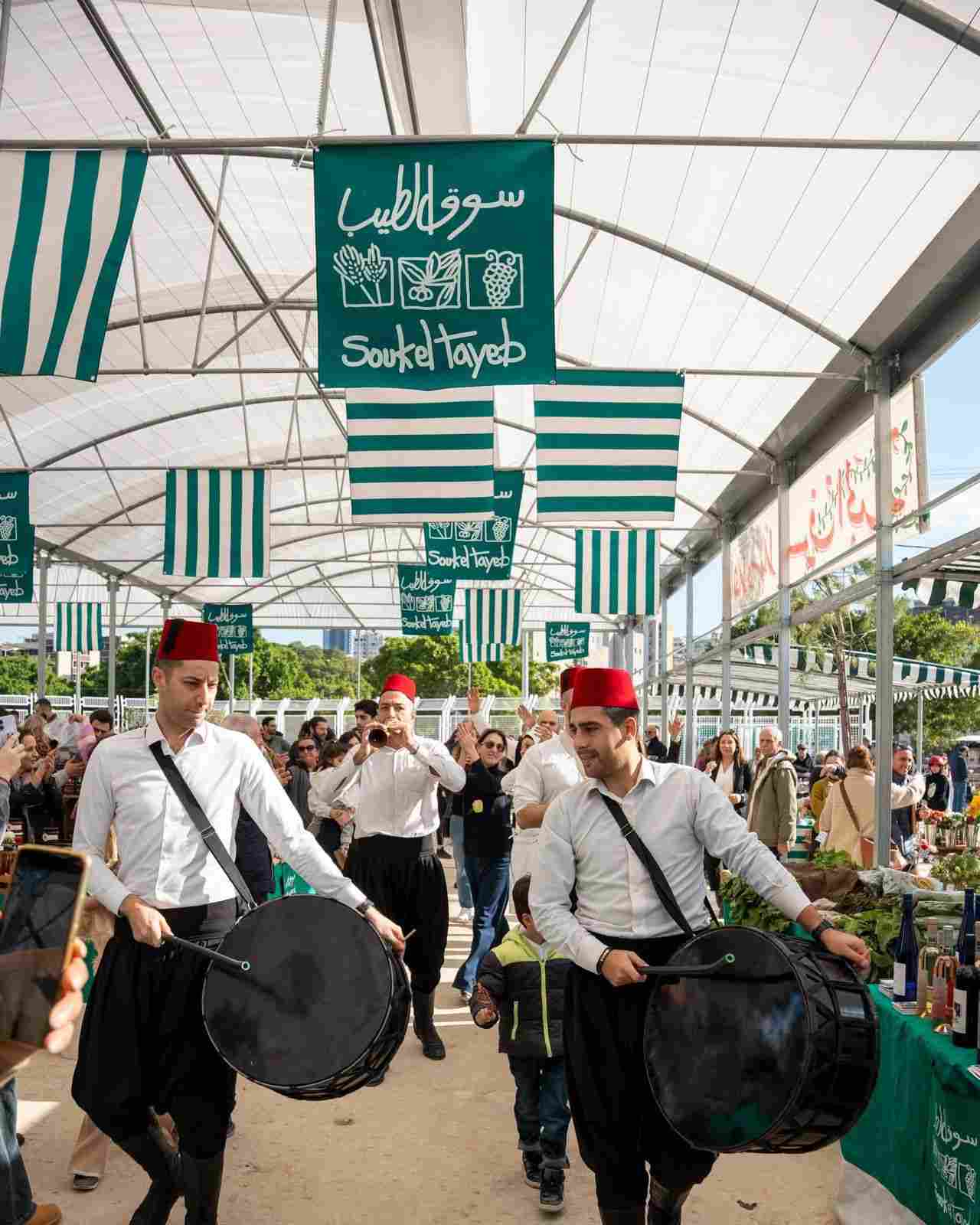
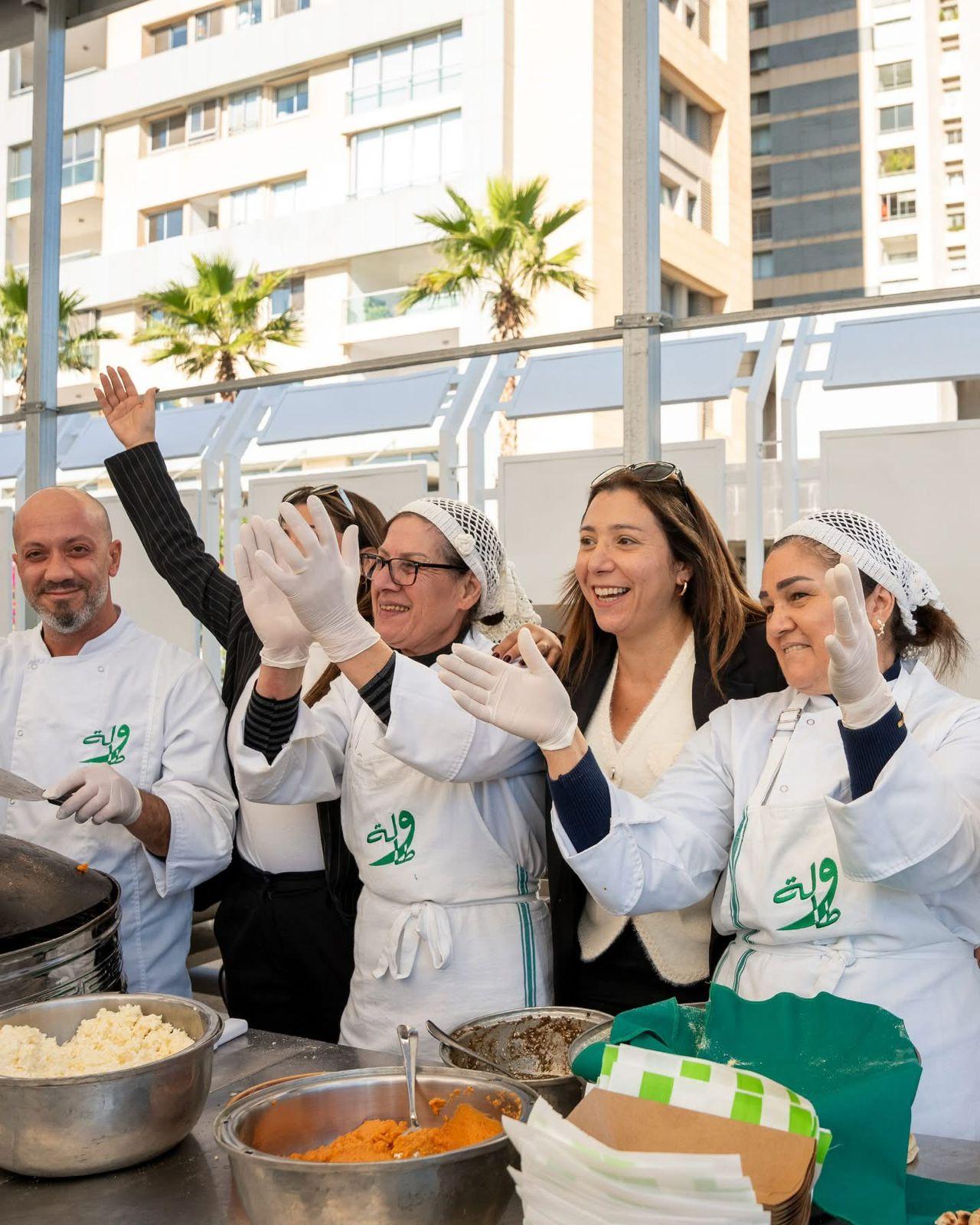
Amid the growing humanitarian challenges in Lebanon, Matbakh El Kel, part of the Souk Al-Tayeb initiative, continues its relief work by providing daily meals to the most vulnerable displaced people.
“Matbakh El Kel”: An Initiative Born from Crisis
In a special interview with Enmaeya, Jana Mezher, Marketing and Coordination Manager at Souk Al-Tayeb, explains how the initiative started as an emergency response after the Beirut Port explosion in 2020, when Matbakh El Kel was first established at Souk Al-Tayeb’s old location in Mar Mikhael.
She adds that the project continued, especially in 2024, to respond to the effects of the war, expanding its work to northern areas of Lebanon, particularly in the town of Ardeh – Zgharta, where meals were distributed to the most vulnerable.
With the renewed crisis in 2026, Matbakh El Kel moved to a new location at Jisr El Wati in Beirut, where it continues its relief operations intensively.
Partnerships and Ongoing Support
Mezher notes that the main beneficiaries are seven schools and shelters in Beirut, supported in coordination with World Central Kitchen, a key partner and donor in the initiative.
The project also receives support from GIZ as a donor, and the Lebanese Food Bank helps with distribution. Transportation is provided to deliver meals at different times during the day, ensuring that food reaches beneficiaries hot.
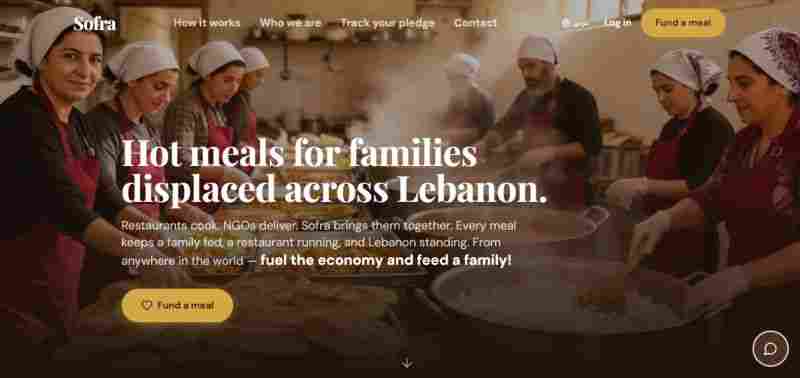
Matbakh El Kel produces about 3,400 meals daily, ensuring that the food is healthy and based on traditional Lebanese cuisine, following high food safety standards and drawing on previous experience in cooking and restaurant management.
Volunteers and Sustainability
Mezher emphasizes that while there are many volunteers, more are still needed, especially to help with cooking, packaging, and distributing meals.
From a financial perspective, she notes that the cost of a single meal has increased from $2 to $2.5 due to rising operational costs, creating an additional challenge given the heavy reliance on donations.
She concludes by stressing that securing funding remains the main challenge: more donations mean more people can be helped. She expresses her gratitude to all supporters and volunteers who form a crucial backbone for the initiative.
Despite these growing challenges, Matbakh El Kel under Souk Al-Tayeb shows that solidarity can make a real difference in people’s lives, even in the hardest circumstances.