




LEBANON - As conflict intensifies across Lebanon in March 2026, the country is facing not only a security crisis but a rapidly escalating public health emergency linked to water, sanitation, and hygiene (WASH).
The war has displaced hundreds of thousands in a matter of days, straining shelters and putting significant pressure on Lebanon’s delicate health system.
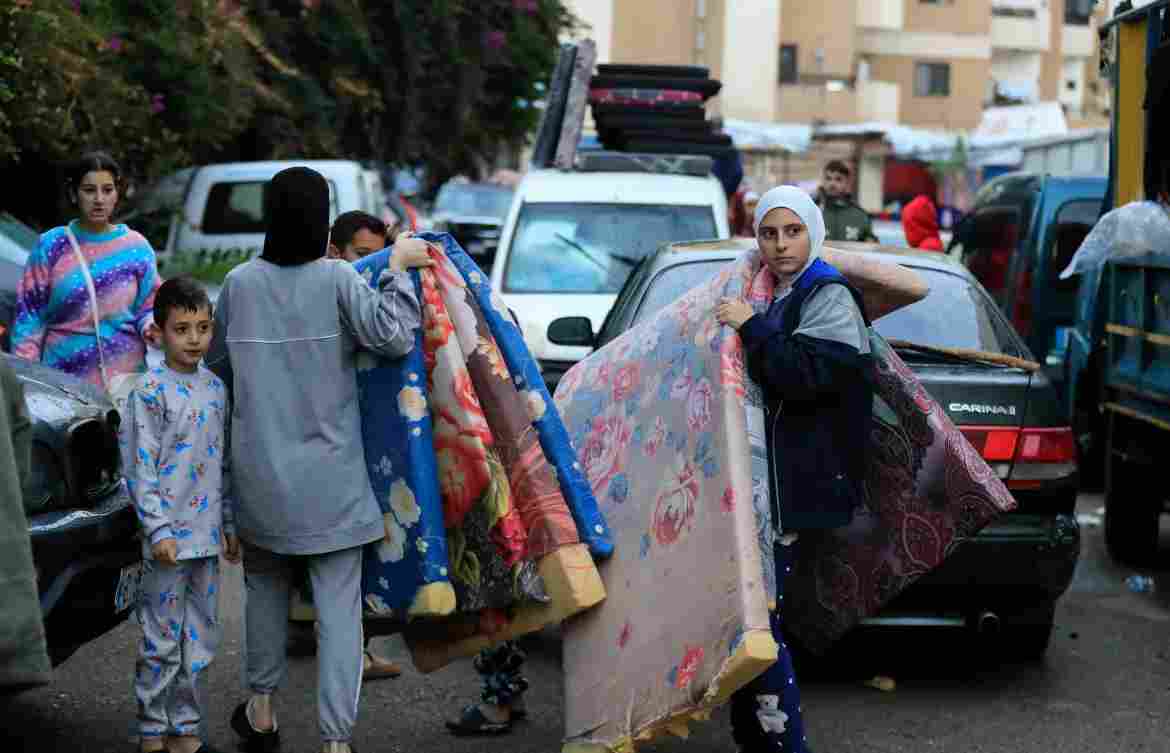
Over one million people have been displaced, with many families leaving quickly in response to evacuation warnings and bombardment in southern Lebanon, Beirut’s southern suburbs, and parts of the Bekaa Valley.
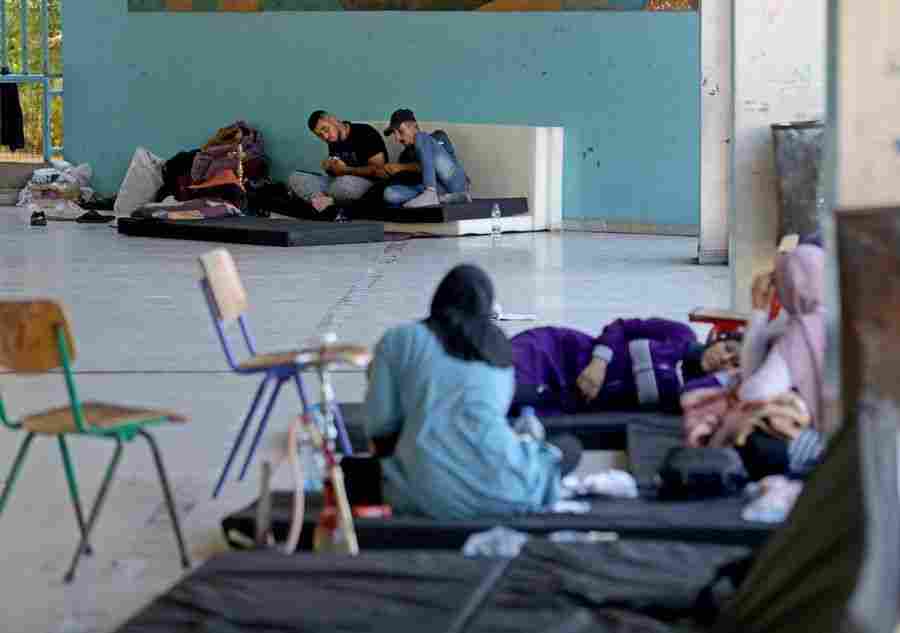
Shelters Strained as Displacement Increases
Lebanon’s Disaster Risk Management (DRM) unit reports that approximately 132,742 displaced individuals are currently residing in collective shelters, including many schools repurposed for emergency housing.
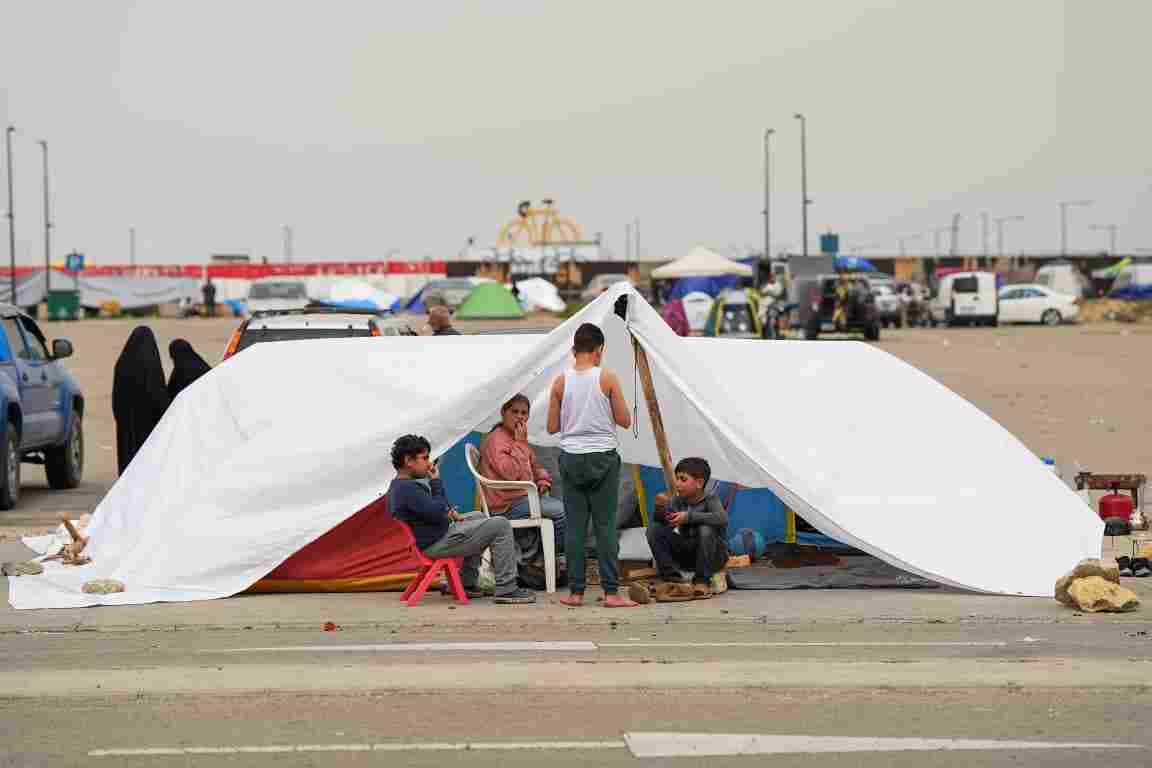
Families are currently in 622 shelters across the country, while many others find refuge with relatives, in rented apartments, cars, or informal locations.
Education has faced significant challenges, as 287 public schools have been converted into displacement shelters, leaving thousands of students outside their classrooms.
Public health experts caution that rapid overcrowding can lead to risky conditions for disease spread.
WASH Conditions Increasing Disease Risks
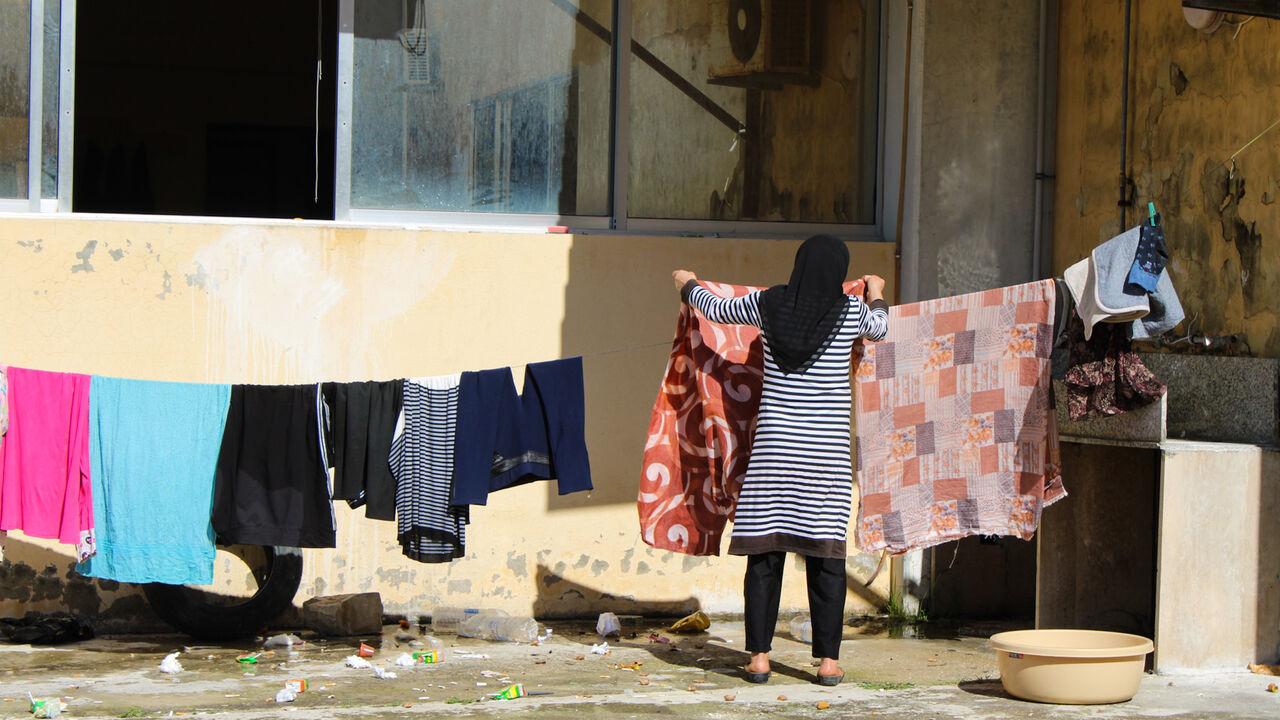
In humanitarian crises, access to safe water and sanitation is one of the most critical public health protections. Yet in displacement shelters across Lebanon, WASH conditions are already showing signs of strain.
During recent field visits to shelters hosting displaced families, WHO teams reported that sanitation infrastructure, particularly toilets, was insufficient for the number of residents, raising concerns about hygiene and disease transmission.
One shelter assessed by humanitarian teams hosted nearly 2,600 displaced individuals, far exceeding the capacity of typical school facilities. In crowded environments like these, infectious diseases can spread rapidly.
Public health experts warn that acute diarrheal diseases, respiratory infections, skin infections, and lice infestations often increase in displacement settings where sanitation systems are overwhelmed.
The risk is compounded by interruptions to routine healthcare services, including vaccination and chronic disease management.
Women and Girls Facing Heightened Health Risks
Displacement shelters often lack the infrastructure needed to ensure privacy and safe sanitation for women and girls.
Humanitarian reports highlight that overcrowded shelters and limited private facilities increase risks of gender-based violence and health complications, particularly for pregnant women and adolescent girls.
To address these needs, humanitarian agencies are distributing dignity kits and maternal health supplies while deploying mobile health teams to shelters.
Emergency programs are also being launched to reach at least 3,000 displaced girls with protection and health information sessions in early March.
These services aim to help girls navigate safety risks and access essential reproductive health support during displacement.
Children Bearing the Burdens
Children are among the most affected by the unfolding crisis. Within just the first days of the escalation, seven children were killed and 38 were injured, according to health authorities.
Displacement disrupts education, nutrition, vaccination, and mental health support for hundreds of thousands of children.
In response, UNICEF-supported mobile health units have expanded to 37 primary healthcare satellite teams providing consultations, immunization services, and emergency care to displaced families.
These mobile units are critical in preventing outbreaks and ensuring children receive life-saving health services even when clinics are inaccessible.
Preventing a Public Health Emergency
Humanitarian organizations caution that fast investment in WASH and health services is crucial to prevent a secondary wave of preventable disease outbreaks in Lebanon’s displacement crisis.
Emergency responders have identified water supply, sanitation infrastructure, hygiene kits, and medical services as critical needs.
For the many families currently in temporary shelters, access to safe water and sanitation is essential for survival, not just comfort.