




LEBANON - As the world marks World Tuberculosis Day, Lebanon is facing a growing public health risk alongside the ongoing conflict.
Tuberculosis (TB) is an airborne infection primarily impacting the lungs, spreading through the coughs or sneezes of an infected individual.
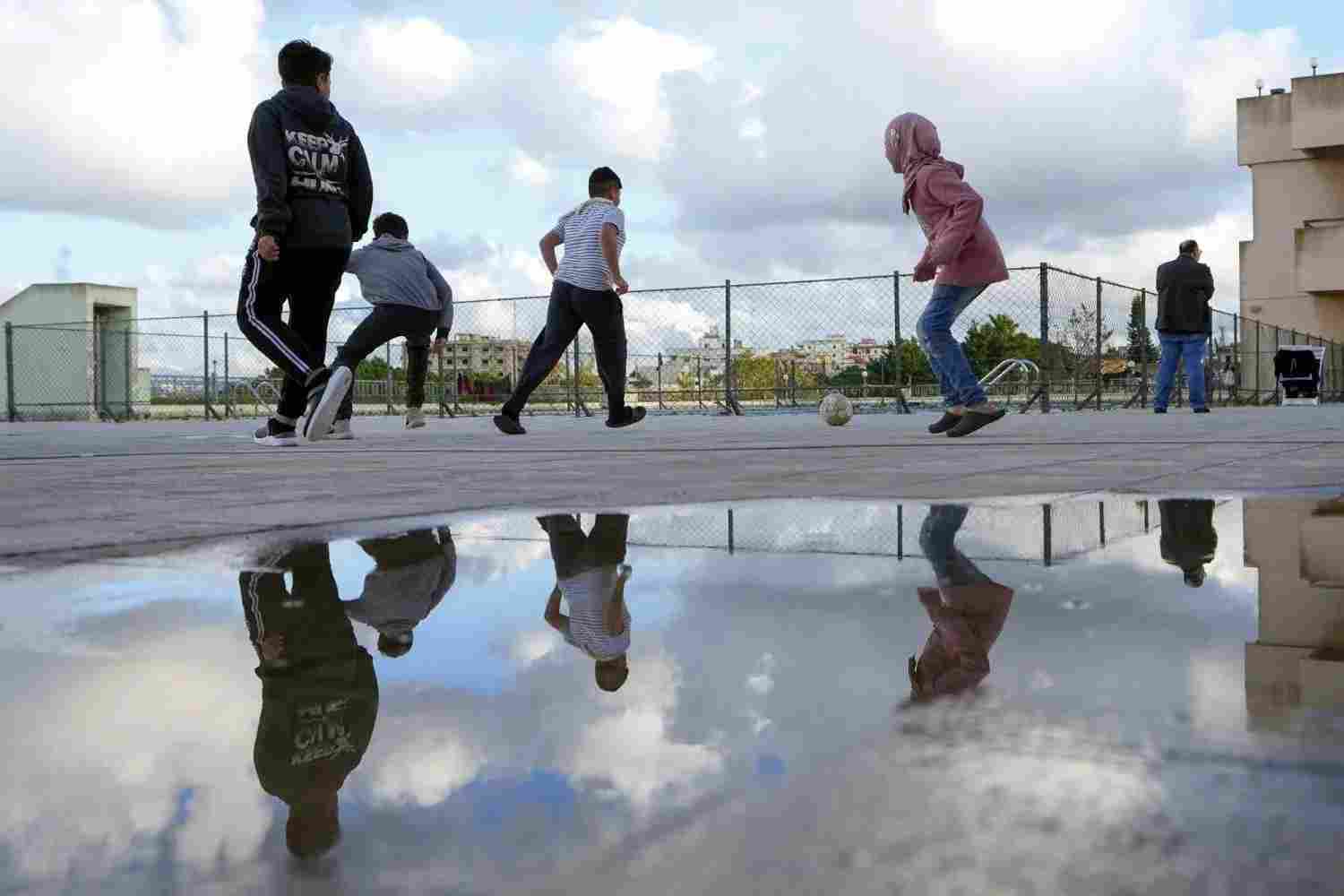
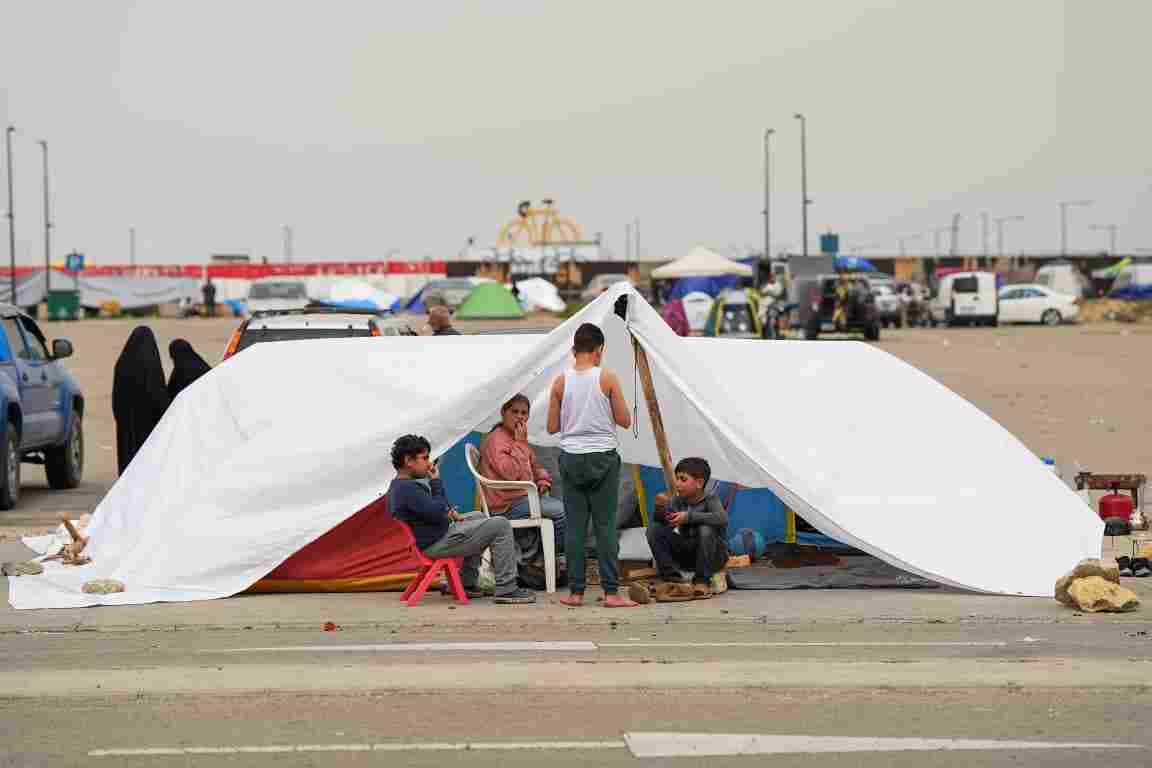
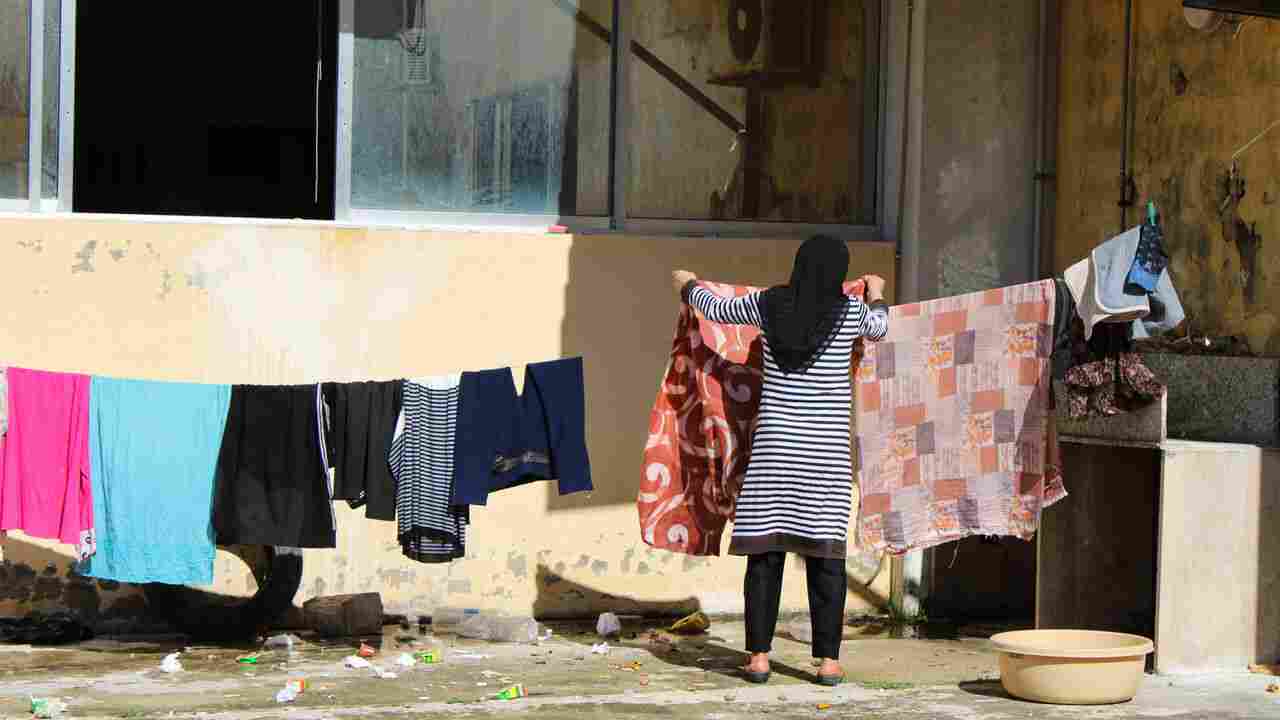
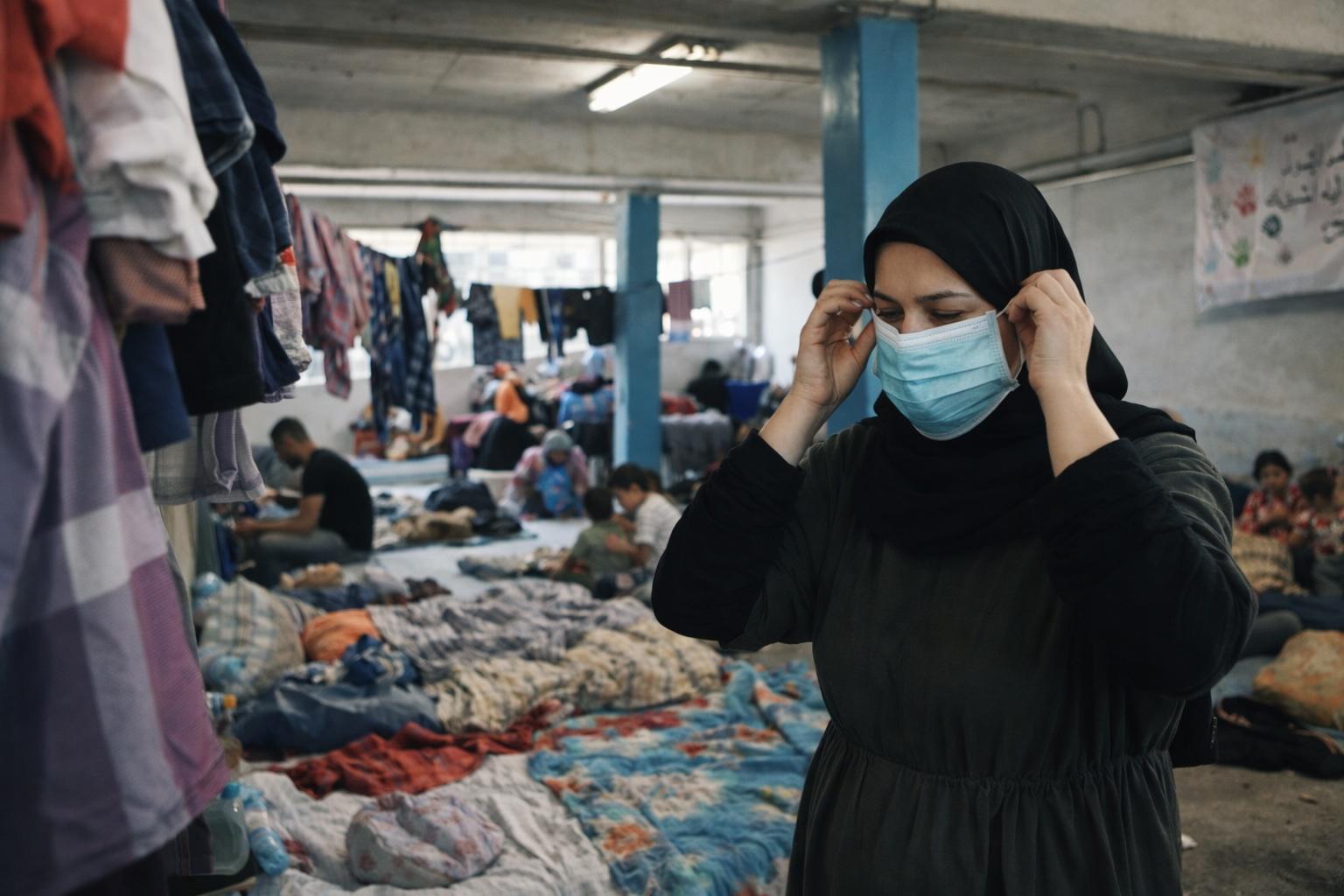
Since early March, over 130,000 internally displaced individuals have sought refuge in shelters throughout Lebanon, raising concerns among health experts about the potential spread of TB in these conditions.
The shared shelters consist of schools, unfinished buildings, and informal sites that are currently overcrowded, lacking proper ventilation, sanitation, and experiencing frequent movement of people. Overcrowding, inadequate nutrition, and disrupted healthcare contribute to a challenging environment.
TB Rates in Lebanon Compared to Regional and Global Levels
Prior to the escalation in March 2026, Lebanon was viewed as a country with a low burden of tuberculosis. The World Health Organization and the Ministry of Public Health report that the country observes about 10–13 TB cases per 100,000 people each year, totaling approximately 700–900 cases annually.
This is significantly less than regional and global averages. In the Eastern Mediterranean region, TB rates average around 112 cases per 100,000 people, with some conflict-affected countries reporting over 150 to 250 cases. The global average is approximately 100 per 100,000, nearly ten times higher than Lebanon's baseline.
However, TB spreads quietly, unlike injuries from war. Infection can linger for months without symptoms, highlighting the importance of early detection, particularly in crowded shelters.
Challenges in Detection and Treatment Amid the Crisis
Despite the crisis, Lebanon’s Ministry of Public Health, with support from WHO, has continued TB services. Screening has expanded in several areas, and so far, no outbreaks have been reported.
The situation remains delicate. Some healthcare centers are closed, access is limited in conflict areas, and there are gaps in reaching people outside shelters. The main risk is not just transmission, but also the possibility of missing cases entirely.
TB treatment requires consistency. Patients need to take medication for several months without interruption. In war settings, this becomes difficult. Displaced people may:
Lose access to testing and follow-up care
Stop treatment midway
Avoid seeking care due to stigma or movement restrictions
This increases the risk of treatment failure and drug-resistant TB, which is harder and more expensive to treat. Globally, TB remains one of the deadliest infectious diseases.
In a fragile setting like Lebanon today, the danger is not necessarily a sudden outbreak, but a slow and unnoticed spread.
This World TB Day, the message is clear: In times of war, TB is not merely a background disease; it poses a significant public health threat.