




WORLD - Plastic is everywhere. It carries groceries, packages products, and is increasingly appearing in unexpected places, including high-end fashion.
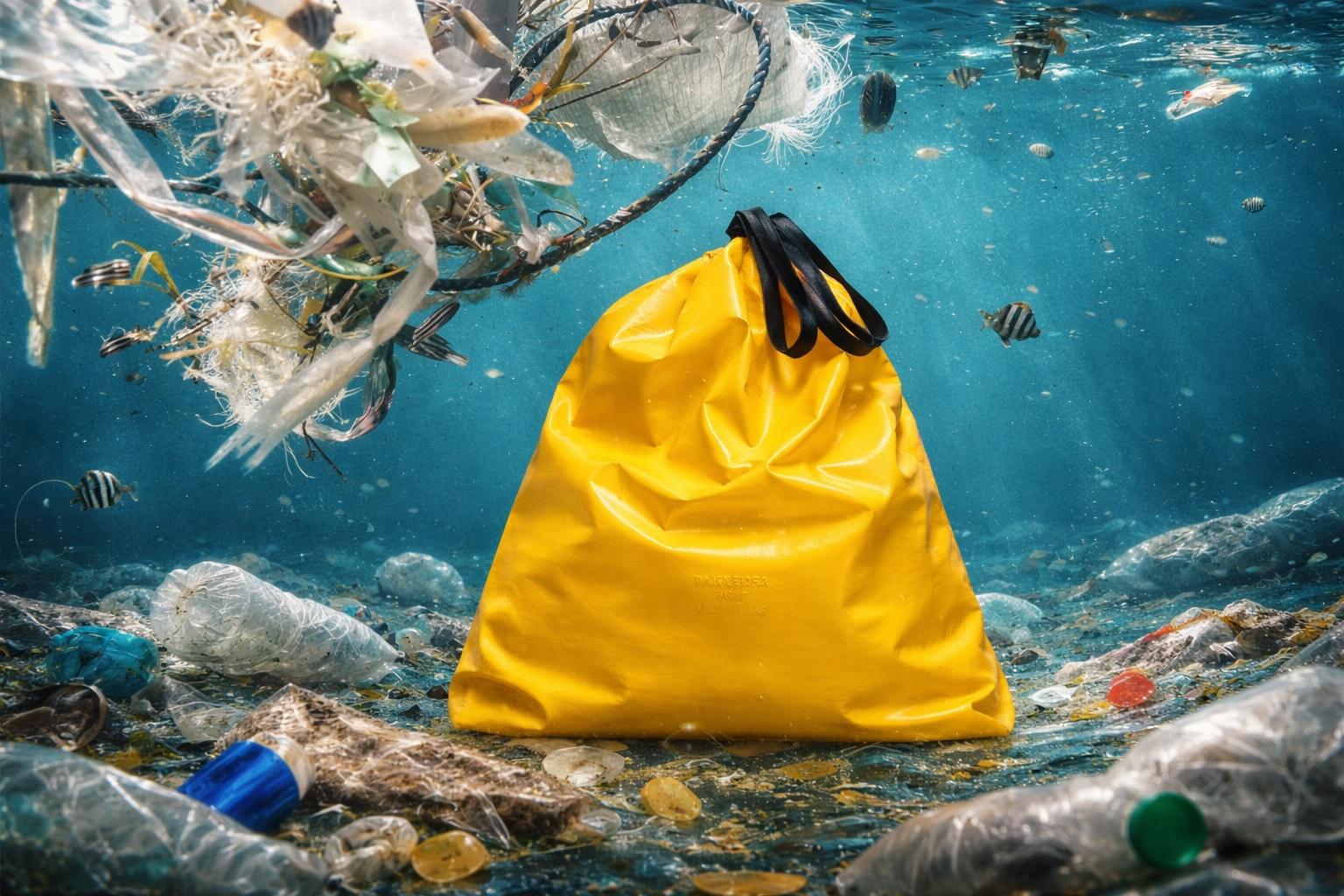
Across the fashion industry, plastic has re-emerged not as waste, but as design, reshaped into accessories, garments, and even luxury items. Recently, the internet buzzed as Balenciaga unveiled a plastic bag–inspired purse retailing for $1,790, reimagining a disposable item as a luxury accessory.
While this may have been positioned as a publicity stunt, it raises broader questions about how materials like plastic are valued, used, and reimagined within modern consumption patterns.
The Rise of Plastic in Fashion
Plastic is now embedded in nearly 70% of global clothing production.
According to a 2024 report by Changing Markets Foundation, the apparel industry generated around 8.3 million tonnes of plastic pollution in 2019, 14% of the total from all sectors.
Widely used materials include synthetic fibers such as polyester, nylon, and acrylic, which dominate the fashion industry. Beyond garments, plastics are also present in labels, threads, buttons, zippers, linings, and faux fur.
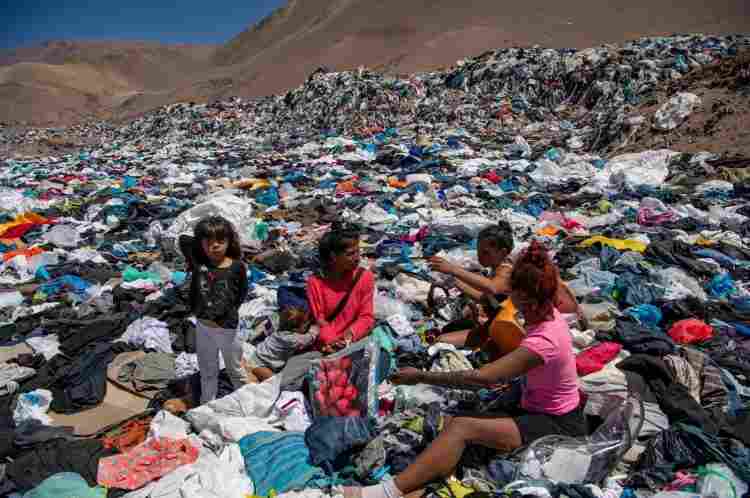
In fast fashion models, built on rapidly producing high volumes of clothing, reliance on plastic is even bigger, with some estimates suggesting that up to 88% of items contain new plastics. This system generates millions of tonnes of plastic waste annually.
Often referred to as “plastic fashion,” this shift contributes significantly to pollution. Synthetic clothing releases microplastics during washing, sending large volumes of plastic fibers into marine environments.
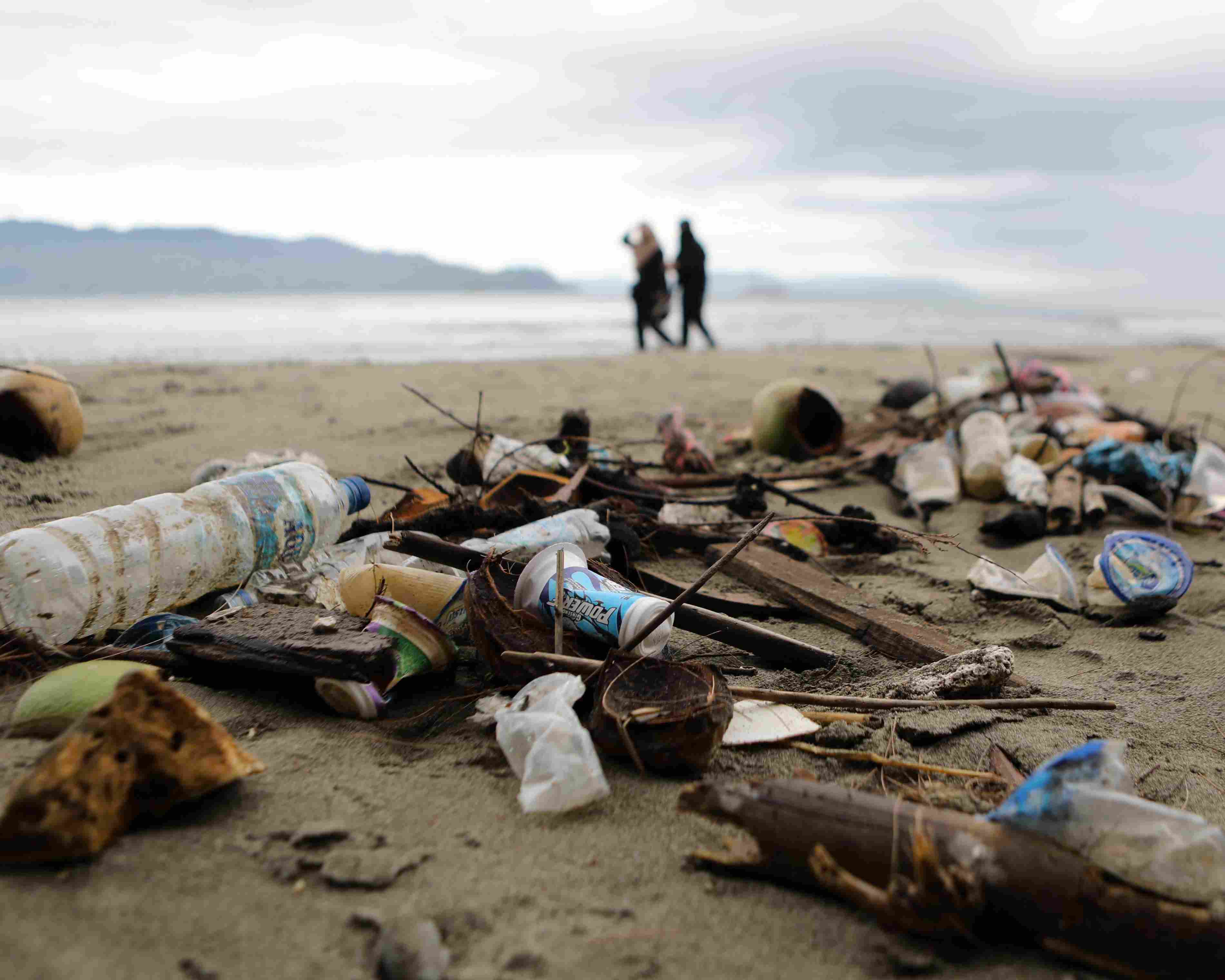
These materials are non-biodegradable and persist in ecosystems for decades, gradually breaking down into smaller particles rather than disappearing.
Environmental and Health Risks
Synthetic clothing releases large amounts of plastic microfibers into wastewater, accounting for an estimated 16–35% of microplastics in the oceans.
When discarded, these materials continue to shed, releasing up to 1.4 million microfibers into the environment over time.
Unlike natural fibers, synthetic textiles do not biodegrade. Instead, they accumulate in oceans, soil, and food chains, where they are difficult to remove and continue to fragment into smaller particles.
These microplastics are not confined to the environment alone. Microplastics have been found in the human liver, kidneys, and the brain. They are ingested through food and air, and chemicals in these plastics can cause inflammation and other health issues.
Research suggests that exposure may be linked to inflammation and other biological stress responses, as microplastics can enter the body through food, water, and air. Some studies also raise concerns about their potential role in respiratory and metabolic disorders, although long-term health effects remain under investigation.
Despite risks, the use of synthetic fibers continues to grow driven by low production costs, and many brands are increasing their reliance on synthetic fibers according to Changing Markets.
Economic Loss of Plastic Waste
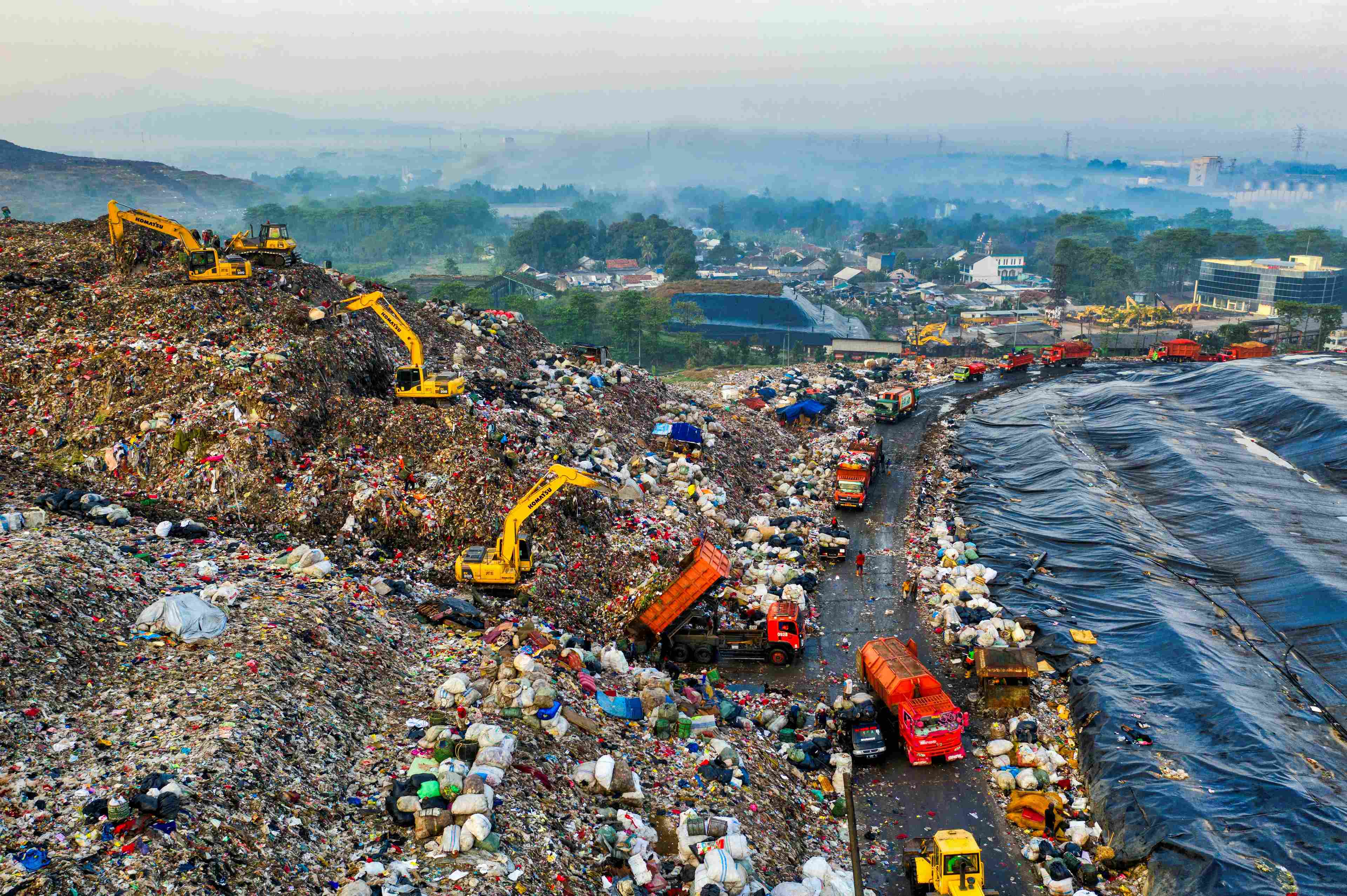
Plastic may be cheap to produce, but it is costly to manage once it becomes waste.
According to the World Bank, marine plastic pollution imposes annual costs equal to 0.8% of GDP on average across the Middle East and North Africa, with losses exceeding 2% of GDP in countries such as Djibouti, Tunisia, and Yemen.
These losses are felt across key sectors of the economy. The World Bank estimates that plastic litter costs the global fishing industry between $1.1 billion and $5.6 billion each year, while tourism also suffers as polluted coastlines become less attractive to visitors.
The cost of prevention and cleanup is also substantial. The OECD estimates that preventing plastic leakage into the ocean would require an investment of €54 billion to €74 billion across OECD countries and selected major plastic-waste emitters.
Plastic also generates wider environmental losses that are harder to see but economically significant. UNEP estimated that plastic waste causes at least $13 billion in annual damage to marine ecosystems.
A more recent global estimate put total economic damage from marine litter at about $21.3 billion per year in 2020.
In other words, plastic’s low price does not reflect its real cost. The burden is often shifted elsewhere: onto public budgets, coastal economies, and natural systems that are expensive to restore.
Rethinking Materials and Consumption
Natural fibers such as cotton, wool, and linen offer an alternative to synthetic textiles. Unlike plastic-based materials, they are biodegradable and break down more easily in the environment. However, they are not without challenges.
Cotton production, for example, is resource-intensive, requiring significant amounts of water and land.
In response, some brands and manufacturers are exploring recycled materials, improved fabric blends, and more sustainable production processes. Others are investing in technologies designed to reduce microfiber shedding or improve textile recycling systems. But these technologies are also expensive, and thus remain limited in scale.
Other alternatives include fibers such as hemp, linen, and lyocell, which are derived from natural or wood-based sources and are generally more biodegradable than synthetic textiles. These materials do not rely on complex or high-cost technologies, and in some cases can offer a lower environmental footprint when produced responsibly.
As long as production continues to prioritize speed, volume, and low cost, the reliance on synthetic fibers is likely to persist.
The question is no longer only what materials are used, but how they are valued within broader systems of consumption.