




WORLD — In 2023, 59 state-based conflicts were recorded across 34 countries, the highest number registered since 1946.
The wars in Ukraine and Gaza were the primary contributors to the more than 122,000 battle-related deaths in 2023. Despite a substantial decrease from the previous year, 2023 remains the third most violent year since the end of the Cold War.
Moving into 2024, some datasets indicate a modest rise, driven by the expansion of conflicts in the Middle East, the Sahel, and Sudan. The ACLED Global Conflict Index 2024 shows that conflicts are not decreasing; rather, violence is increasing and intensifying.
Global military spending reached the highest level ever recorded at $2.44 trillion in 2023, up 6.8% from 2022. In 2024, it rose to $2.72 trillion, an increase of 9.4% from the previous year. Spending in 2025 is expected to exceed 2024 levels, although no official total has been released yet.
Between 2015 and 2024, global military spending increased by 37%.
Selected yearly progression (SIPRI)
2015 | $1.7T |
2018 | $1.82T |
2020 | $1.98T |
2021 | $2.11T |
2022 | $2.24T |
2023 | $2.44T |
2024 | $2.72T |
Source: Stockholm International Peace Research Institute
This is more than just growth; it is acceleration. Military spending has increased every year since 2015. This growth is driven by the war in Ukraine, escalating tensions in the Middle East, U.S.–China rivalry, and European rearmament.
Why we need aid more than ever
As conflicts multiply and military spending accelerates, the gap between resources spent on war and those available for basic survival is widening.
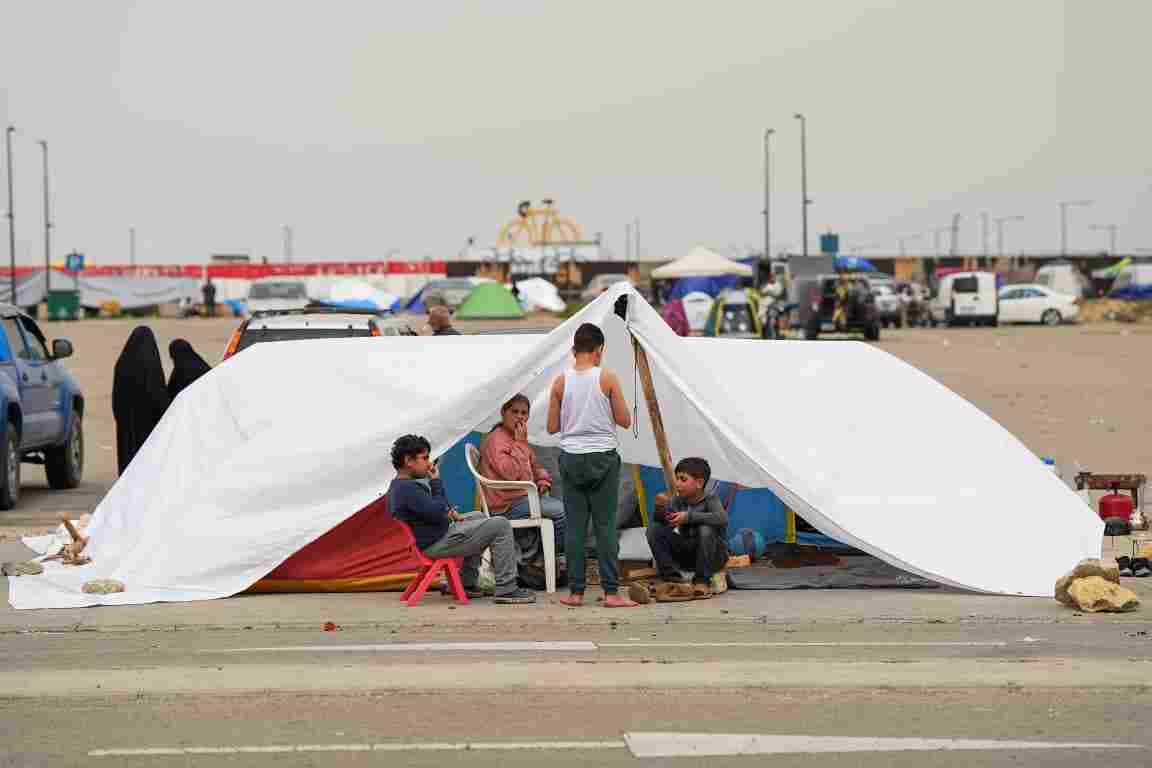
This is placing increasing pressure on economies, services, and livelihoods, leaving millions more dependent on humanitarian aid.
Around 1.6 billion people live in fragile or conflict-affected settings. They face major barriers to accessing healthcare. Approximately 50% of people in these settings lack access to essential health services, leading to higher rates of disease outbreaks, maternal deaths, and child mortality.
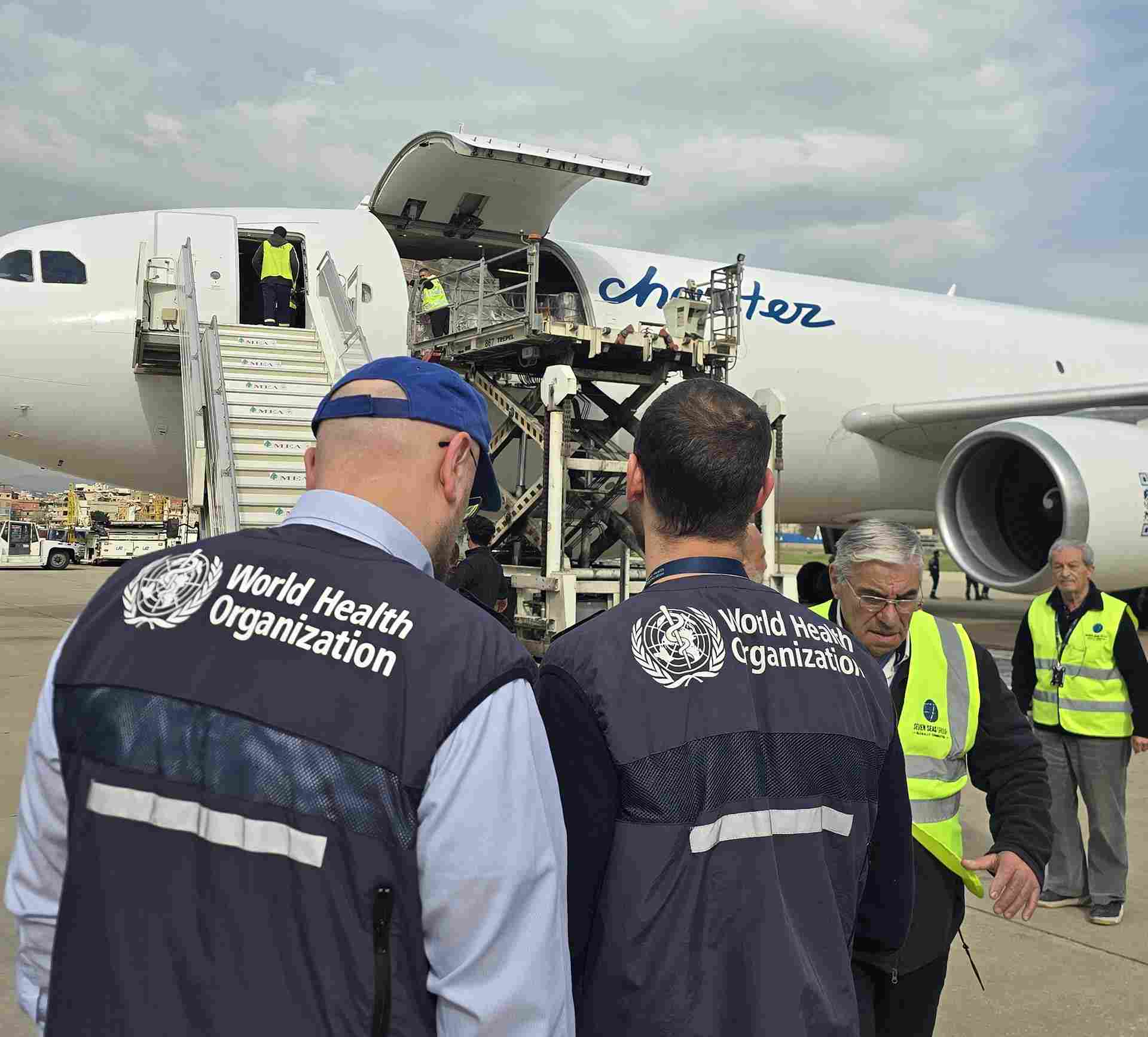
According to the World Health Organization Emergency Appeal 2026, more than 239 million people require humanitarian assistance globally. At the same time, over 6,600 health facilities were disrupted in 2025, leaving 53 million people without essential care.
Meanwhile, global humanitarian aid is declining rapidly.
Humanitarian funding fell by approximately $5 billion in 2024, a drop of nearly 11%. In 2025, funding declined further, reaching levels below those seen in 2016. Some estimates suggest funding fell from around $37.1 billion in 2023–2024 to about $24.6 billion in 2025.
Major donors, including the United States, Germany, and the United Kingdom, have significantly reduced their contributions. The U.S. alone cut humanitarian aid from $14.1 billion in 2024 to around $3.4 billion in 2025, a reduction of approximately 75%.
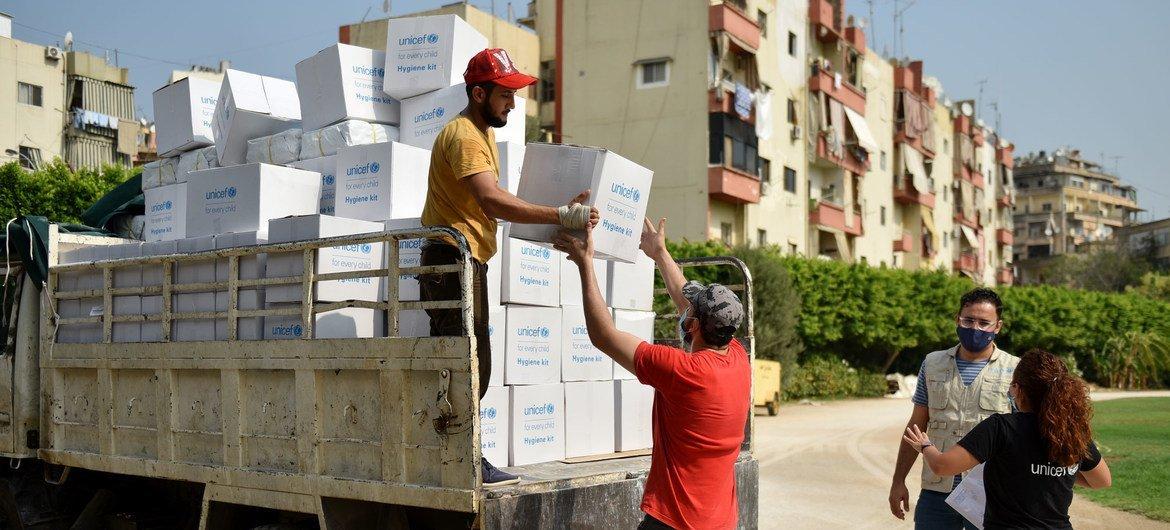
These funding cuts are forcing international organizations, including the United Nations, to reduce staff and scale back operations in multiple aid-dependent countries. At the same time, a record 305 million people require humanitarian assistance in 2025.
In 2025, the United Nations requested around $47 billion to meet global humanitarian needs. However, funding remains far below requirements. Only about 46% of needs were met in 2024, and by mid-2025, less than 17% had been funded.
The gap between what is needed and what is delivered continues to widen, leaving millions without support.
The UN can assist only about 60% of people in need, meaning 117 million people receive no aid. As needs continue to rise and funding declines, this gap is expected to grow even wider.