




BEIRUT - As Lebanon’s crisis deepens, food insecurity is no longer just about hunger; it is about survival, dignity, and everything in between. On the frontlines of this reality is FoodBlessed, a community-driven nonprofit working to support displaced families who have been forced to flee their homes.
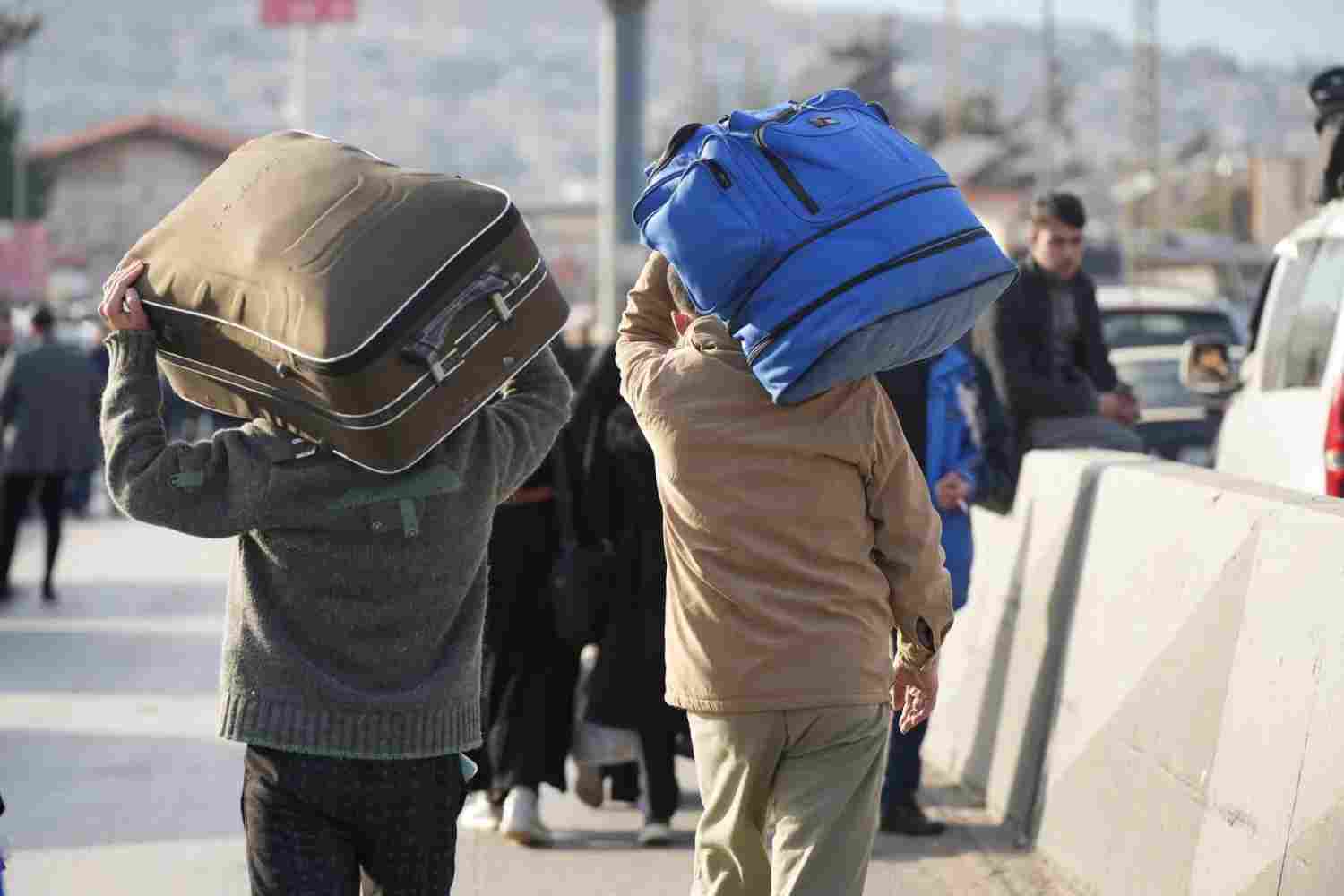
According to UNICEF Lebanon, approximately 20% of the country's population is currently displaced. The scale of the humanitarian crisis has once again left the country scrambling to secure aid for millions amid chronic shortages.
For co-founder and executive director Maya Terro, the challenge is as complex as it is urgent.
“The biggest challenge is the scale and the fluidity of the situation,” Terro told Enmaeya. “Needs are constantly changing, while funding remains limited.”
While donations initially surged in the early days of escalation, that support has steadily declined. “In the first week, we received a lot of donations, but they started decreasing week by week,” she said. At the same time, rising prices have made operations even more difficult.
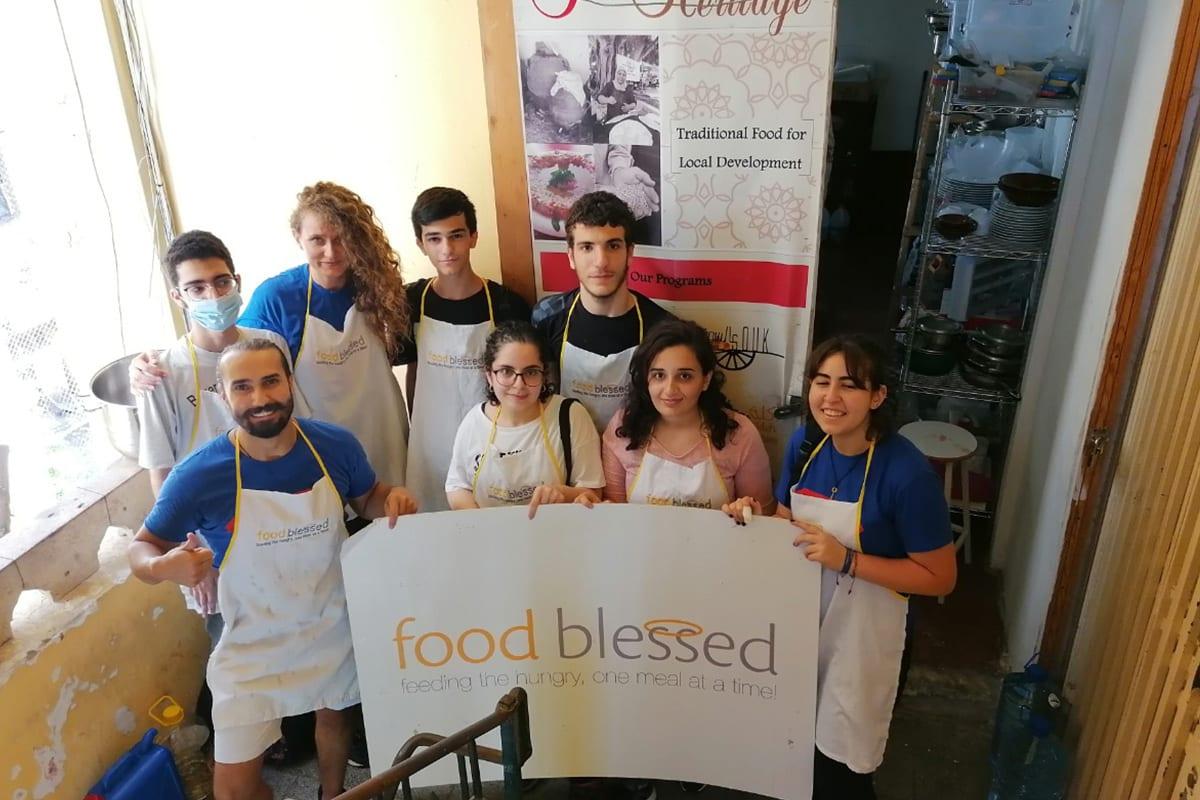
Beyond funding, the realities on the ground can be dangerous. Like many civil society organizations, FoodBlessed depends on volunteers who manage the daily process of securing, delivering, and distributing aid. For these volunteers, security risks add another layer of challenge.
Terro recalled a moment when one of her volunteers narrowly escaped a nearby explosion while carrying out aid work.o recalled a moment when one of her volunteers narrowly escaped a nearby explosion while carrying out aid work.
More Than Just Meals
Unlike many aid efforts focused on daily meal distribution, FoodBlessed takes a more holistic approach, one that centers dignity and sustainability.
“We prioritize dignity at every stage of our work,” Terro said. “It’s not just about distributing food, but ensuring that what we provide is high-quality, nutritious, and prepared with care.”
Respect for beneficiaries is also central. “We rarely take photos of our distributions out of respect for people’s privacy,” she added. “And when we do, we make sure faces are not shown.”
Their aid packages are designed to provide more than immediate relief. Ready-to-eat kits can feed a family of four for five to seven days, especially critical for those without access to kitchens. These kits include essential items such as milk, along with hygiene products.
“We also prepare hygiene kits that can last a family for almost a month, including necessities and feminine hygiene products,” she said.
For families with access to cooking facilities, FoodBlessed provides monthly food parcels that can last up to four weeks. “Our goal is not to provide just one meal,” Terro explained. “We aim to support families for several days or even weeks at a time.”
Focused Impact
Rather than spreading resources thin, FoodBlessed has chosen to focus deeply on a smaller group of families, around 200, ensuring comprehensive support.
“We support each family with all their essential needs: medication, diapers, baby formula, blankets, hygiene kits, and ready-to-eat meals,” Terro said.
This targeted approach allows for more sustainable impact. “By supporting families across all their needs, we ensure they are stable for a longer period,” she explained.
The organization also continuously evaluates its work. “We assess needs before intervening, and then reassess afterward to understand what more is required and how we can improve,” she added.
The Overlooked Gaps
According to Terro, one of the biggest gaps in Lebanon’s aid system today is the heavy focus on short-term meal distribution.
“Many initiatives focus on providing meals, especially during Ramadan,” she said. “But outside those specific times, families are often left without support.”
This creates additional challenges for vulnerable groups. “There are people who cannot fast or who need food throughout the day, yet they don’t have access to it,” she explained.
More broadly, Terro stresses that food is only one part of the crisis. “It’s not just about hunger,” she said. “Families need medication, shelter, baby supplies, and hygiene products, but these needs are often overlooked.”
In some cases, these needs take priority over food itself. “Dignity matters,” she explains. “For some, having access to feminine hygiene products or ensuring their child has diapers and proper nutrition can feel more urgent than their own meals.”
An Alarming Reality
Lebanon’s food insecurity situation, Terro says, is “alarmingly high”-even before recent escalations.
“Families were already struggling due to the economic crisis, and the current situation has only made things worse,” she said.
Many are resorting to coping mechanisms such as skipping meals, reducing portion sizes, or relying on low-quality food. “These behaviors have become common,” she noted, “but they should not be normalized.”
For displaced families, the situation is even more difficult. “Even if families can afford food, many do not have access to kitchens,” she explained. “This makes it impossible for them to prepare meals.”
Fragmentation in aid delivery further complicates the situation. “Some families receive overlapping support, while others receive none,” Terro said. “This lack of coordination creates inconsistency and uncertainty.”
Beyond Emergency Response
While organizations like FoodBlessed play a critical role, Terro is clear that humanitarian aid alone is not enough.
“Lebanon needs to move beyond emergency response toward long-term, systemic solutions,” she said.
This includes improving access to employment, strengthening social protection systems, and ensuring basic rights such as healthcare and education.
Ultimately, food insecurity is part of a broader crisis. “It’s not just food insecurity, it’s economic, social, and health insecurity,” Terro said.
While humanitarian aid will always be necessary for the most vulnerable, she emphasizes that it should not be the norm.
Until then, organizations like FoodBlessed remain on the frontlines, working to restore not just access to food, but security and stability for those who need it most.