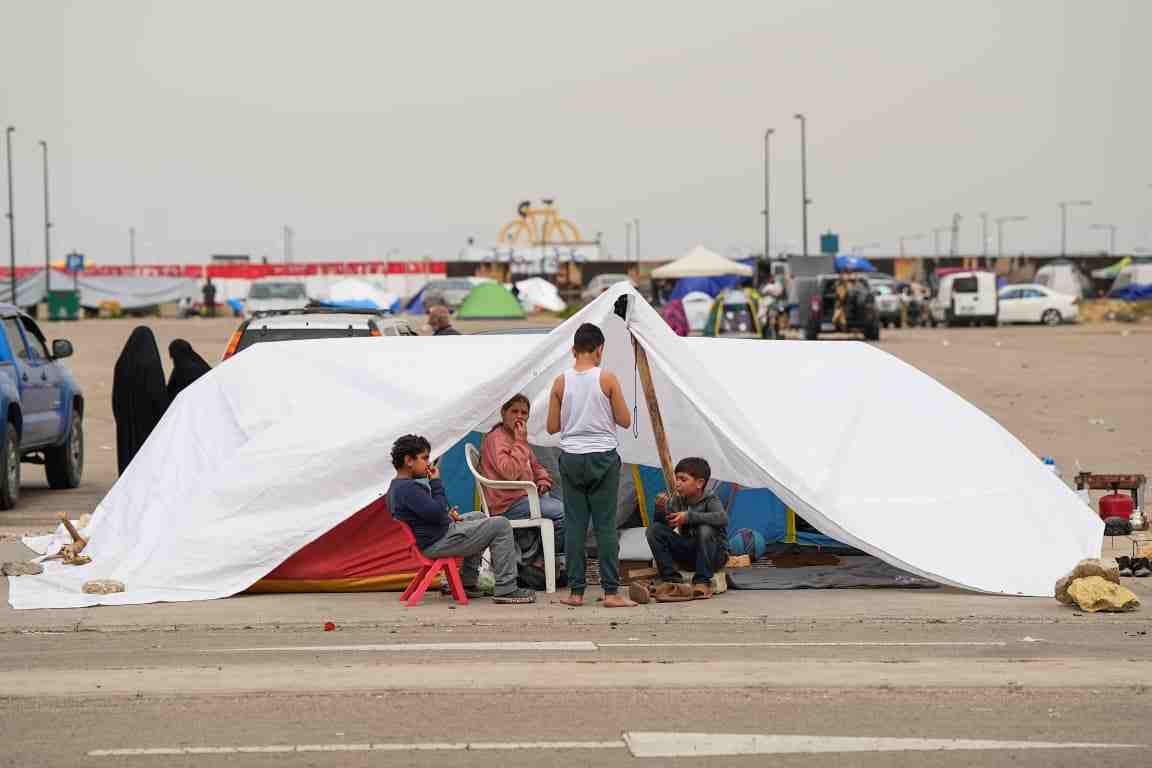





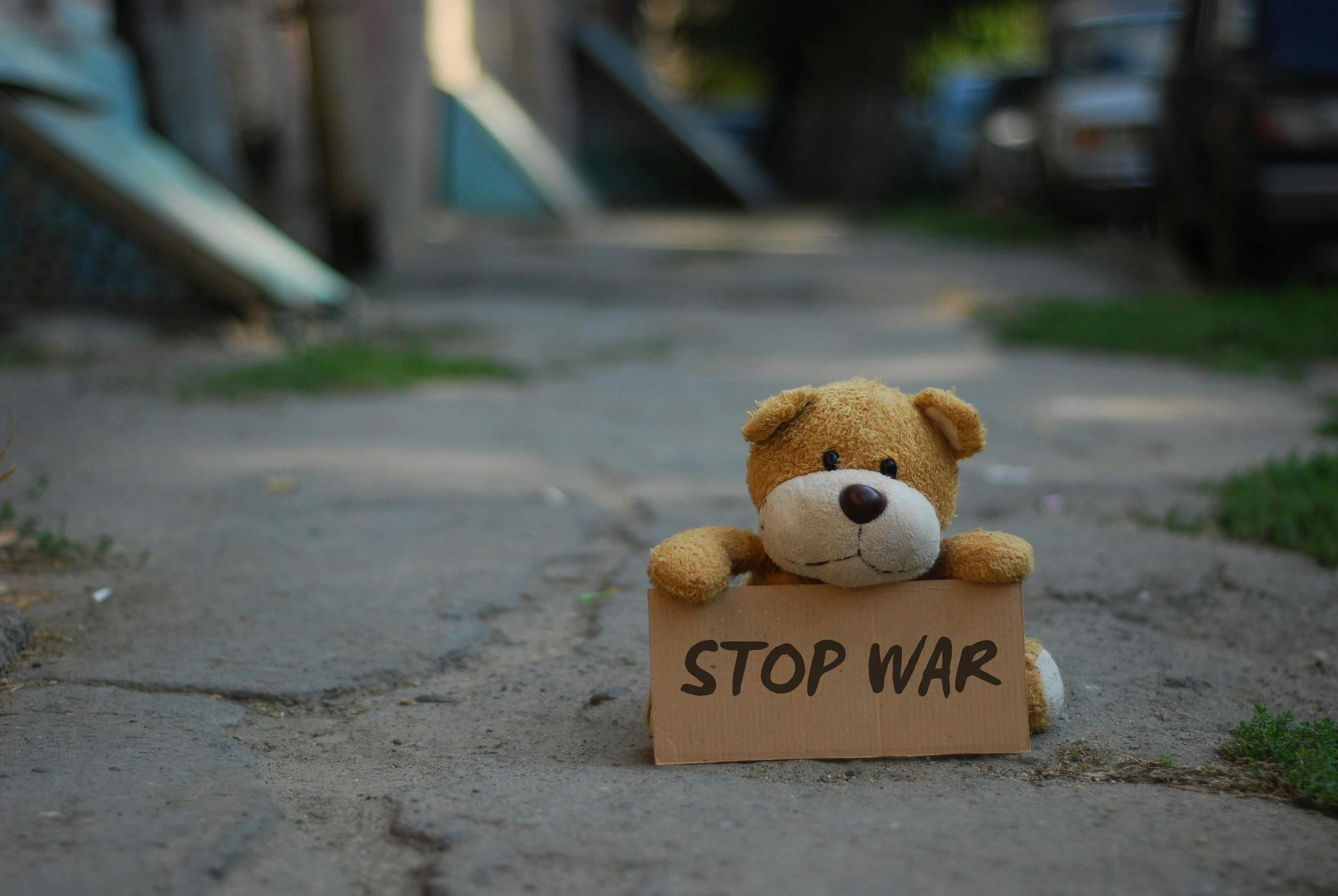
Lebanon - As the situation continues to deteriorate in Lebanon, children are bearing the brunt of a relentless conflict. UNICEF estimates that almost 370,000 boys and girls have been displaced, an average of 19,000 children every day. Exposure to traumatic events, constant bombardment, and loss of sense of security take a devastating toll on children's mental health. For children on the autism spectrum, the impact is magnified in ways that are often invisible to the outside world.
What is Autism Spectrum Disorder?
Autism Spectrum Disorder (ASD) is a neurodevelopmental condition characterized by differences in social communication alongside restricted interests and repetitive behaviors. No two autistic children are alike, the spectrum is wide, and so are the needs.
Why Are Autistic Children Particularly Vulnerable During War?
A defining feature of autism is a deep reliance on routine and sameness. The sudden collapse of daily life, displacement into unfamiliar, overcrowded environments, disrupted sleep, and the loss of structure, triggers acute anxiety and meltdowns. Sensory overload from explosions, sirens, and the constant unpredictability of evacuation further distresses children on the spectrum in ways that neurotypical children may be better equipped to withstand.
In addition, humanitarian aid is largely designed for the general population. Children with special needs are routinely overlooked, leaving families to navigate impossible circumstances alone. In many cases, absorbing additional financial strain to meet needs that emergency systems fail to address.
Signs and Symptoms to Watch For
Trauma does not always look the same in autistic children. Beyond the classic markers of PTSD, research shows that autistic children may present with sensory trauma, extreme distress in response to change, and social burnout.
Caregivers should be alert to increased stimming, regression in previously mastered skills, new onset of aggression or self-injury, severe sleep disturbances, and social withdrawal.
What Families Can Do
Prepare a sensory kit: Items such as noise-canceling headphones, earplugs, weighted blankets, compression garments, or preferred tactile objects have been shown to meaningfully reduce sensory overload in children with ASD. Keeping these accessible at all times is essential.
Maintain micro-routines: Even under bombardment, predictability matters. Consistent mealtimes, a familiar bedtime ritual, and a designated comfort/quite corner, however modest, can provide a meaningful anchor for an autistic child in a chaotic environment.
Create a sense of familiarity: Wherever possible, bring items from home that carry comfort or routine: a favorite plate, mug, blanket, toy, or set of clothes. These small objects can serve as powerful stabilizers for a child whose world has been upended.
Use adapted communication: Helping your child understand what is happening is important, even when words fall short. Combining verbal explanations with visual aids such as storytelling, drawing, or playing with familiar toys makes difficult realities more processable and less frightening.
Seek mental health support when safe to do so: A growing number of NGOs and international organizations operate mobile clinics offering mental health services, including psychological first aid. Families should not hesitate to reach out and ask for help.