




LEBANON — As the world marks the International Day of Sport for Development and Peace on April 6, attention turns to the role of sport in fostering social change, strengthening communities, and promoting peace.
In an exclusive interview with enmaeya, conflict resolution expert Dr. Norma Wakim explores how sport can serve as a powerful driver of development and advance the United Nations Sustainable Development Goals.
Wakim said the day serves as a global reminder that sport has a deeper role in societies facing conflict and division. “Sport is not just a game,” she noted. “It is a powerful way to bring people together, especially in a world facing conflict, division, and war. It highlights how sport can be used for peacebuilding, hope, and connection across communities”.
Sport as a Tool for Development
Beyond recreation, Wakim emphasized that sport can teach essential life skills. Through structured activities, young people can develop resilience, teamwork, communication, discipline, leadership, and goal-setting abilities.
“When used intentionally, sport becomes a tool for lifelong learning,” she explained. “It empowers youth, including young women, and can help prevent violence by offering positive alternatives and constructive ways for young people to engage.”
Building Inclusive Communities
According to Wakim, sport can also strengthen communities by creating safe spaces where people from different backgrounds interact and build trust.
“When sports activities are designed with a purpose, they help break barriers between social groups, cultures, and genders,” she said. “They create a sense of belonging not just to one group, but to the entire community.”
Supporting Global Development Goals
Sport can contribute both directly and indirectly to several Sustainable Development Goals, Wakim added.
Physical activity supports good health and well-being, while sports-based programs can promote education by developing critical thinking, communication, and other 21st-century skills.
Sports initiatives can also advance gender equality by ensuring equal participation for women and girls and by raising awareness about inclusion. When programs intentionally integrate participants from different backgrounds and abilities, they help reduce inequalities and encourage peaceful cooperation between communities.
“Sport can even contribute to peacebuilding and partnerships,” Wakim said, pointing to initiatives where organizations collaborate to strengthen resilience and promote dialogue.
Global Initiatives and Youth Engagement
International programs also demonstrate the social impact of sport. Wakim pointed to the International Olympic Committee’s Olympism365 strategy, which aims to improve lives through sport throughout the year.
She also highlighted the upcoming 2026 Summer Youth Olympics in Dakar, which will bring together young athletes from around the world.
“Such events promote understanding, respect, and friendship across cultures,” Wakim said. “They show that diversity is a strength while helping young people develop leadership and critical life skills.”
The Legacy of Major Sporting Events
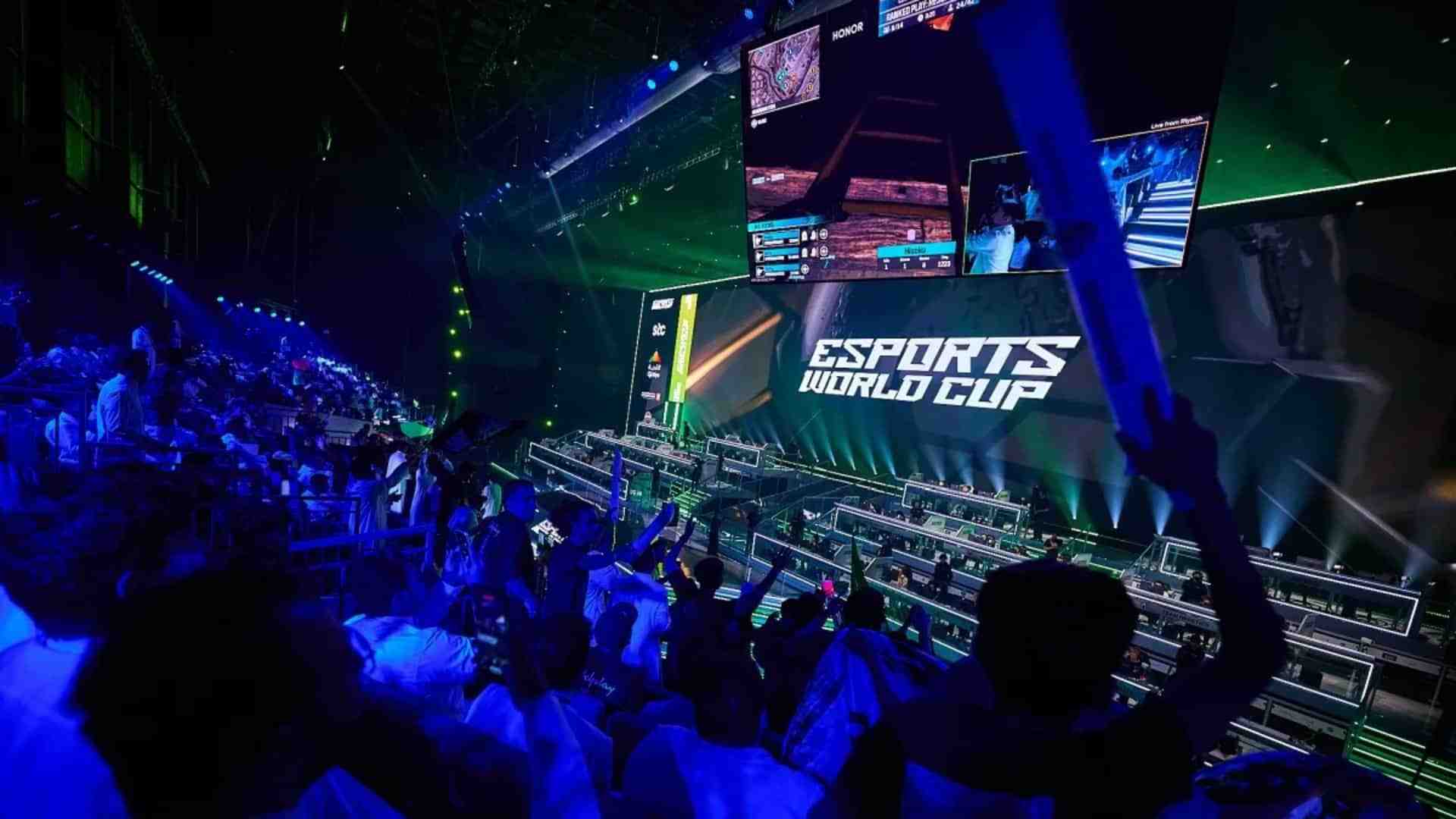
Large global competitions can also leave lasting social and economic benefits. Wakim noted that events like the FIFA World Cup Qatar 2022 can support educational initiatives, youth training programs, and community development projects.
“These events often fund training for young people, including coaching and refereeing programs that create job opportunities,” she explained. “They can also support school engagement and youth academies that continue operating long after the event.”
Infrastructure improvements, such as stadiums, transport networks, and public spaces, can benefit communities if they are designed with long-term use in mind.
“When planned with communities and development goals in mind, major events can improve daily life for residents, support local economies, and increase access to sports facilities,” she said.
Sport for Peace in Lebanon
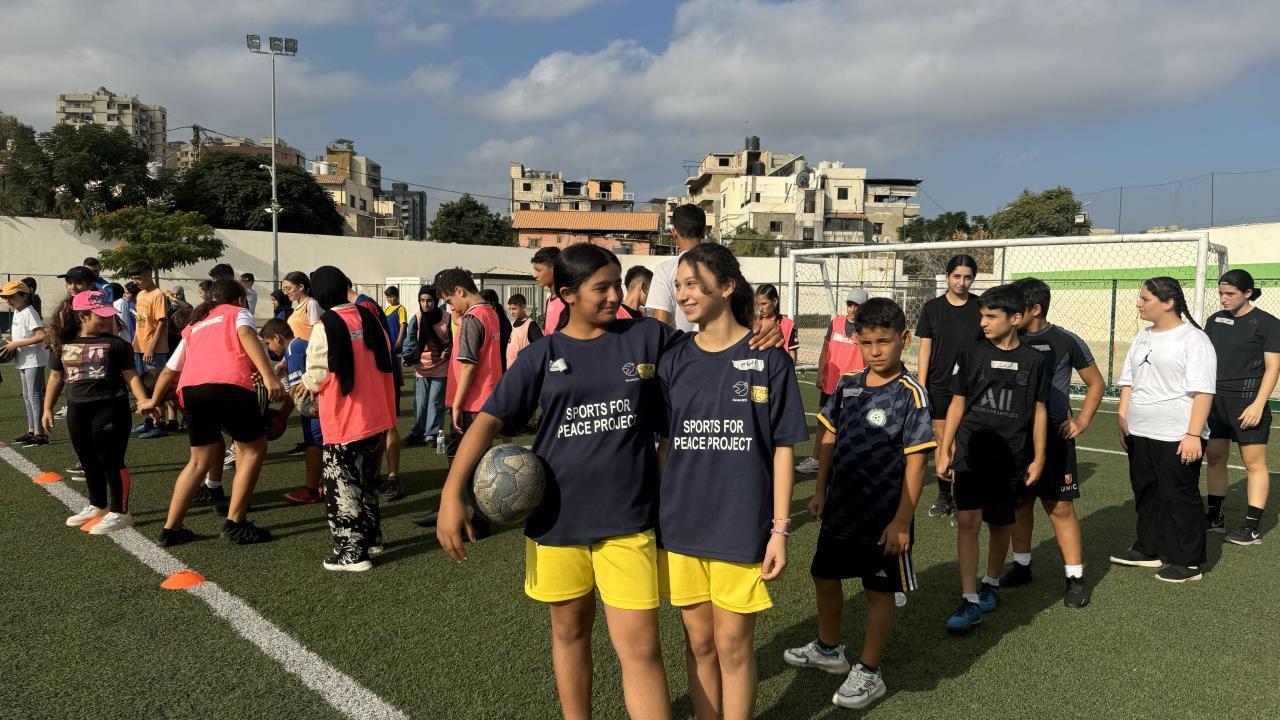
Wakim also shared an example from her own work in Lebanon, where sport was used to strengthen resilience and promote peace among communities that had rarely interacted due to past conflict.
In the initiative, local organizations identified coaches who were trained to lead sports sessions combined with life-skills training. Activities focused on communication, teamwork, tolerance, gender inclusion, and active listening.
“Young men and women first participated in sessions within their own communities,” Wakim explained. “Later, groups from different communities visited each other and formed mixed teams.”
The program helped participants challenge stereotypes and build new relationships.
“We saw tensions decrease as young people began communicating and working together,” Wakim said. “Sport created the space for dialogue and understanding.”
A Message on The Power of Sport
For Wakim, the broader lesson is clear.
“Sport has tremendous potential to support development and peace,” she said. “But its impact depends on how it is designed, whether communities are involved, whether vulnerable groups are included, and whether there is a long-term vision beyond the activity or event itself”.
She added that when used thoughtfully, sport can become far more than competition, it can be a pathway toward stronger communities and a more peaceful world.
In a world often marked by division and conflict, Norma Wakim’s insights remind us that sport is far more than just games, it is a bridge that connects communities, empowers youth, and fosters peace.
From grassroots initiatives in Lebanon to global events like the Youth Olympic Games, sport proves to be a powerful tool for development, inclusion, and social change.