





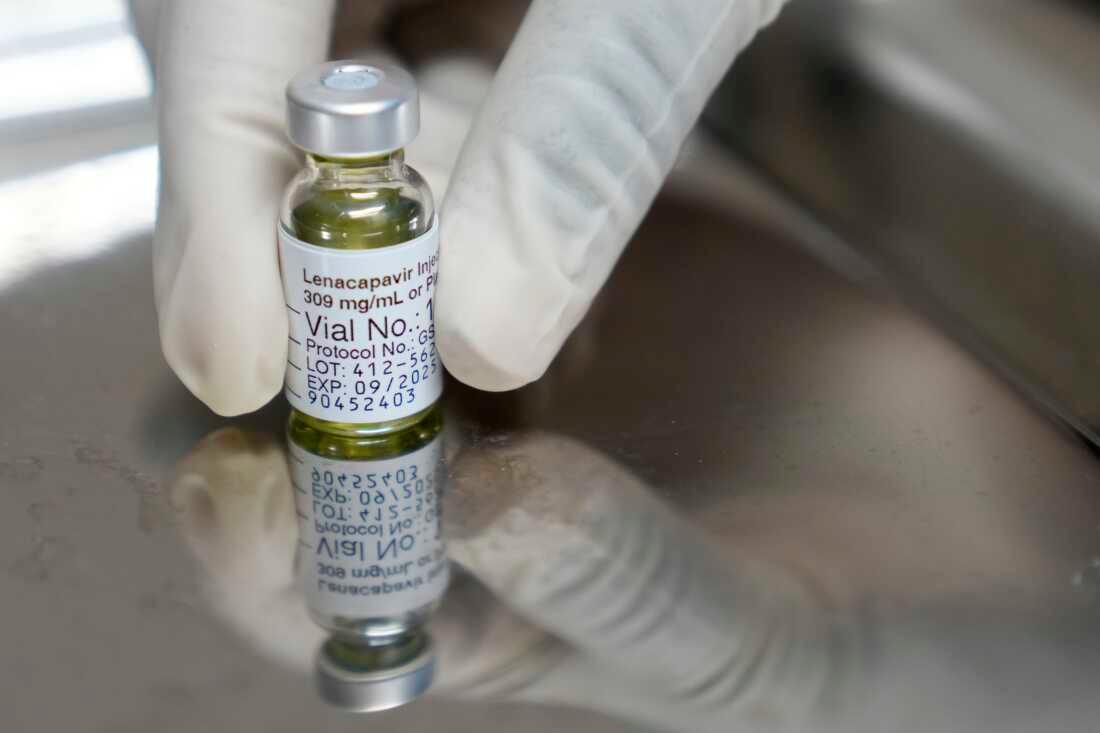
WORLD - After multiple denied requests, Doctors Without Borders/Médecins Sans Frontières (MSF) has published an open letter calling on US pharmaceutical company Gilead Sciences to immediately sell its highly effective HIV prevention drug, lenacapavir, for use in MSF’s medical programs worldwide.
Lenacapavir is an injectable form of pre-exposure prophylaxis (PrEP) that requires only two doses per year. This schedule offers a major advantage for people who face barriers to accessing daily or frequent medication, particularly in the humanitarian settings where MSF operates. Approximately 1.3 million people contract HIV every year.
Despite Gilead’s claims of sufficient production capacity to meet global demand, the company has repeatedly refused MSF’s requests to purchase a limited supply.
Instead, it has directed MSF to obtain lenacapavir through the Global Fund to Fight AIDS, Tuberculosis and Malaria, a channel operating under a supply cap Gilead imposed on itself, covering only 2 million people over three years. This falls far short of global need, leading to rationing and unequal access.
Gilead has also pointed to the arrival of affordable generic versions of lenacapavir in 2027. However, its licensing agreements restrict generic sales to just over two dozen countries, excluding much of Latin America, parts of Asia and Eastern Europe, and the Middle East and North Africa, regions experiencing some of the fastest-rising HIV infection rates.
Deflecting responsibility onto future generics, without a plan to supply much of the world in the first two critical years of rollout, is unacceptable to MSF and the global health community.
“Gilead must decide whether it prioritizes protecting people or protecting control and profit,” said Dr. Tom Ellman, Director of MSF’s Southern Africa Medical Unit.
“This is a chilling echo of the 1990s, when antiretrovirals were available in the Global North while the rest of the world was denied access, and countless lives were lost to HIV/AIDS.”
MSF has requested an urgent follow-up meeting with Gilead by April 13, seeking clarity on whether the company will sell lenacapavir directly, at what price, and when delivery could begin.
This situation raises a fundamental question: how can a life-saving medication be freely available in one part of the world while remaining out of reach in another? Access to medicine should not depend on geography, income, or a country’s purchasing power. While discussions on intellectual property and corporate autonomy are legitimate, they must not overshadow a basic principle: healthcare is a human right.
Importantly, MSF is not seeking donations or subsidies. It is a willing buyer with funding ready, requesting to purchase through the same commercial channels available to buyers in high-income markets.
Gilead’s refusal demands a clear, transparent explanation that goes beyond procedural justifications and addresses the moral stakes involved.