






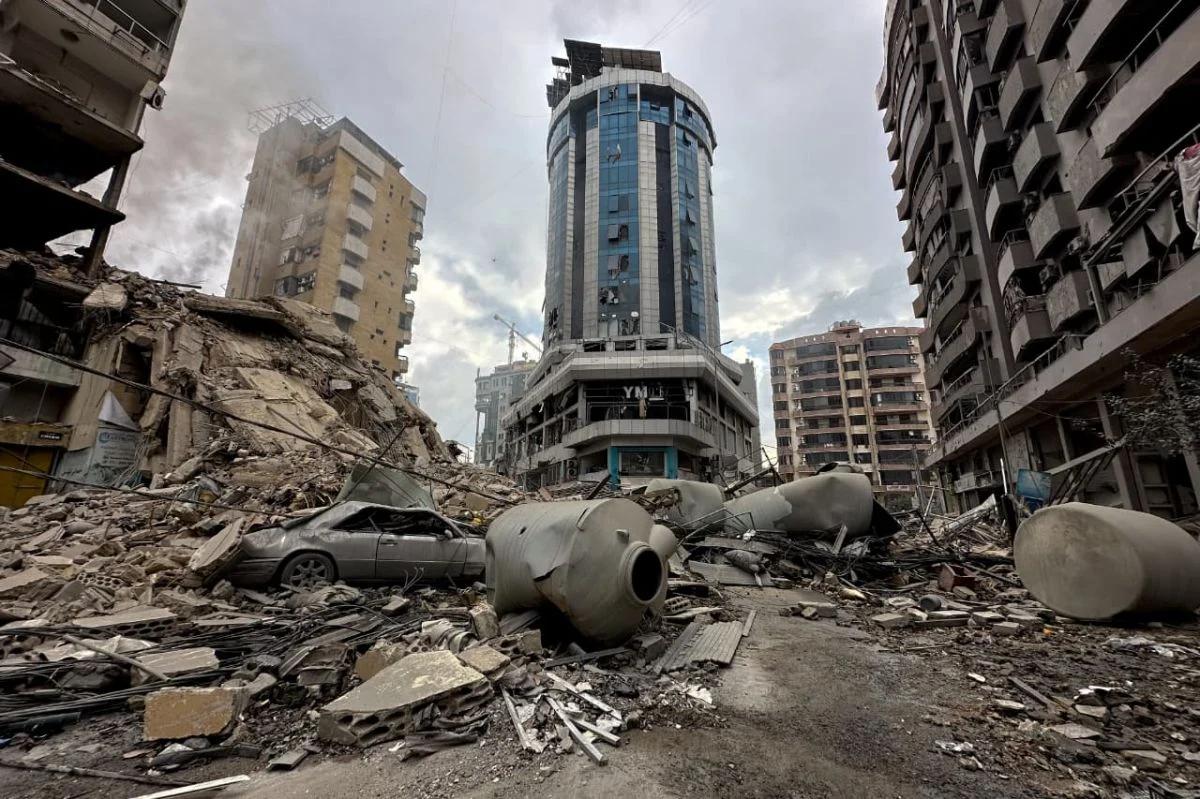
LEBANON - Lebanon’s economy has entered a renewed crisis following a brief period of recovery, according to InfoPro’s “2026 War: First Month Report,” which assesses the economic impact of the war in Lebanon.
The report states that the recovery observed in 2025 has been reversed, with the current conflict constituting a second major shock after the 2019 financial crisis and the 2024 war.
It notes that the cumulative effect of these events is placing sustained pressure on economic activity and public services.
Displacement has increased significantly, with an estimated one million people forced from their homes within the first month of the conflict, representing nearly 20 percent of the population.
Economic losses are estimated at between $60 million and $80 million per day during active hostilities. The Institute of International Finance (IIF) projects a decrease in real GDP of between 12 and 16 percent in 2026, depending on the duration of the conflict.
The hospitality and retail sectors have recorded the sharpest declines. Hotel occupancy rates have fallen by more than 90 percent, with multiple closures reported in southern regions and Mount Lebanon. Retail activity in Beirut has decreased by up to 80 percent.
In agriculture, approximately 22 percent of cultivated land has been affected by the conflict. In the South, 77 percent of farmers have been displaced, resulting in the suspension of operations in olive presses, greenhouses, and other production facilities.
Industrial activity has also been disrupted. Manufacturers are facing increased shipping costs, estimated at two to three times previous levels, as well as reduced access to export markets, particularly in the Gulf.
The report notes that the poultry sector has remained operational despite the decline. Production is projected to reach between 115 million and 120 million birds, exceeding estimated domestic consumption requirements.
On the fiscal side, the report indicates a deterioration in public finances. Reduced economic activity is expected to lower revenues from value-added tax and customs.
The government is expected to rely on foreign currency reserves held by the central bank, estimated at $11.7 billion, in addition to external funding to cover rising expenditures.
According to InfoPro, recovery prospects remain uncertain. The report indicates that any economic rebound, potentially in 2027 or 2028, will depend on improved stability and the availability of external financial support, estimated at $11 billion for reconstruction.