






LEBANON - The United Nations World Food Programme (WFP) warned that Lebanon is facing a food security crisis, as the Iran war continues to disrupt the supply of goods across the country.
WFP country director Allison Oman, speaking via video link from Beirut, stated that what is unfolding has moved beyond displacement: it is rapidly becoming a food security emergency.
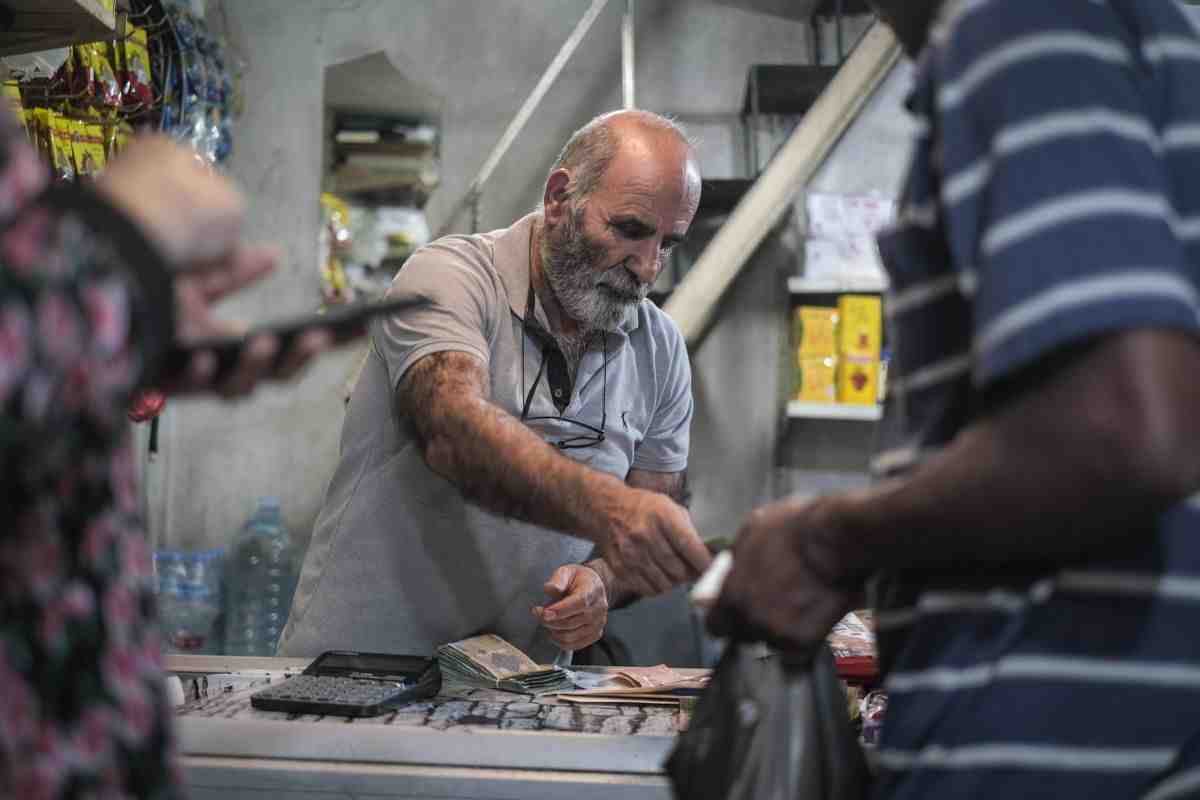
She warned that food is becoming increasingly unaffordable due to rising prices and surging demand among displaced families, citing a 20% increase in vegetable prices and a 17% rise in bread prices since March 2nd, according to WFP data. The combination of rising prices and depleted incomes, Oman noted, is deeply alarming.
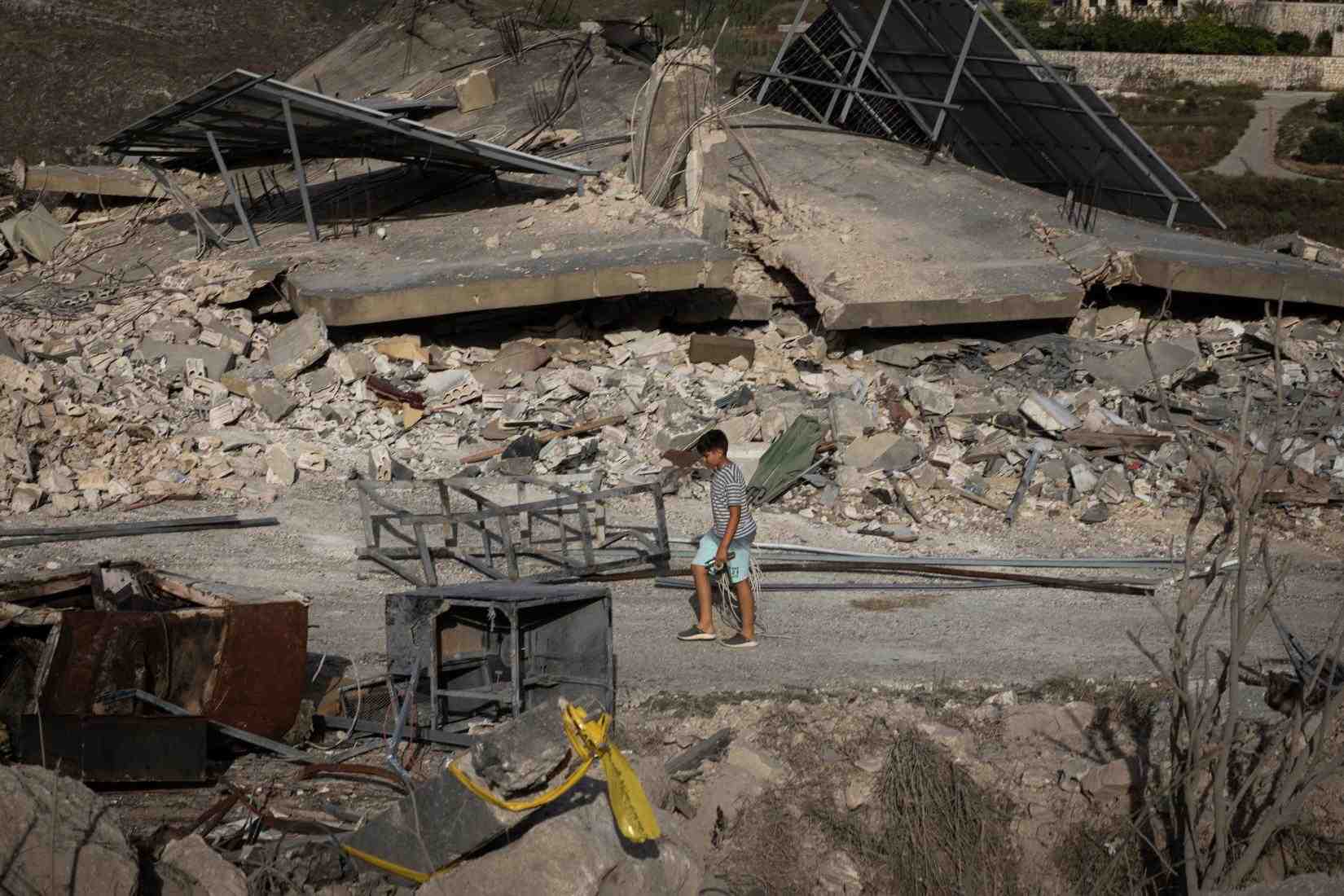
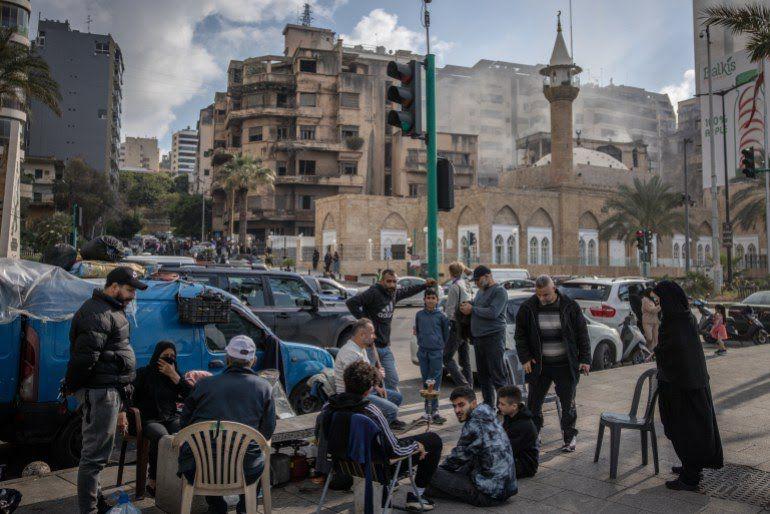
Lebanon faces a two-layered crisis. In the south, more than 80% of markets are no longer functioning. In Beirut, markets remain open but are under growing strain. In conflict-affected areas of South Lebanon, traders are reporting less than a week's worth of essential food stocks remaining, and delivery has become increasingly dangerous as Israeli airstrikes target key infrastructure, including the Qasmiyeh bridge.
Ten WFP convoys have reached the south to provide aid to an estimated 50,000 to 150,000 people in need of humanitarian support. Oman estimated that approximately 900,000 people across Lebanon are currently facing food insecurity, a number she expects to rise.
Food Insecurity and Poverty in Wartime
It is well established that food insecurity during wartime functions as a poverty multiplier, not merely a humanitarian emergency. As conflict persists, infrastructure is degraded, food prices surge, and affected families lose income, assets, and access to basic nutrition simultaneously.
The financial pressure of purchasing increasingly expensive food depletes whatever economic reserves households have left, accelerating the descent into poverty.
The Poverty Trap Mechanism
A "poverty trap" can be understood as a set of self-reinforcing mechanisms in which current poverty becomes a direct cause of future poverty. In the context of Lebanon, the risk is that wartime hunger does not resolve with a ceasefire in fact it calcifies into lasting structural poverty.
This is not a hypothetical concern. In 2025, an Integrated Food Security Phase Classification (IPC) analysis on Lebanon , developed jointly by the FAO, WFP, and the Ministry of Agriculture, found that 1.65 million people, nearly 30% of the population, were facing crisis or emergency levels of food insecurity, with no projected short-term return to pre-crisis conditions.
With over one million people currently displaced and the WFP warning of imminent food shortages, the situation in 2026 has deteriorated further still.
Who Bears the Greatest Burden?
The most vulnerable carry a disproportionate share of this crisis. A 2024 collaborative report by UNICEF and Lebanon's Ministry of Public Health found that 8,000 children suffering from severe acute malnutrition remained untreated. A figure that is expected to rise significantly in 2026.
Childhood malnutrition carries consequences that extend far beyond the immediate crisis. Research has consistently shown that malnutrition in early life leads to stunting, impaired physical and cognitive development, for which there is no cure.
The WHO has documented that stunting in the first 1,000 days of a child's life is associated with poor educational performance, reduced adult wages, diminished productivity, and an increased risk of chronic disease in later life.
These are not temporary hardships; they are life-defining outcomes that follow a child into adulthood and shape the economic trajectory of entire communities.
The War-to-Poverty Pipeline
The long-term economic damage of conflict compounds these individual harms at a structural level. According to Annahar, purchasing power in Lebanon has been severely diminished by multimensional crises: a 15% increase in domestic taxes, oil prices exceeding $110 per barrel, and major supply chain disruptions projected to drive inflation as high as 35%.
This level of inflation does not merely inconvenience households; it dismantles their capacity to meet basic daily needs.
The legacy of the 2024 war already illustrates the scale of economic damage that lingers after the guns fall silent. A UNDP assessment found that approximately 15% of surveyed businesses shut down permanently following the conflict, 21% suspended operations temporarily, and in the most heavily affected areas, 24% remained closed even after the ceasefire.
Each closed business represents lost livelihoods, reduced tax revenue, and weakened community economic networks. The current escalation will only aggravate these losses.
Beyond the Food Crisis
Lebanon is not simply experiencing a food crisis it is experiencing the early stages of what research and historical precedent suggest can become a generational poverty trap.
One in which the hunger of today becomes the stunted development, lost productivity, and structural deprivation of tomorrow. Wartime food insecurity, left unaddressed, does not end with the conflict. It outlasts it.
Prioritizing the supply of food aid, protecting supply routes, and ensuring that displaced families are reached before stocks run out are not acts of charity. They are interventions against a poverty cycle that, once entrenched, is extraordinarily difficult to reverse.