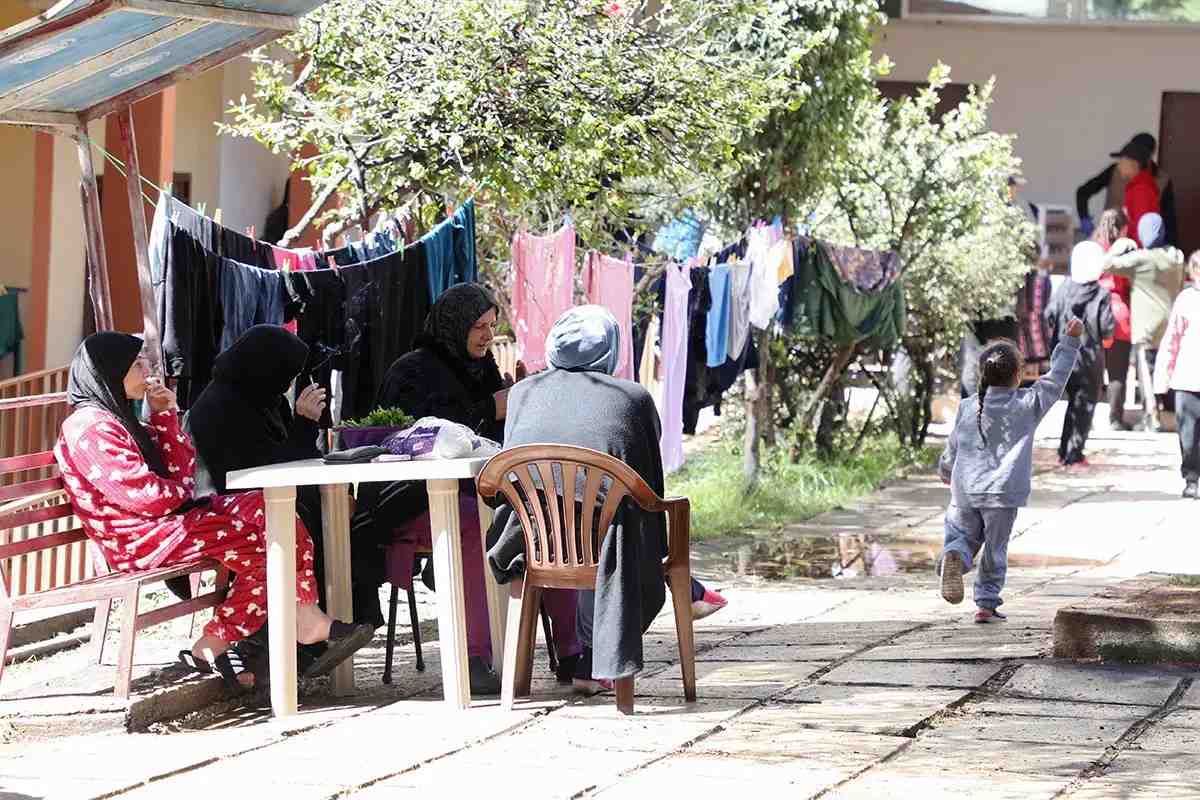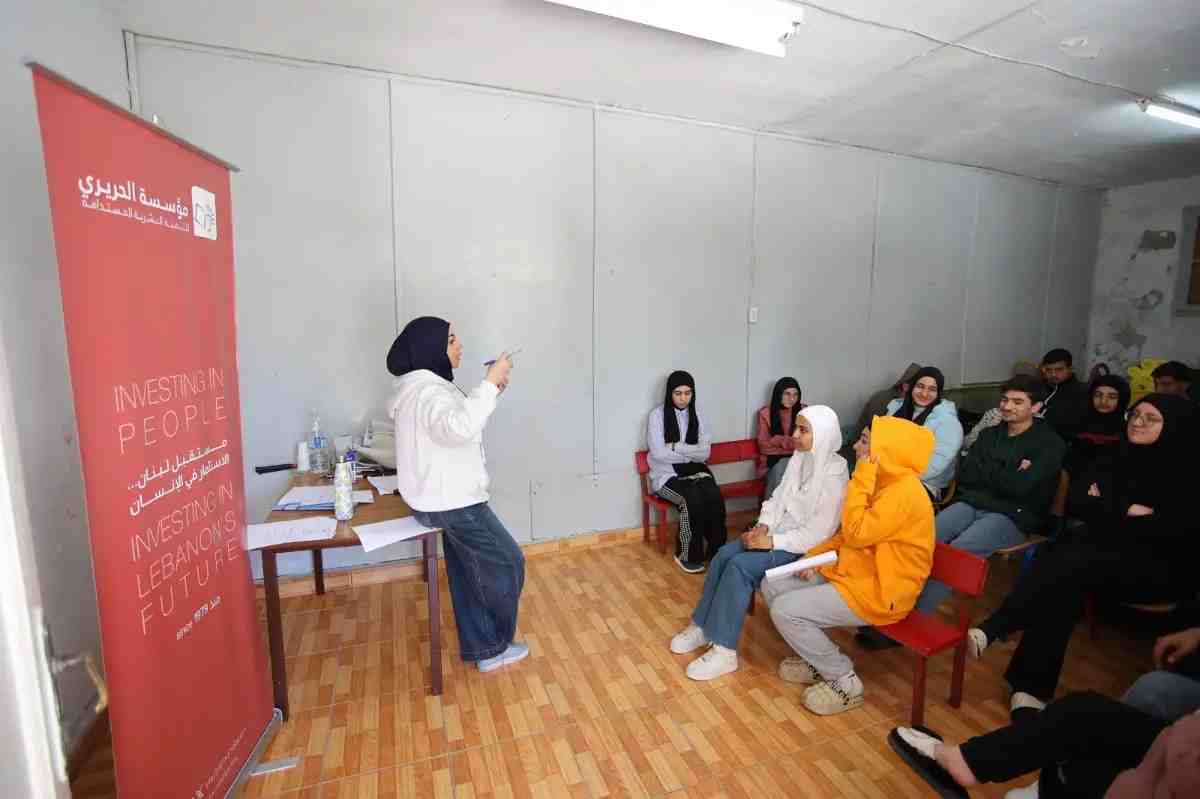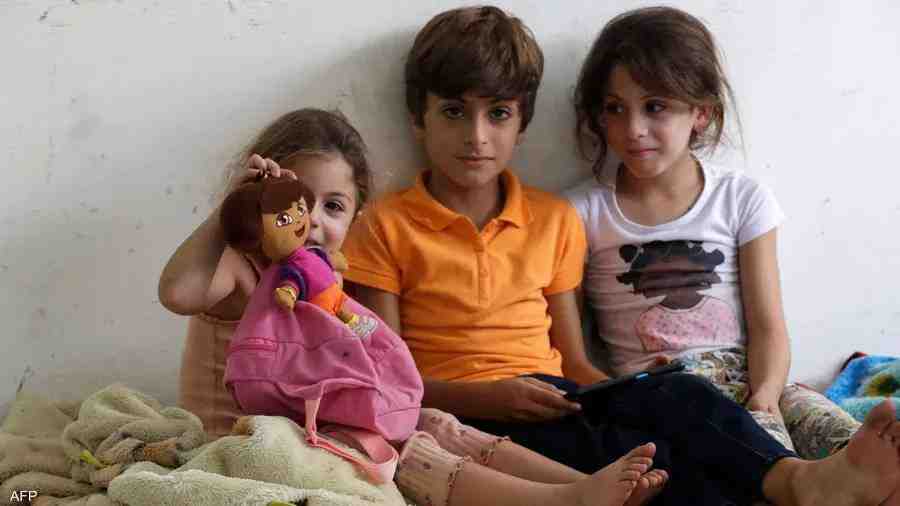







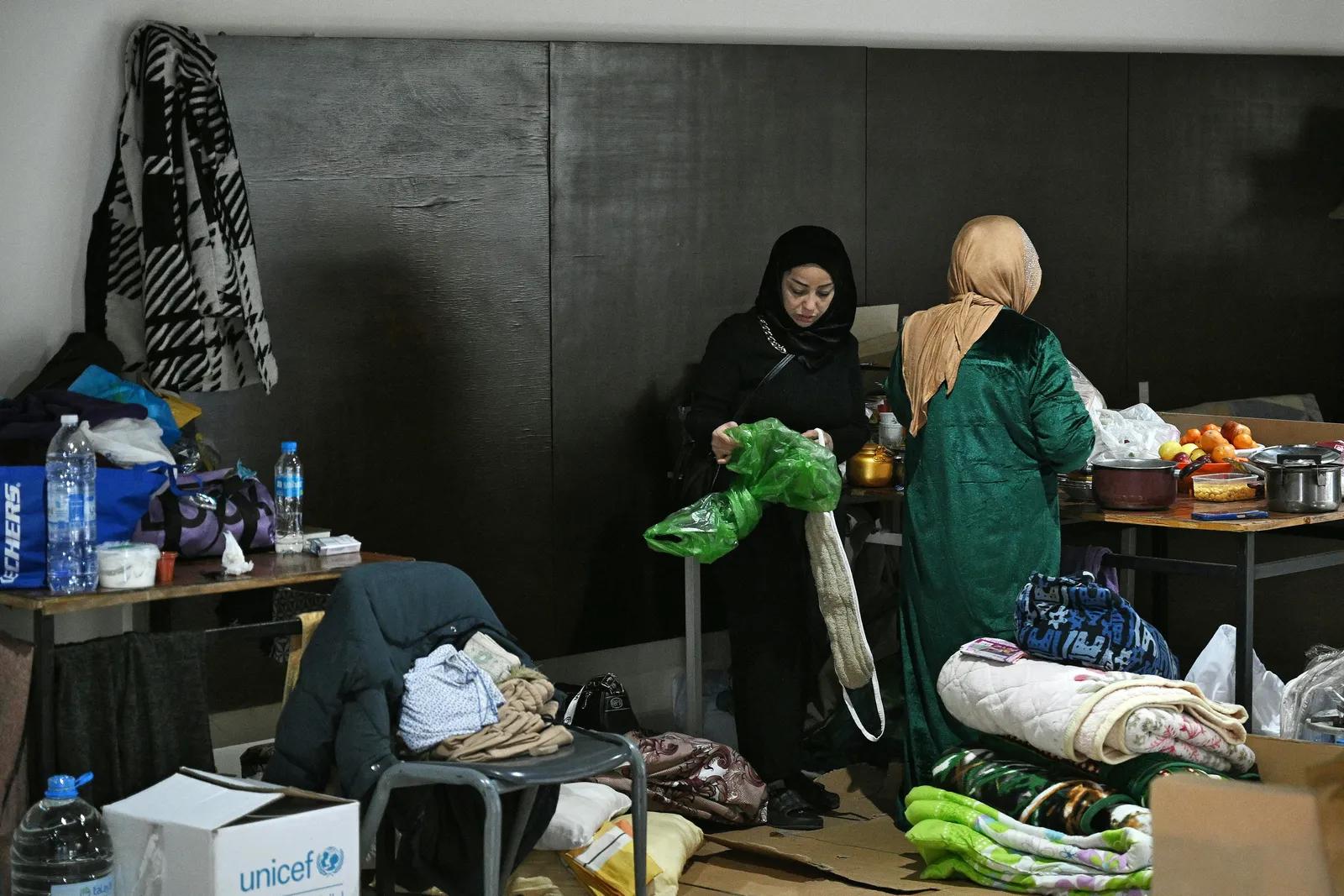
LEBANON - As needs continue to grow across the country, local response has become increasingly dependent on a network of organizations working in parallel.
Up Handi Cup, Al Kafaat Foundation, and Al Amal Association are among the organizations continuing to provide support services across Lebanon as demand increases and resources tighten.
Up Handi Cup
In Saida, Up Handi Cup was founded out of personal experience by 34-year-old Mouzayane Sabbagh, who was diagnosed with spastic paraplegia at the age of 16. That lived experience, she explains, shaped the organization’s purpose and urgency.
“I changed my life and decided to create this association to help people secure equipment that makes their lives easier and helps them face challenges,” she told Enmaeya.
Originally focused on accessibility infrastructure, such as building ramps and designating parking spaces, and environmental initiatives like recycling to fund assistive devices, the organization shifted its priorities sharply during the war.
In 2024, Up Handi Cup expanded into emergency relief, responding to the urgent needs of displaced individuals, particularly persons with disabilities and the elderly.
“We decided to work on relief for all people because disabled individuals and older people were left without wheelchairs, walkers, or canes,” Sabbagh explained. “In 2024, we distributed 45 wheelchairs, 20 walkers, 15 sticks, along with food boxes, mattresses, blankets, and diapers.”
Between 2024 and 2026, the NGO has supported around 120 individuals, providing both medical equipment and essential supplies.
However, sustaining this work remains difficult. “The biggest challenge is donations,” Sabbagh said. “Equipment is expensive, and we rely on continuous support to reach more people in need.”
Donations can be made in cash or via OMT or WHISH Money through: +961 70 333 905
Al Kafaat
The Al Kafaat Foundation, one of Lebanon’s oldest rehabilitation organizations, was founded in 1957. Speaking on behalf of the foundation, Myriam Shwayri, Secretary to the Board of Trustees, described a long-standing commitment to disability inclusion through rehabilitation and education services.
“Since 1957, Al Kafaat has provided services to over 100,000 individuals,” she said. “We remain a non-political and non-partisan organization, offering our services free of charge to all beneficiaries with special needs, without any discrimination.”
The foundation runs specialized rehabilitation centers and inclusive education programs across Lebanon, supporting individuals with conditions such as cerebral palsy, autism, and multiple disabilities. It also provides shelter to displaced individuals, including its own staff and families affected by the crisis.
However, the recent war has placed immense strain on its operations. Several sites sustained severe damage, forcing the organization to relocate services while continuing to meet growing demand.
Despite these challenges, Al Kafaat continues to deliver rehabilitation, shelter, and medical support.
Donations can be made via the donation page of their website.
Al Amal Association
The Al Amal Association for Development and Social Care has taken a more emergency-driven approach, adapting its programs to meet the urgent needs of war-affected populations.
According to Program Development Coordinator Malak Housna, the organization places disability inclusion at the center of its humanitarian response.
“We focus on health and rehabilitation services, assistive devices, food security, and non-food item support,” she said. “Our priorities have shifted toward emergency response, particularly addressing the immediate needs of injured individuals and persons with disabilities.”
Operating across Saida, Iqlim El Kharroub, and northern Lebanon’s Dinnieh region, Al Amal specializes in prosthetics and mobility support, particularly for amputees and conflict-related injuries.
Its interventions include providing prosthetic limbs, wheelchairs, crutches, medications, and essential supplies, alongside food assistance and hygiene kits.
“Our work places a strong emphasis on restoring mobility, dignity, and independence,” Housna noted.
Yet the scale of need continues to grow. Rising costs of medical supplies, limited funding, and logistical challenges in reaching affected areas have made operations increasingly difficult, particularly for high-cost services such as prosthetic care.
They welcome support through financial contributions, in-kind donations (especially mobility aids and medical supplies), partnerships and collaboration opportunities, and volunteering.
Donations can be made via WHISH Money: +961 76 097 296
Across different regions and approaches, the challenges facing these organizations are strikingly similar. Yet, they remain a critical backbone of response on the ground.