




LEBANON – As Lebanon catches its breath after the announcement of the ceasefire, attention is turning to the scale of losses left by the war and its impact on an economy already weakened by years of crisis.
In this context, researcher at “International Information” Mohammad Chamseddine provided Enmaeya with a comprehensive reading of the estimated war damages, based on initial field observations after the ceasefire, rather than final surveys.
Initial Losses Estimated at $5 Billion
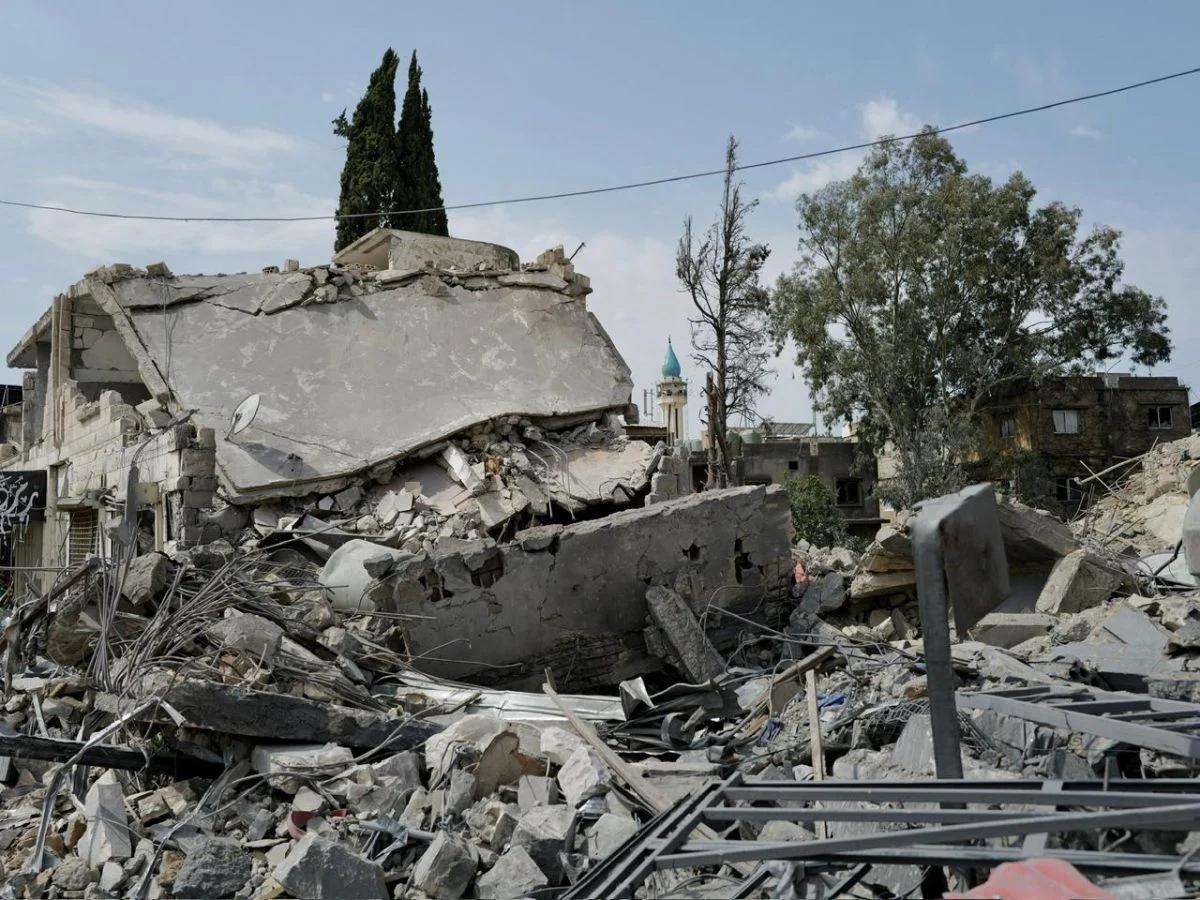
Chamseddine said the damage to housing units, buildings that were fully or partially destroyed, infrastructure, as well as losses in the agricultural sector and indirect economic damage, could total around $5 billion.
He explained that this figure is currently a maximum estimate, pending the completion of field inspections and surveys to determine the final cost more accurately.
$10 Billion Estimate Considered Overstated
Comparing with other estimates, Chamseddine said that figures suggesting losses of $10 billion are exaggerated, noting that the scope of the war remained geographically limited to specific areas, including the southern suburbs, parts of the south and Bekaa, and sometimes areas in Beirut.
He added that the war is an extension of the 2023–2024 conflict, where reconstruction was not completed amid ongoing regional tensions that kept development and rebuilding plans on hold due to instability.
He also said this led to a broad freeze in economic planning, with institutions and individuals waiting for any escalation, preventing a real reconstruction cycle from starting.
Affected Sectors and Significant Losses
Chamseddine noted that the impact covered most economic sectors, but the tourism and trade sectors were the most affected, while agricultural losses remained relatively limited.
He explained that the main agricultural season had not yet started in the south, especially the olive season, which helped reduce direct agricultural losses. Citrus and banana crops were also not fully affected, making agriculture less damaged compared to other sectors.
He added that the Eid al-Fitr and Easter periods, which normally bring increased tourism and visitors from abroad, were not properly utilized this year, resulting in a major missed opportunity that increased losses in tourism.
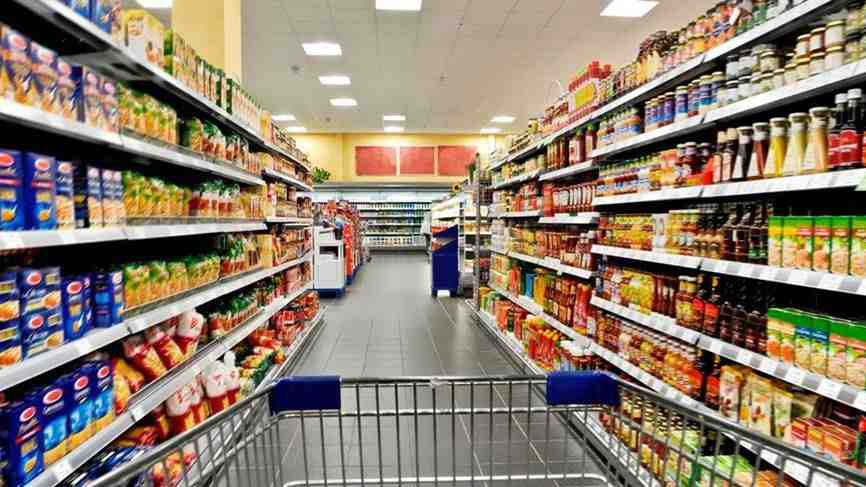
In trade, non-essential goods such as clothing, shoes, watches, and perfumes were the most affected due to lower demand, while food products remained relatively stable.
The War Deepens the Crisis and Delays Recovery
Chamseddine stressed that Lebanon has been suffering from a deep financial and economic collapse since 2019, with the state only able to provide basic services, pay salaries, and keep public institutions running.
He added that the recent war further complicated the crisis and delayed recovery efforts, highlighting key challenges such as restarting economic activity, restructuring the banking sector, recovering deposits, and ensuring basic services.
He concluded that a longer continuation of the war would have caused even greater economic damage, noting that the ceasefire, despite its fragility, helped avoid a worse scenario for the Lebanese economy.
He also said that previous growth expectations of up to 5% this year are now at risk and could turn into negative growth, with the coming months expected to be decisive for the country’s economic path.
In the end, today’s ceasefire may stop the fighting, but it does not end a crisis that continues to deepen day after day, economically and humanly, in a country still facing the consequences of a prolonged war on top of an ongoing financial collapse and rising living challenges.