




WORLD - April 24-30 is World Immunization Week as per the World Health Organization. This year’s theme is “For every generation, vaccines work.”
Vaccines have long been one of the most powerful tools in public health. Over the past 50 years, vaccines have saved more than 150 million lives , not by accident, but because ordinary people decided to protect themselves, their children, and their communities from diseases like measles, diphtheria, pertussis, polio, and rotavirus.
What are Vaccines?
Vaccination is a simple, safe, and effective way of protecting you against harmful diseases before you encounter them. It uses your body’s natural defenses to build resistance to specific infections and makes your immune system stronger.
Vaccines train your immune system to create antibodies, just as it does when it’s exposed to a disease. However, because vaccines contain only killed or weakened forms of germs like viruses or bacteria, they do not cause the disease or put you at risk of its complications.
What is in the Vaccine?
All the ingredients in a vaccine play an important role in ensuring a vaccine is safe and effective. These 4 ingredients include:
The Antigen: Antigens can be a killed or weakened form of a virus or bacteria, or a part of it, or genetic instructions (RNA or DNA) that tell our cells to make the antigen. Antigens train our bodies to recognize the germ and respond if exposed in the future.
Adjuvants: These help vaccines work better by boosting our immune response. Adjuvants like aluminum salts have been safely used in vaccines, helping them provide better and longer-lasting protection.
Preservatives: These help keep vaccines safe and effective by preventing contamination from germs that can grow in vaccine vials. An example is thiomersal, which has been safely used in some vaccines for decades.
Stabilizers. These protect vaccines during storage and transport, supporting their safety and efficacy even when exposed to heat, light and other environmental changes. Common stabilizers include sugar and gelatin.
Routine Vaccines to Get (According to the CDC):
Vaccine | Recommended Age / Group | Number of Doses / Schedule |
Influenza (Flu) | 19+ (all adults) | 1 dose every year |
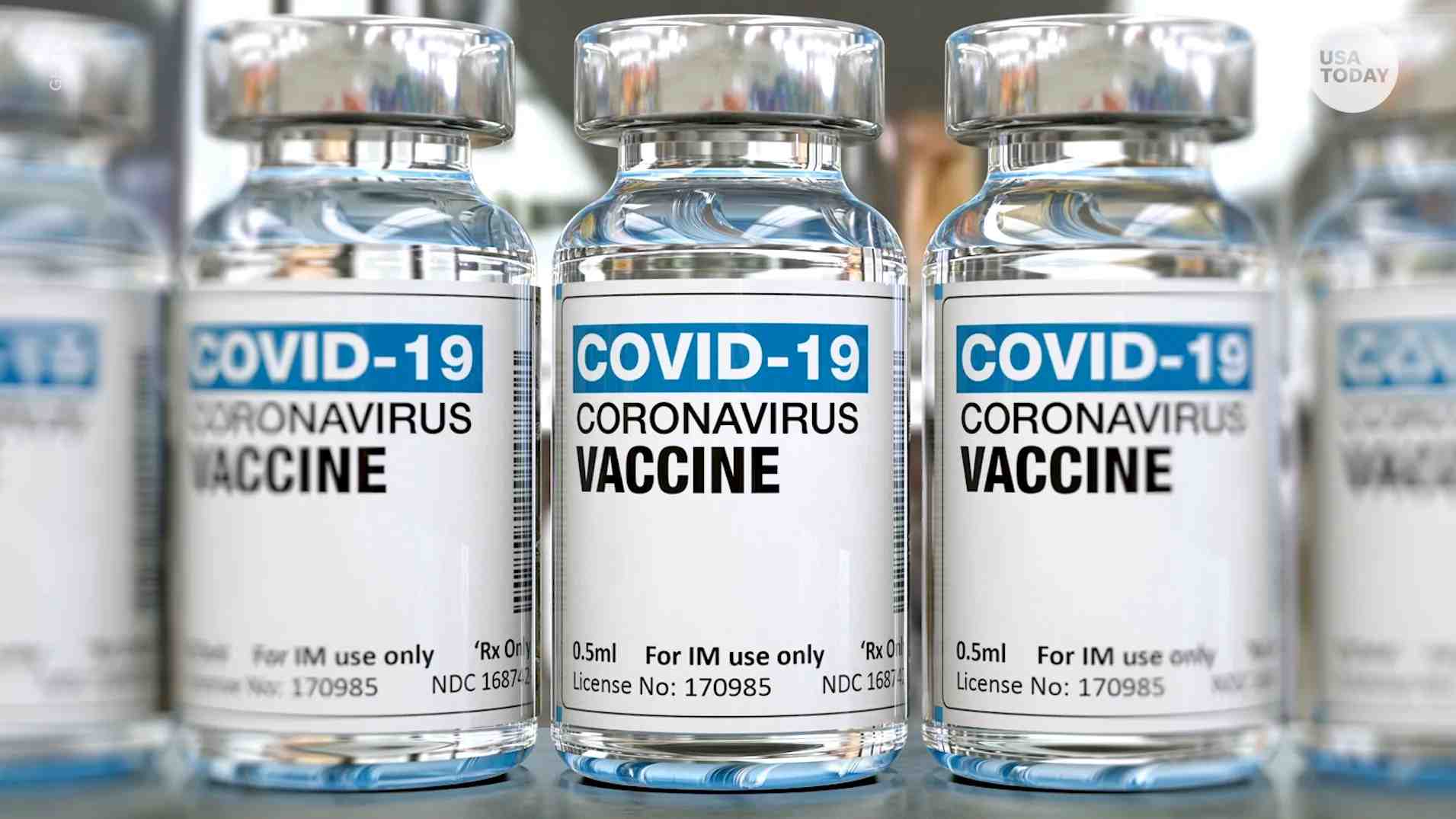
COVID-19 | 19+ (all adults) | At least 1 updated dose annually (some high-risk groups may need additional doses) |
Tdap / Td (Tetanus, Diphtheria, Pertussis) | 19+ | 1 dose Tdap once, then Td or Tdap booster every 10 years; 1 Tdap during each pregnancy |
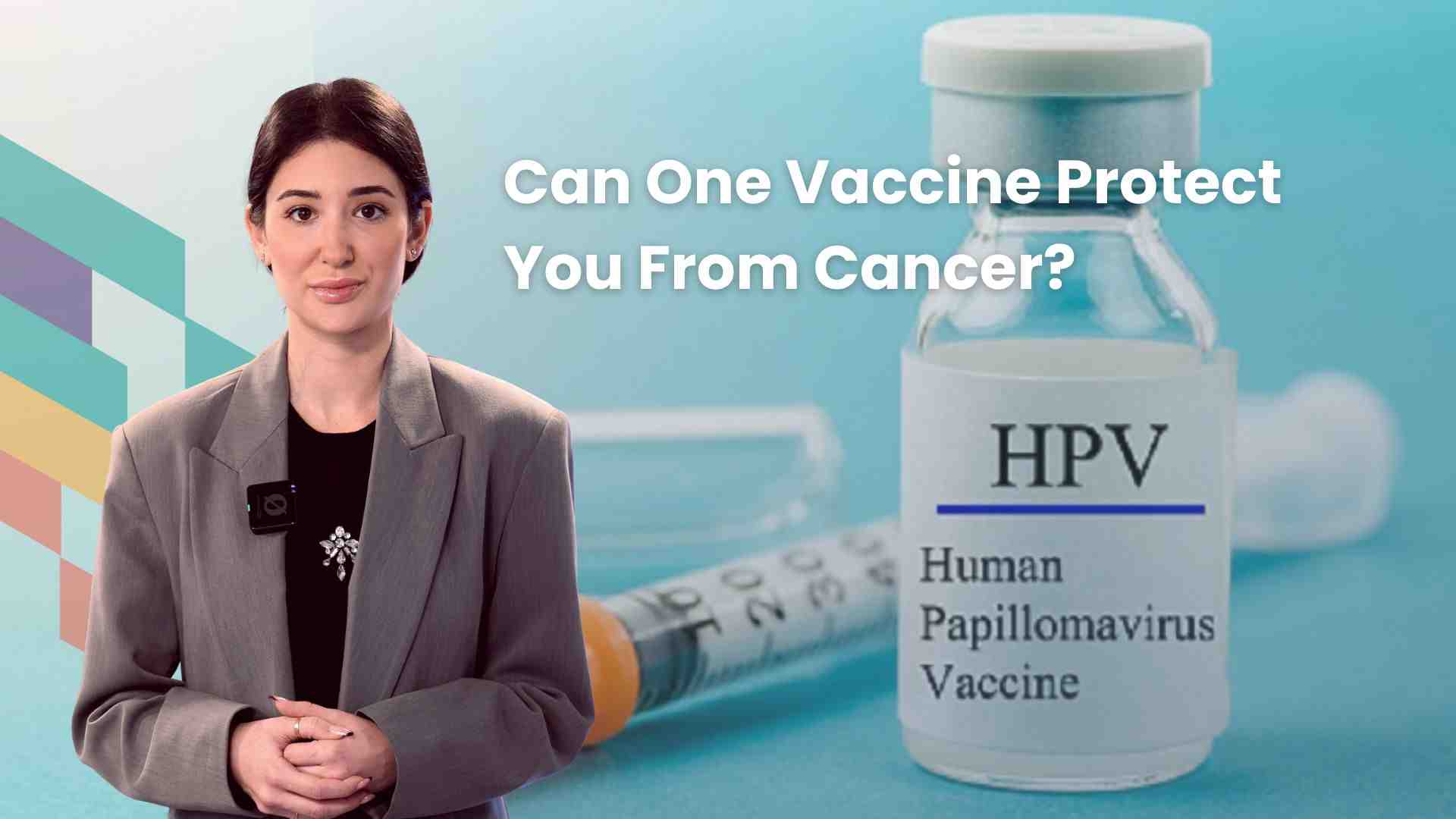
HPV (Human Papillomavirus) | Up to age 26 (routine), 27–45 based on risk/discussion | 2 doses (if started before age 15) or 3 doses (if 15+ or immunocompromised) |
Pneumococcal | 65+ or younger adults with risk conditions | 1 dose (PCV20) OR 2 doses (PCV15 + PPSV23) |
RSV (Respiratory Syncytial Virus) | 75+ (routine); 60–74 if at risk | 1 dose (currently not annual) |
Shingles (Herpes Zoster) | 50+ | 2 doses (2–6 months apart) |