






LEBANON - War rarely stops at the battlefield. It travels through ports, fuel lines, shipping routes, and fertilizer markets, until it arrives at the farmer's field. This is Lebanon's reality today.
Earlier this year, global agricultural markets looked relatively stable. The World Bank had expected agricultural prices to decline slightly in 2026 by around 2 percent. But the widening Middle East war changed the direction of the story. Energy prices are now projected to rise by 24 percent, overall commodity prices by 16 percent, fertilizer prices by 31 percent, and urea prices by nearly 60 percent.
If the conflict continues, Brent oil could average between $95 and $115 per barrel, while up to 45 million additional people could face acute food insecurity in 2026.
For Lebanon, the impact is direct because agriculture is built on fragile cost chains. Farmers need fuel to pump water and move produce, electricity to preserve crops, fertilizers to protect yields, feed to sustain livestock, and functioning trade routes to bring in inputs and move goods to market. So when oil prices rise, the effect does not stay in the energy sector. It quietly enters the price of vegetables, dairy, eggs, and bread.
But Lebanon's crisis goes beyond global economics. It is territorial.
According to the Ministry of Agriculture's April 2026 report, approximately 49,564 hectares of agricultural land have been affected by attacks, 22 percent of Lebanon's total farmable area.
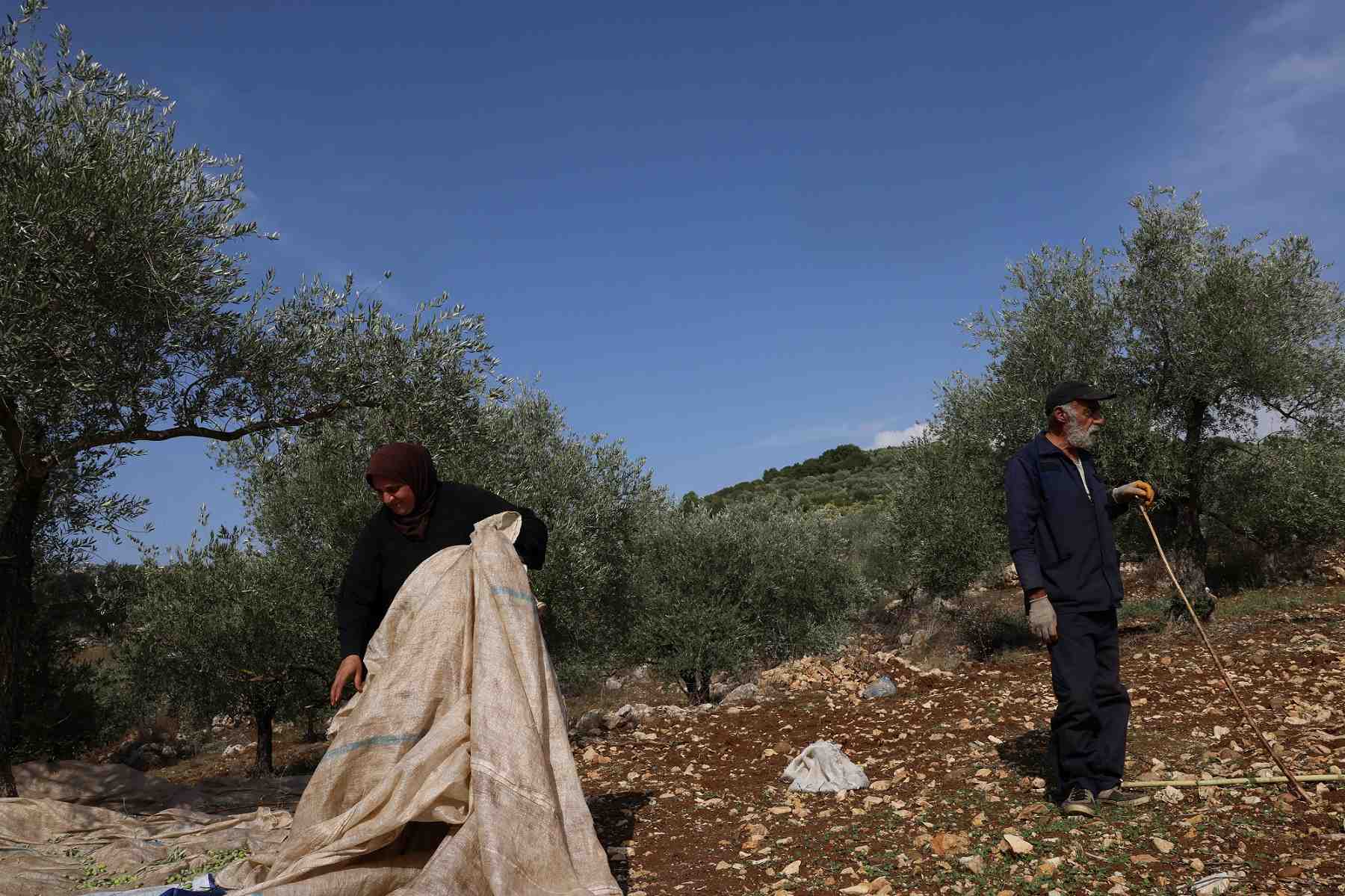
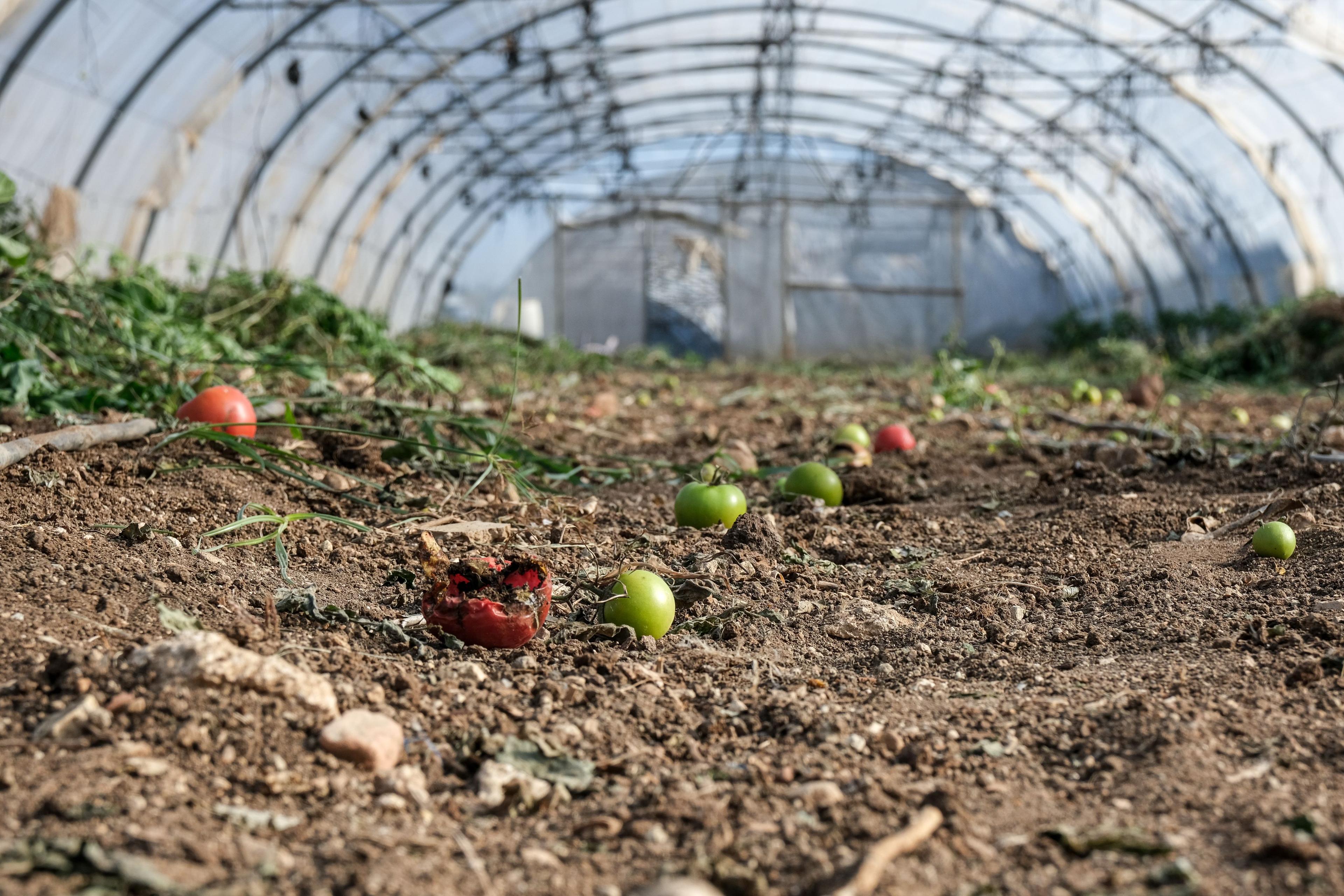
Nearly all of it is concentrated in the South and Nabatiyeh. Olive groves, citrus orchards, banana plantations, vineyards, greenhouses. Gone or inaccessible. Some 76.7 percent of southern farmers have been displaced. Nearly 78 percent cannot reach their land at all.
This is where the crisis becomes dangerous. Agriculture is not only a sector. It is income, food supply, family continuity, and a seasonal dependency on the land. If trees are not cared for, if animals are not fed, if crops are not harvested, the loss does not end when the fighting stops.
Because agriculture depends on continuous care and seasonal cycles, even a short disruption can destroy crops, kill livestock, and break future production. That means farmers don’t just lose one harvest: they lose income, resources, and the ability to recover for multiple seasons after the fighting ends.
FAO, WFP, and Lebanon’s government now estimate that around 1.24 million people in Lebanon could face crisis-level food insecurity or worse between April and August 2026.
The urgent needs are clear: fuel, seeds, feed, irrigation support, and safe access to land. But the longer-term question is more fundamental: will Lebanon treat agriculture as national infrastructure, worthy of strong cooperatives, investment in water management, crop diversification, and meaningful legal protection?
Because when war reaches the farm, it doesn’t only destroy a harvest.
It threatens a country’s food security, economic resilience, and continuity.