






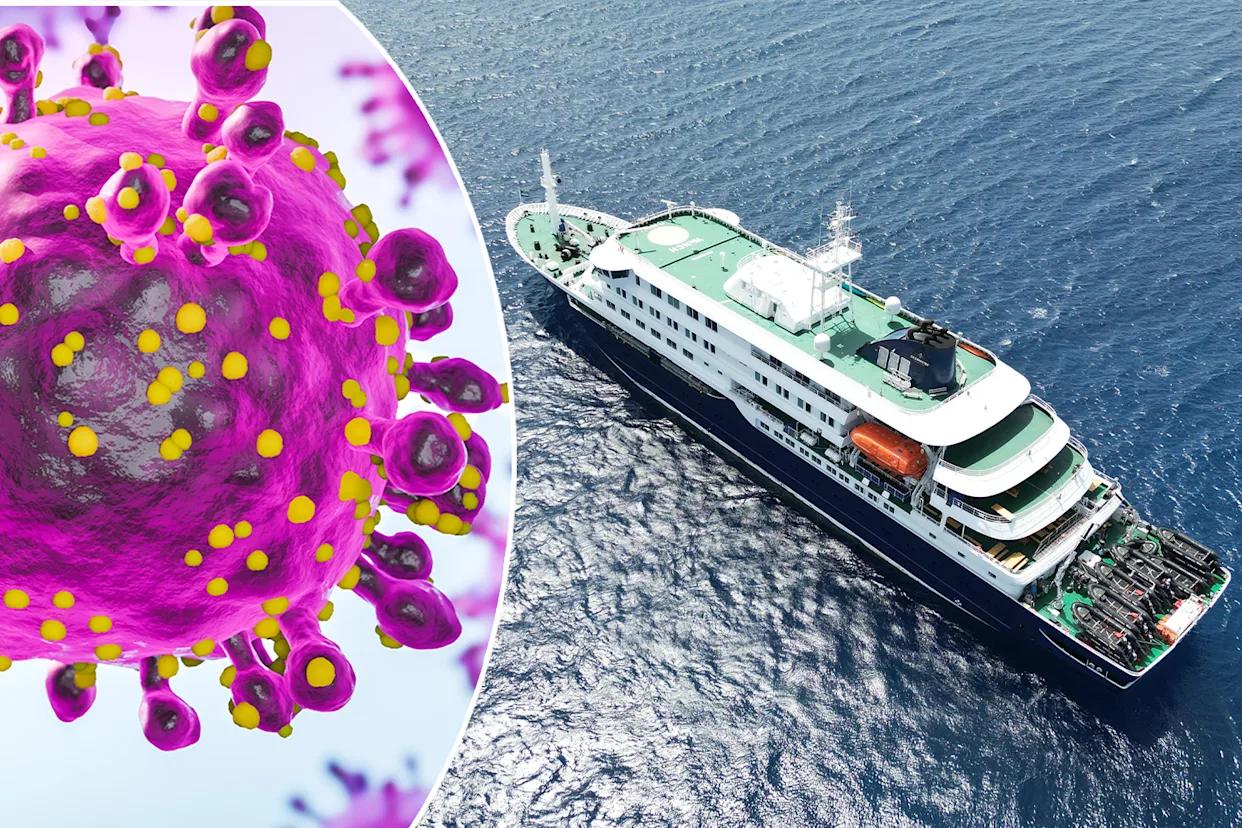
WORLD- Three people have died following a suspected hantavirus outbreak aboard a cruise ship sailing in the Atlantic Ocean, according to the World Health Organization (WHO).
The cases were reported on the MV Hondius, a cruise ship currently located off the coast of Cabo Verde. As of 4 May 2026, the WHO reported two laboratory-confirmed cases, five suspected cases, one critically ill patient, and three people with mild symptoms.
What Is Hantavirus?
Hantavirus refers to a group of viruses carried by rodents. Humans can become infected when they inhale airborne particles from the urine, droppings, or saliva of infected rodents, according to the US Centers for Disease Control and Prevention (CDC).
Hantaviruses can cause two main types of illness: Hantavirus Pulmonary Syndrome (HPS), which mainly affects the lungs, and Hemorrhagic Fever with Renal Syndrome (HFRS), which mainly affects the kidneys. Authorities have not yet confirmed which illness is linked to the cruise ship cases, although international media reports suggest it may be pulmonary hantavirus.
Symptoms of Hantavirus Pulmonary Syndrome often begin with flu-like signs such as fatigue, fever, and muscle aches. In some cases, the illness can progress within several days to coughing, shortness of breath, and fluid buildup in the lungs. HPS can be severe, with a reported mortality rate of around 40%.
Can Hantavirus Be Treated?
There is no specific treatment or cure for hantavirus infection. Medical care mainly focuses on managing symptoms and supporting the patient’s breathing and organ function.
According to the CDC, supportive care may include oxygen therapy, mechanical ventilation, antiviral medications in some cases, and dialysis when kidney function is affected. Patients with severe symptoms may require hospital admission, including intensive care. In the most serious cases, intubation may be needed.
Prevention remains central. The CDC recommends reducing contact with rodents in homes, workplaces, and other enclosed spaces. This includes sealing entry points in basements, attics, and storage areas, keeping food safely stored, and carefully cleaning areas where rodent droppings may be present.
What is Being Done?
WHO is coordinating with the National International Health Regulations (IHR) Focal Points of Cabo Verde, the Netherlands, South Africa, Spain, and the United Kingdom to ensure timely information sharing and coordinated response measures.
Epidemiological investigations are underway to determine the possible source of exposure. WHO has also activated a three-level coordination mechanism and is supporting national authorities in implementing risk-based and evidence-informed public health measures in line with the IHR and relevant WHO technical guidance.
How Risky is Hantavirus for the Wider Public?
WHO has stated that the risk to the wider public remains low.
“The risk to the wider public remains low. There is no need for panic or travel restrictions,” WHO Regional Director for Europe, Dr Hans Henri P. Kluge, said in a statement.
For now, the outbreak remains under investigation. While the incident is serious for those directly affected, health authorities continue to emphasize that hantavirus is usually linked to rodent exposure and does not typically spread easily between people. The case highlights the importance of early detection, transparent reporting, and coordinated public health response in travel and tourism settings.