






![Children play a game in a school-turned-temporary-shelter for displaced people, in Beirut, Lebanon, October 9, 2024. [Louisa Gouliamaki/Reuters]](/_next/image?url=https%3A%2F%2Fenmaeya-production.s3.eu-west-1.amazonaws.com%2Fglobal%2Fimage%2Fcecc6u4KXlPnBMFyKNyvGd3qy_1778143495812_AmvJV.jpg&w=3840&q=75 "Children play a game in a school-turned-temporary-shelter for displaced people, in Beirut, Lebanon, October 9, 2024. [Louisa Gouliamaki/Reuters]")
BEIRUT – In its latest update, the UN Office for the Coordination of Humanitarian Affairs (OCHA), in “Flash Update No. 23” covering the situation up to 4 May 2026, warned that Lebanon’s humanitarian and security situation continues to worsen, with more people being displaced and greater pressure on basic services.
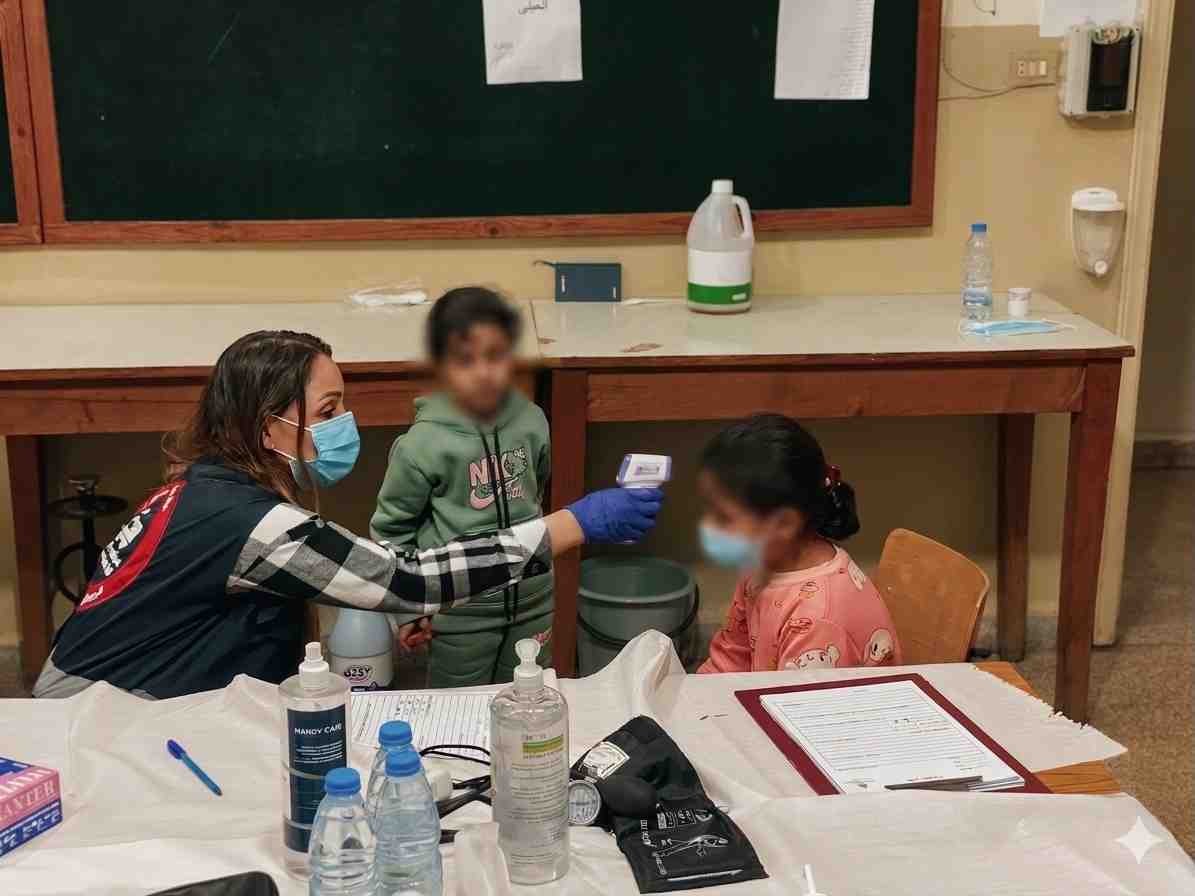
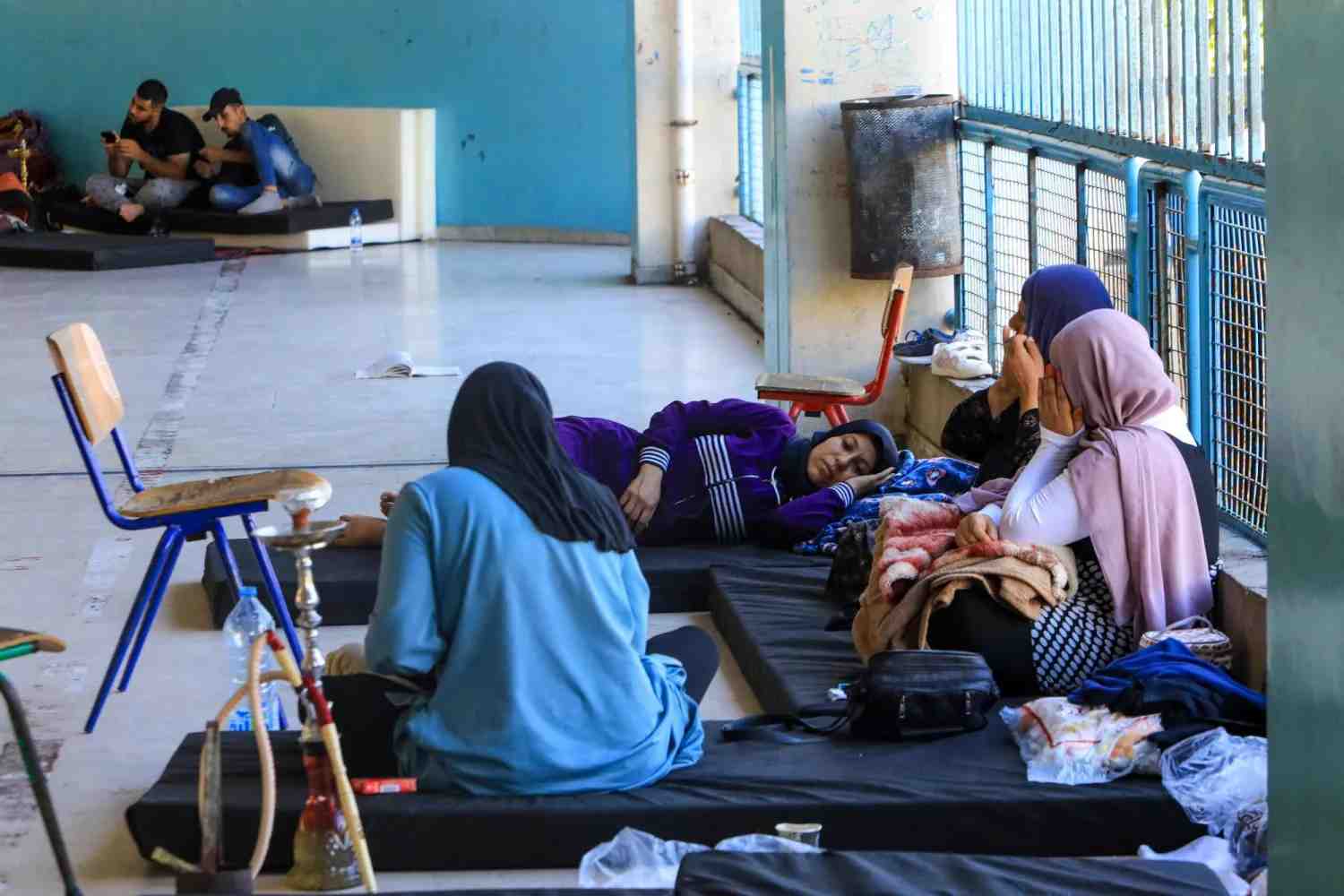
According to the report, more than one million people are still displaced across Lebanon. This includes over 124,000 people staying in 625 collective shelters, while most displaced families are living outside shelters, in rented homes or with host families.
The report said new displacement took place after evacuation orders were issued in 11 towns and villages in Nabatieh on 4 May, followed by airstrikes that caused casualties and forced more people to leave their homes.
It also warned that the water and sanitation sector (WASH) could face serious disruption by July 2026 if funding does not improve. This could affect key services like water delivery, hygiene supplies, and fuel needed for water systems.
In the health sector, the report highlighted growing risks of shortages in essential medicines, especially for chronic diseases, as well as medical supplies. This could worsen health conditions and increase pressure on hospitals and clinics.
On funding, only 38% of the humanitarian appeal has been covered so far—about $117 million out of $308 million needed—leaving a major gap in support.
The Ministry of Social Affairs has requested a three-month extension of the current humanitarian response plan (June–August 2026) to ensure aid continues during the ongoing crisis.