







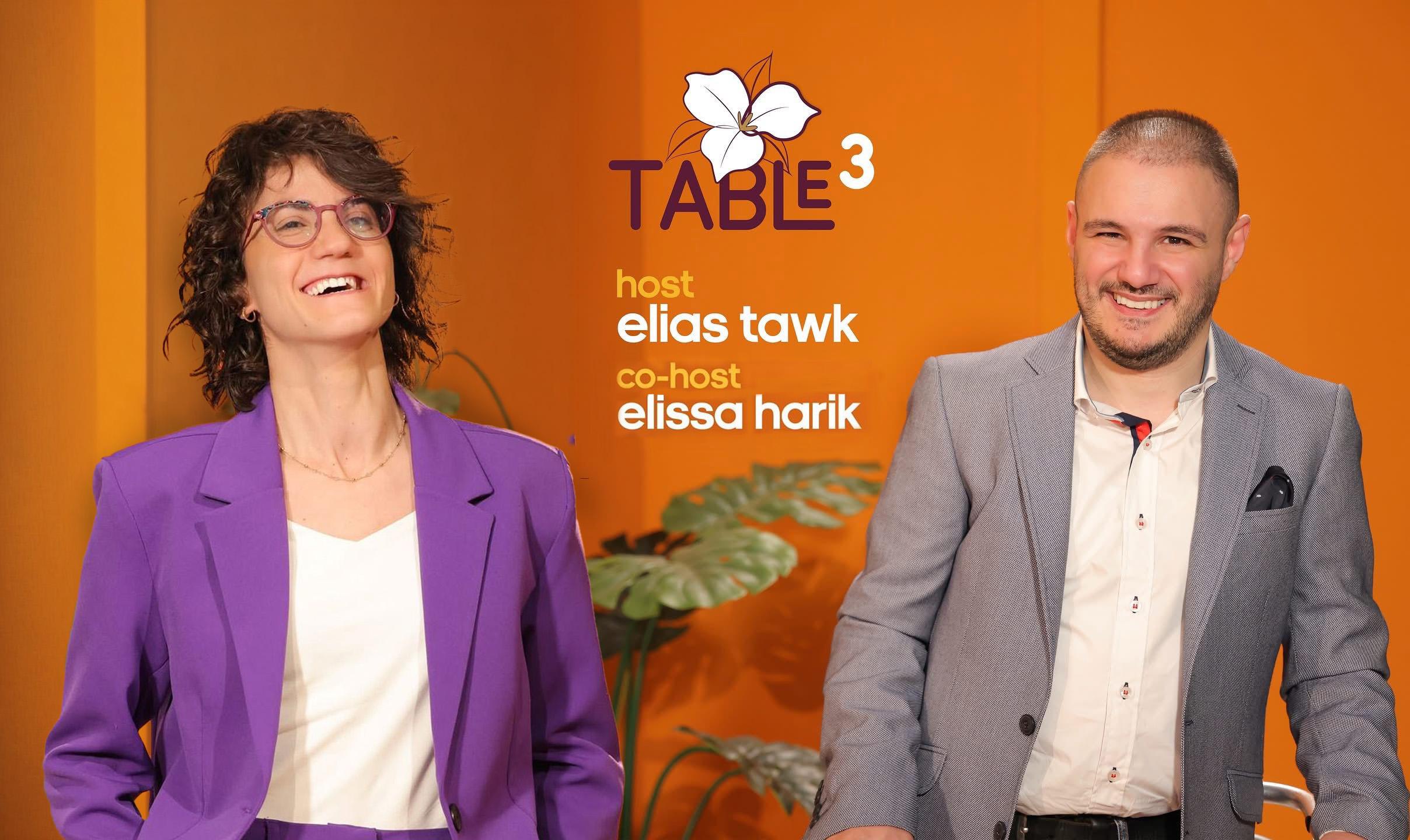
LEBANON – At a time when talk shows are increasingly driven by speed, interruptions, and the pursuit of “trends,” the program Table 3 chose to take a completely different path.
The project did not begin as a conventional television idea, but rather from an existential and human question: how can we create a space where people can slow down amid this fast and chaotic world, and truly feel heard?
In an exclusive interview with Enmaeya, LYNX, the media production company behind Table 3, shared the human vision and philosophy driving the show, noting that this question formed the core of the program’s identity and guided all artistic and visual decisions.
The goal was not to create a “television spectacle” but rather to build a genuine, honest space that allows people to connect beyond performance and spectacle.
The production company believes that emotional depth is created not through noise, but through small details: a shot that lingers a few seconds longer, a calmly asked question, or a space that allows the guest to simply be themselves.
Ultimately, the goal was for every viewer at home to feel that Table 3 reflects them.
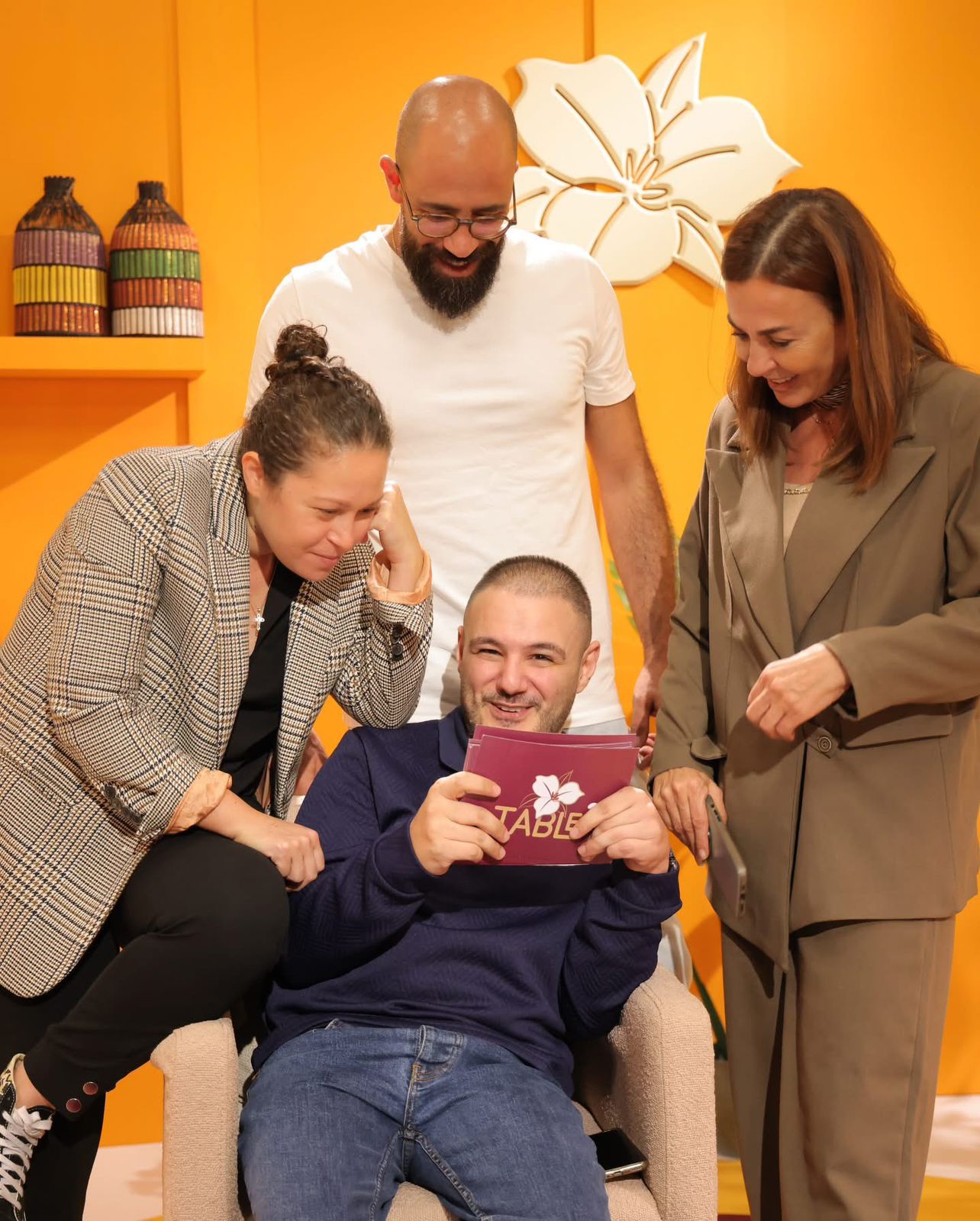
“The Third Voice”… The Spirit of the Program
The program’s logo, inspired by the “trillium” flower, symbolizes balance and the meeting of three voices in one shared space.
For the production company, its role goes beyond facilitating dialogue to creating a safe and honest environment where human connection matters more than media spectacle.
“The third voice” also represents the audience, as viewers are treated as active participants who can see their own fears, hopes, and questions reflected in the conversations.
Another meaning is silence, with the program intentionally creating space for reflection and attentive listening in a fast-paced media environment.
The presence of Elias and Elissa played an important role in expressing this philosophy, as their different styles of communication encouraged deeper listening.
Even the idea of the “table” itself reflects Lebanese homes, where people gather despite differences to share conversations and human stories.

Returning Dialogue to Its Natural Place
From the outset, a clear decision was made not to host “cases,” “trends,” or pre-packaged media images, but real individuals with authentic experiences, messages, and human stories.
Even the selection of Elias and Elissa was a fundamental part of this approach.
In traditional media, featuring a person with cerebral palsy or Dandy-Walker syndrome on screen is often treated as a "challenge".
However, the team saw it differently. Their question was: who decided that one person’s voice should be valued more than another’s?
From there, Table 3 became more than just a talk show; it became a space that redefines whose voices are heard and how media can become more just, honest, and human.
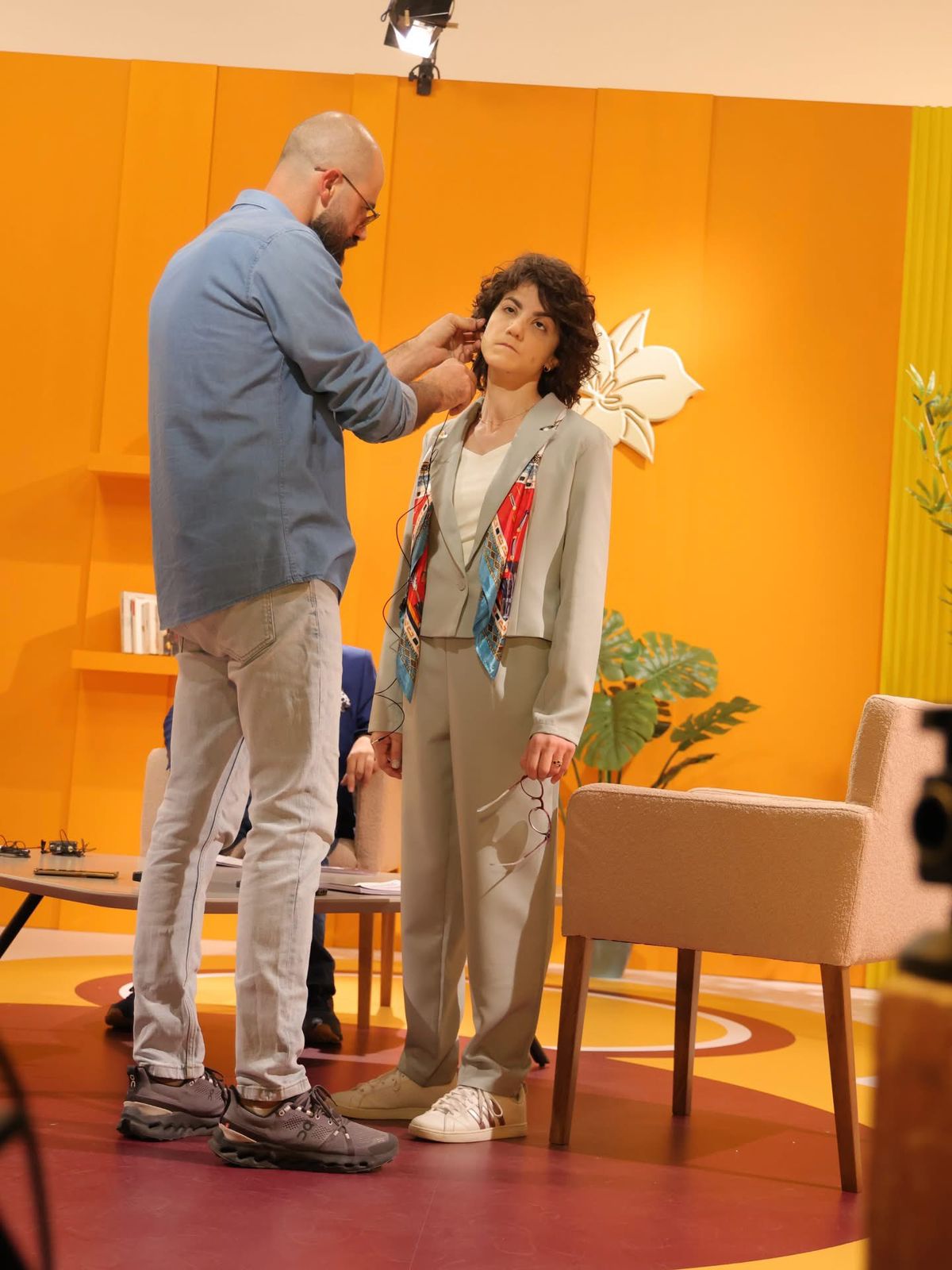
SESOBEL… The Foundation Shaping the Program’s Identity
The experiences of Elias and Elissa, especially through their work with SESOBEL, became an important part of the program’s identity.
Rather than creating television personas, the production focused on presenting them authentically and naturally.
Their daily interactions with people and real-life stories strengthened their ability to listen and empathize, qualities that resonate with both guests and viewers.
The production team aimed to create an environment where this authenticity could emerge naturally, while also bringing viewers closer to the fears, dreams, and human experiences often absent from traditional media.
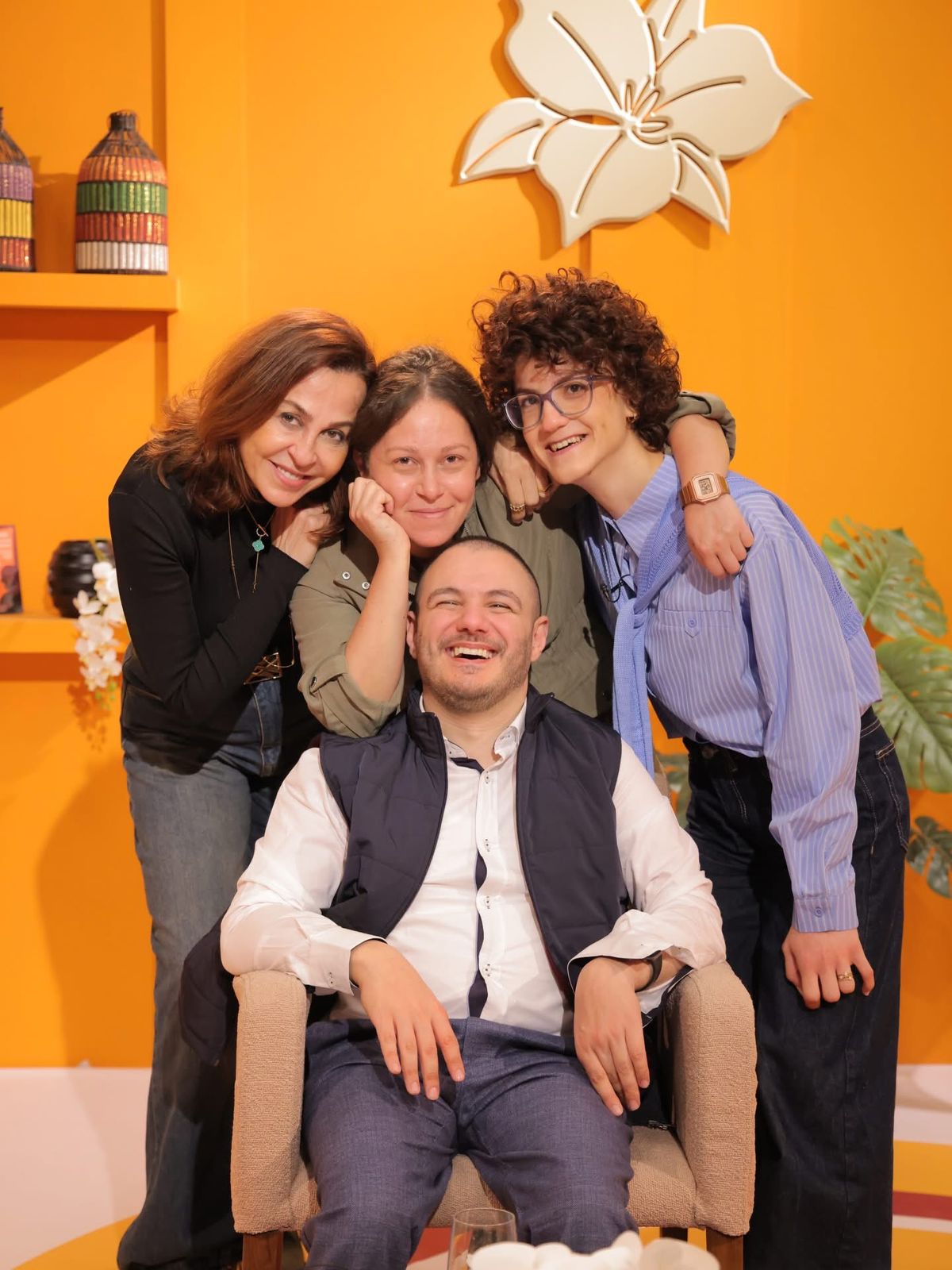
Elias and Elissa… A Partnership Built on Truth, Not Performance
Over more than 12 years of collaboration with SESOBEL, the team came to recognize Elias’s remarkable ability to connect with people.
His presence, charisma, attentive listening, and way of asking questions put those around him at ease and encouraged honest conversation.
It also became clear that he carries a simple, meaningful aspiration: to have his voice heard and to express his views like anyone else, not to prove anything, but because he has ideas, questions, and perspectives that deserve to be heard.
Elissa’s experience, on the other hand, was different and deeper. Her slow speech imposed a completely different rhythm on both the production team and the audience.
The program is not made “for them,” but “with them,” because their natural place is at the heart of the dialogue and the media landscape.