





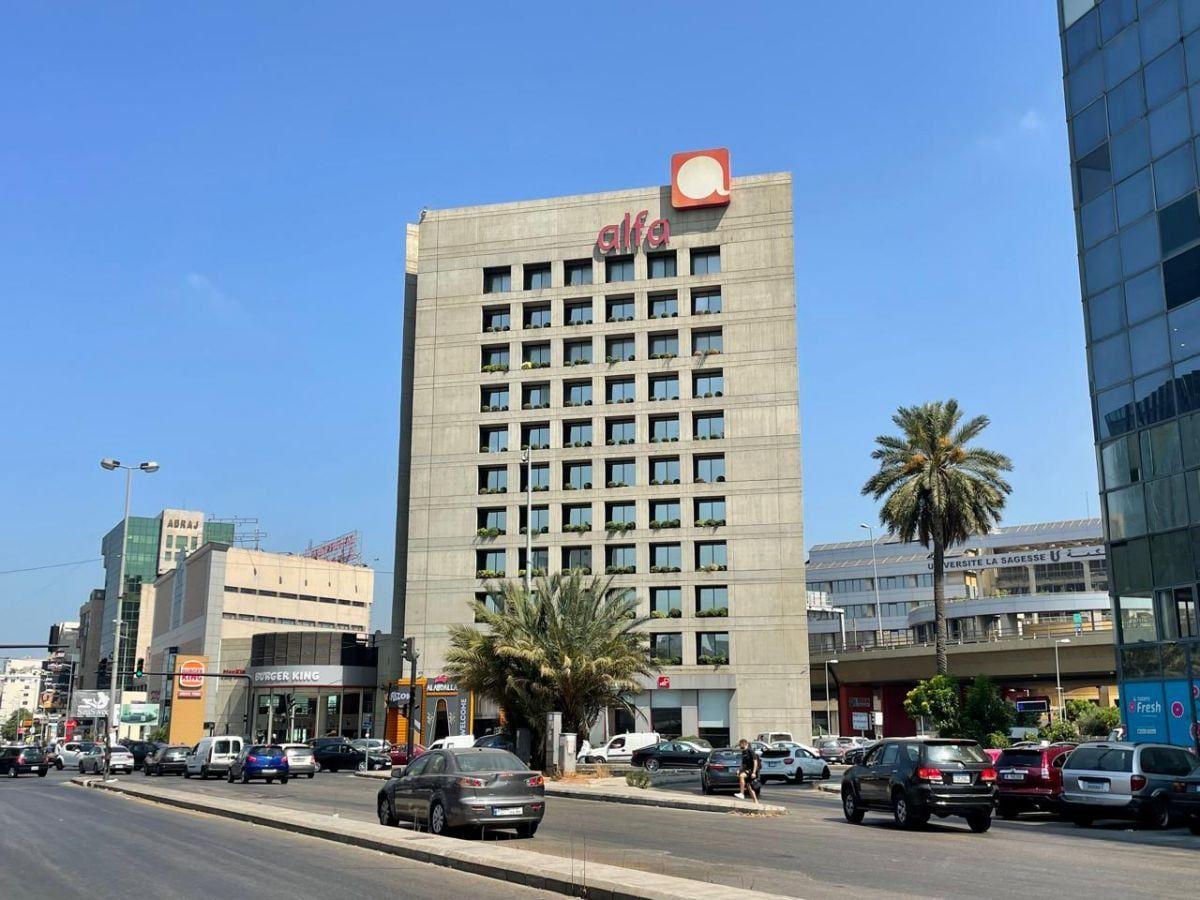
LEBANON – On World Telecommunications and Information Society Day, Lebanon is attempting to reposition its digital future through an ambitious but challenging roadmap that places telecommunications at the center of its economic recovery strategy.
In an exclusive interview with Enmaeya, the Ministry of Telecommunications outlined its long-term vision to restore Lebanon’s role as a regional hub for connectivity and digital services, relying on both its strategic geographic location and the technical expertise of its workforce.
At the heart of this vision is a gradual but structured transition toward next-generation connectivity, including the phased introduction of 5G services within a three-year plan.
This comes alongside broader efforts to modernize aging infrastructure, expand the national fiber-optic network, and improve overall service quality.
Officials emphasize that telecommunications is no longer viewed merely as a utility sector, but as a foundational pillar for any digital economy capable of supporting innovation, startups, and small and medium-sized enterprises.
However, the path toward this transformation is constrained by structural and operational challenges that have accumulated over time.
Parts of the network remain outdated, operational costs continue to rise—particularly due to fuel expenses—and infrastructure damage in certain areas has further complicated maintenance and expansion efforts.
Despite these obstacles, coordinated teams from the Ministry, Ogero, and the two mobile operators are actively engaged in rehabilitation work aimed at restoring stability, improving internet performance, and gradually extending coverage across the country.
Beyond infrastructure, the Ministry is also focusing on the regulatory and investment environment, aiming to establish a more stable framework that can attract international technology companies and restore investor confidence.
The underlying objective is not only to modernize telecommunications services but also to position Lebanon as a competitive destination for digital investment, building on its human capital and regional connectivity potential.
A significant dimension of this strategy is youth engagement. The Ministry is working with universities and the private sector to develop digital skills programs, with the aim of creating employment opportunities that can slow the ongoing emigration of skilled professionals.
Lebanese youth are consistently described as highly capable in fields such as technology and engineering, yet the central challenge remains the lack of sufficient local opportunities to retain this talent and transform Lebanon from an exporter of human capital into a producer of digital innovation.
Taken together, the Ministry’s roadmap reflects an attempt to turn systemic challenges into entry points for reform, where infrastructure development, investment facilitation, and human capital development are interconnected.
While the ambitions are clear and forward-looking, their success will ultimately depend on sustained implementation, institutional coordination, and the ability to translate strategic plans into tangible improvements on the ground.