







BEIRUT — Lebanon reopened the Cinematheque Libanaise, reviving the country’s national film archive after years of closure in a move aimed at preserving Lebanon’s cinematic heritage amid prolonged instability and conflict.
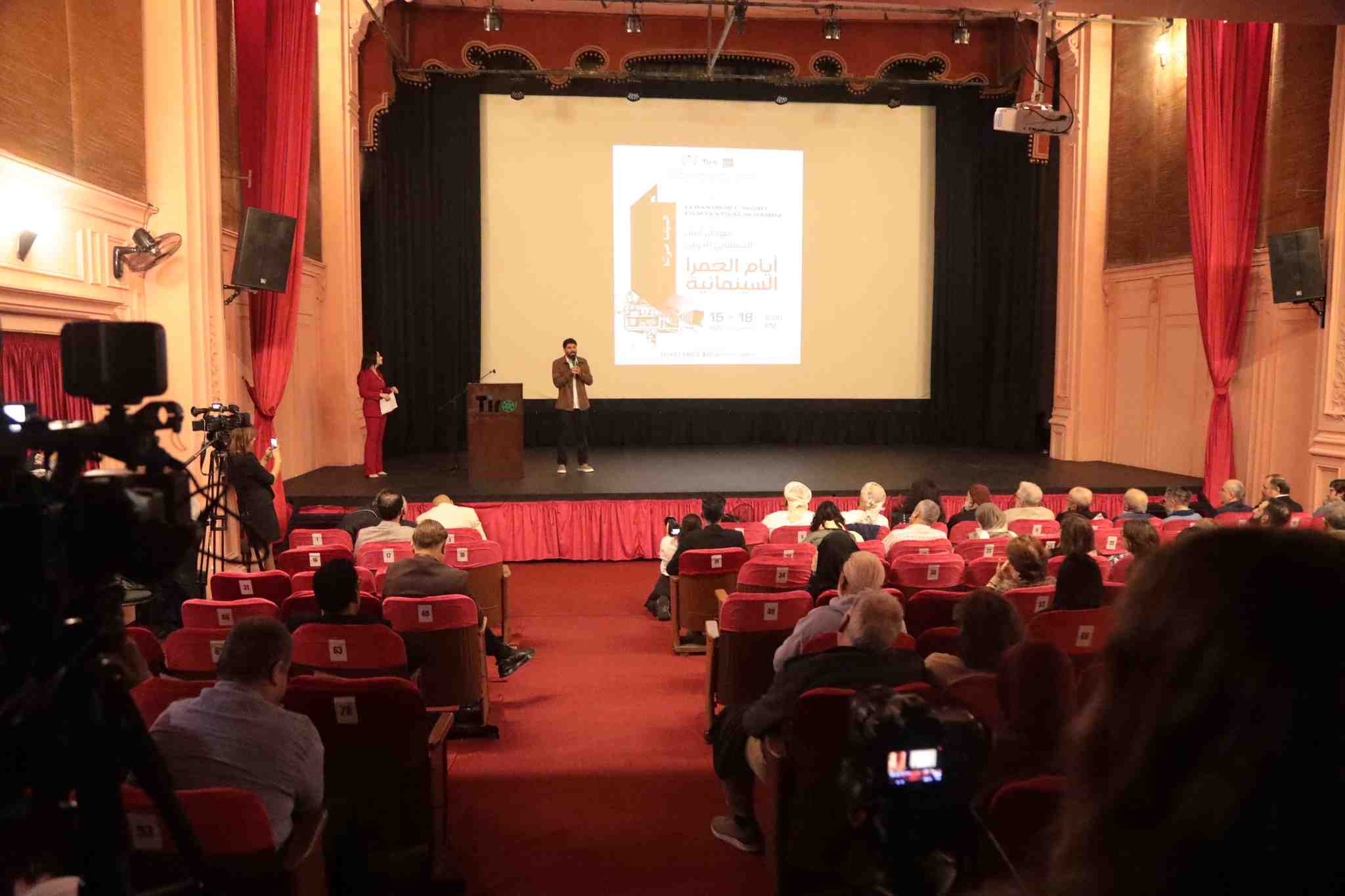
The reopening ceremony took place at the National Library in Beirut and was attended by Culture Minister Ghassan Salame, according to Lebanon’s state-run National News Agency. An accompanying exhibition showcasing archived Lebanese film material, including photographs, posters and historical documents, was also unveiled to the public.
Originally established in 1999 by former Culture Minister Mohammed Youssef Baydoun, the Cinematheque Libanaise was launched as part of broader cultural initiatives tied to Beirut being named the Arab Cultural Capital by UNESCO that same year.
Located in Beirut’s Verdun district, the archive once housed cataloged films and audiovisual records documenting Lebanon’s filmmaking history. However, the institution was eventually shuttered amid chronic bureaucratic dysfunction and corruption, with local reports suggesting it had been inactive for nearly a decade.
Efforts to preserve Lebanon’s cinematic memory predate the archive itself. In 1969, filmmaker and Beirut Film Club co-founder Maurice Akl began assembling what would have become Lebanon’s first film archive. His collection was destroyed in 1975 after shelling struck his office at the outbreak of the Lebanese civil war.
Despite decades of war, political crises and economic collapse, Lebanon’s cinema industry has maintained an international presence. Lebanese productions such as West Beirut, The Insult and Capernaum earned global acclaim and major festival recognition, including Academy Award nominations.
The reopening of the Cinematheque Libanaise comes as cultural institutions in Lebanon face mounting financial pressure, while artists and archivists continue efforts to protect the country’s cultural identity during one of the most difficult periods in its modern history.