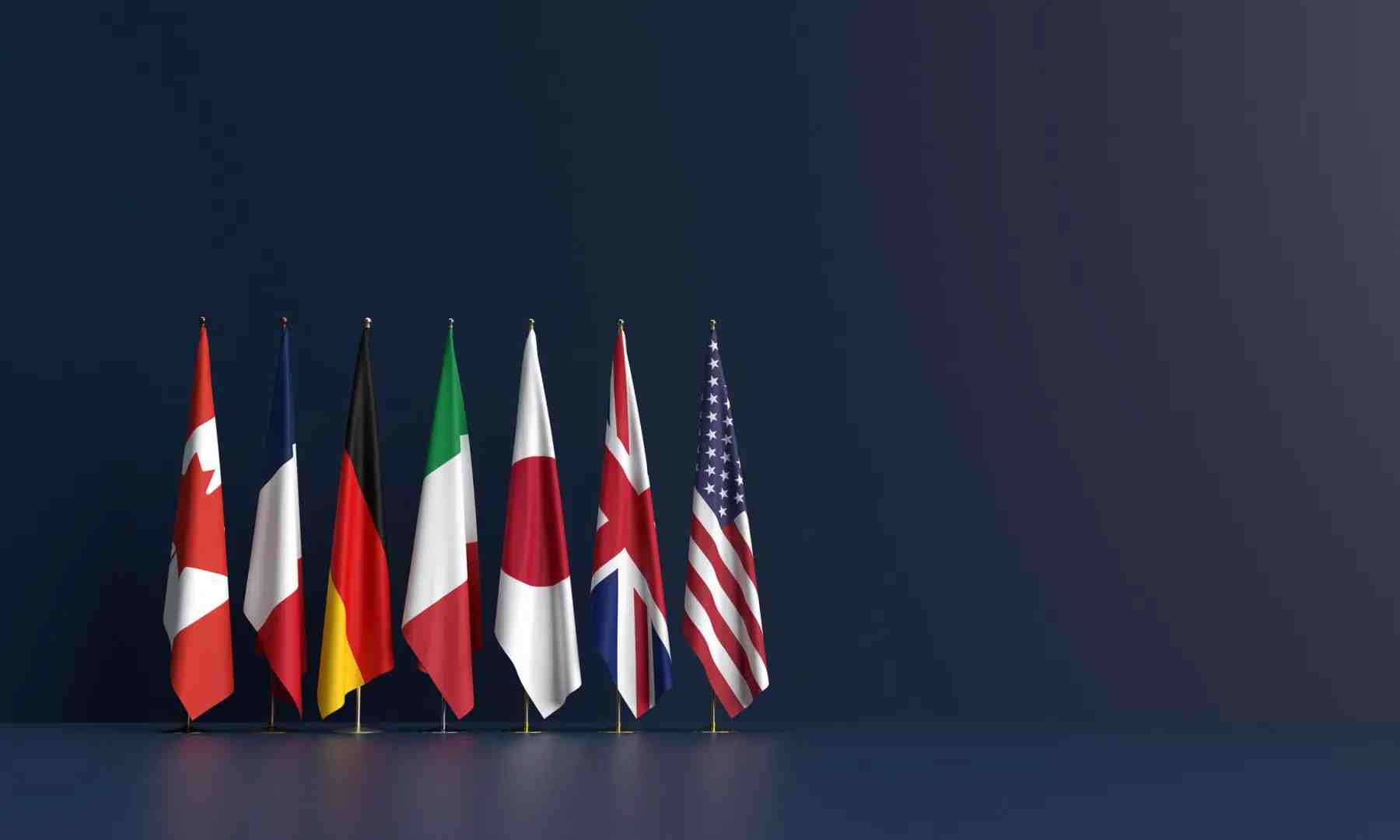








WORLD - Finance ministers from the Group of Seven (G7) nations will gather in Paris on May 18 for talks focused on growing global economic tensions, trade imbalances, and the world’s dependence on China for critical raw materials.
The two-day meeting comes at a sensitive moment for the global economy, as divisions between major powers deepen and ongoing conflicts continue to weigh on financial markets and supply chains.
A key issue on the agenda is how the world’s largest economies can address long-term economic imbalances that are increasing trade disputes and creating instability in global markets.
“The way the global economy has been developing for the past 10 years or so is clearly unsustainable,” French Finance Minister Roland Lescure said ahead of the meeting.
The Paris talks follow a recent summit in Beijing between U.S. President Donald Trump and Chinese President Xi Jinping. While the meeting projected a friendly tone publicly, it produced few major economic agreements. Tensions between Washington and Beijing remain high over trade, Taiwan and broader geopolitical competition.
Philip Luck, director of the economics program at the Center for Strategic and International Studies, said it would be difficult for Washington to endorse any wording suggesting that the United States bears partial responsibility for current global economic tensions.
Finance ministers are also expected to discuss the economic impact of the conflict in the Middle East, including concerns over shipping routes and energy supplies.
Particular attention is being paid to the Strait of Hormuz, a vital global oil transit route, after the Trump administration allowed a sanctions waiver on Russian seaborne oil to expire over the weekend.
Britain’s finance minister Rachel Reeves is expected to push for coordinated action to ease inflation and reduce pressure on global supply chains, according to the British finance ministry.
Another major focus of the talks is reducing dependence on China for critical minerals and rare earth materials, which are essential for electric vehicles, renewable energy technologies and defence industries.
China currently dominates many of these supply chains, raising concerns among G7 governments about economic security and future disruptions. Lescure said countries were discussing ways to better monitor mineral markets, develop alternative suppliers and cooperate on joint projects to prevent any one country from controlling access to key materials.
Possible measures being considered include coordinated purchases, investment incentives and tariffs aimed at strengthening domestic production.
Still, experts say progress is likely to be slow. Luck said G7 countries are only beginning to develop a shared strategy on critical minerals, and major disagreements remain over how such plans should work in practice.
The Paris meeting is also seen as preparation for the next G7 leaders summit, scheduled to take place in the French town of Evian from June 15 to 17.