




LEBANON - Lebanon’s museums preserve the country’s layered identity across archaeology, art, memory, and craft. Despite ongoing challenges, they remain vital spaces that connect Lebanon’s ancient past with its modern cultural life.
1. National Museum of Beirut
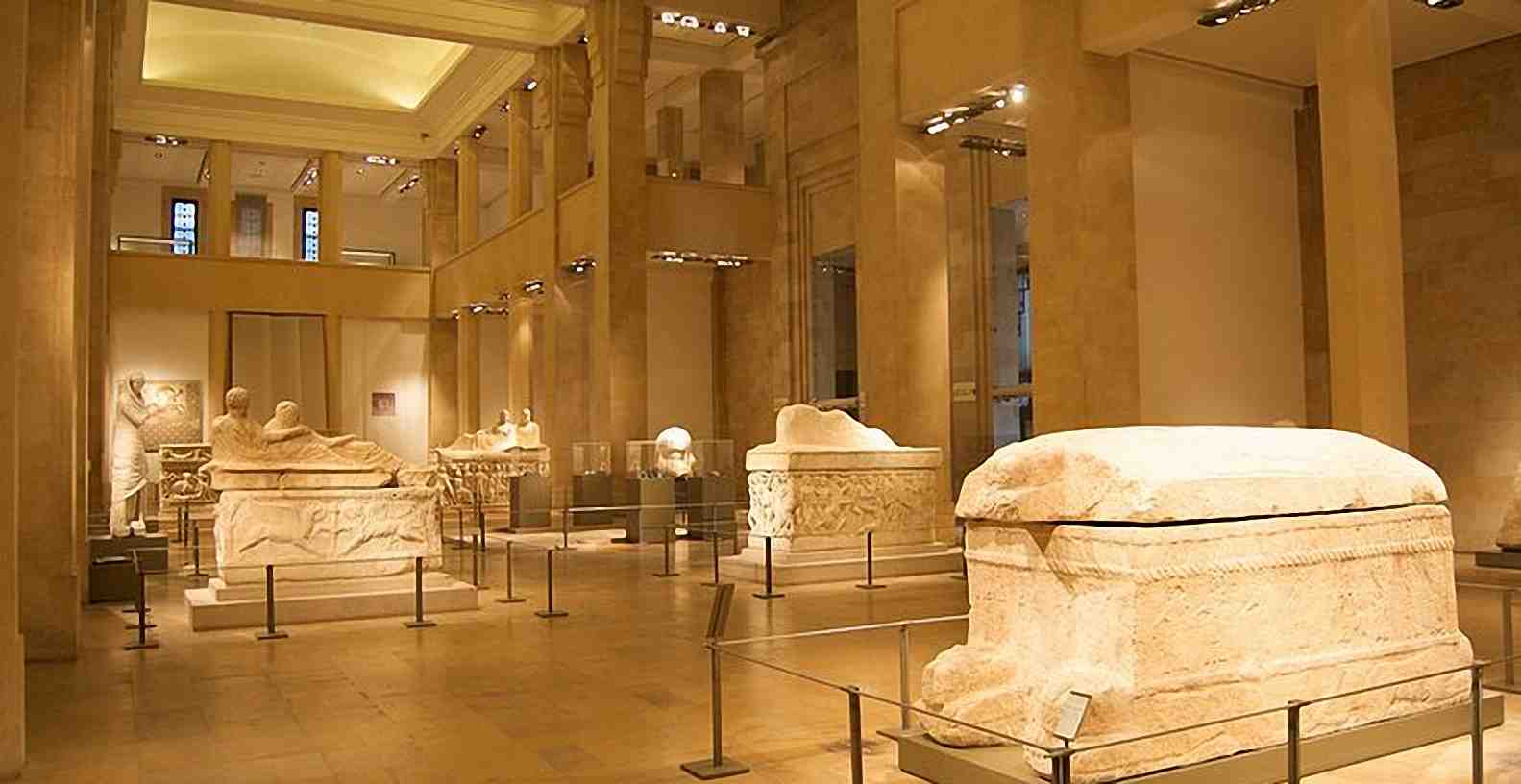
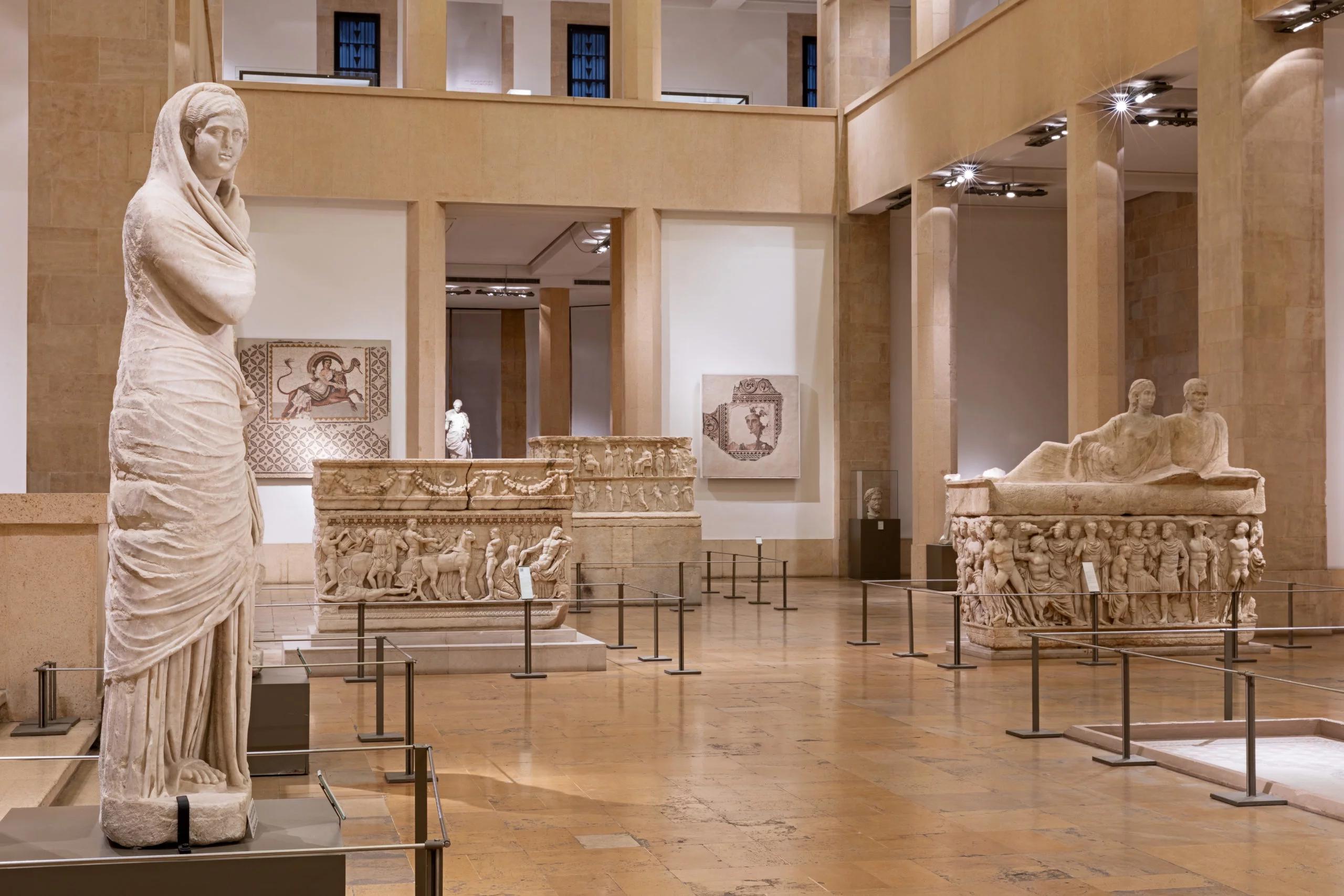
The National Museum of Beirut is Lebanon’s main archaeological museum, showcasing artifacts from prehistoric to Islamic periods. It is especially known for its Phoenician and Roman collections. During the civil war, its concrete-protected artifacts became a symbol of survival.
2. Sursock Museum
The Sursock Museum is a leading contemporary art museum in a restored 19th-century mansion. It hosts rotating exhibitions of Lebanese and international modern art. Its post-explosion restoration made it a symbol of Beirut’s cultural resilience.
3. MIM Mineral Museum
The MIM Mineral Museum displays one of the region’s richest private collections of minerals and fossils. Its modern design highlights crystals and geological specimens in an immersive way. It offers a scientific perspective on Lebanon’s natural heritage.
4. Beit Beirut
The Beit Beirut is a war-damaged building turned museum on the former Green Line. It preserves civil war memory through architecture, photos, and testimonies. The building itself is part of the exhibition.
5. Gibran Museum
The Gibran Museum is dedicated to the writer Kahlil Gibran. It houses his personal belongings and works in a quiet mountain setting. The museum reflects his spiritual and literary legacy.
6. Soap Museum (Sidon)
The Soap Museum is set in a historic khan and documents traditional olive oil soap production. It explains centuries-old craft techniques and trade. It turns everyday heritage into a cultural experience.
7. Byblos Fossil Museum
The Byblos Fossil Museum features marine fossils from millions of years ago. Located in ancient Byblos, it connects Lebanon to deep geological history. It is a small but unique scientific museum.
Lebanon’s museums reflect a country built on layers of history, creativity, and memory. From ancient civilizations to modern art and war memory, they preserve what Lebanon has been and continues to become.