







WORLD – In analysis published by the World Economic Forum, artificial intelligence (AI) is rapidly becoming one of the most influential technologies in the world. In only a few years, AI has moved from being an experimental technology to becoming a major driver of productivity, innovation, and economic growth.
Today, AI is also playing an increasingly important role in addressing climate change and accelerating the global energy transition.
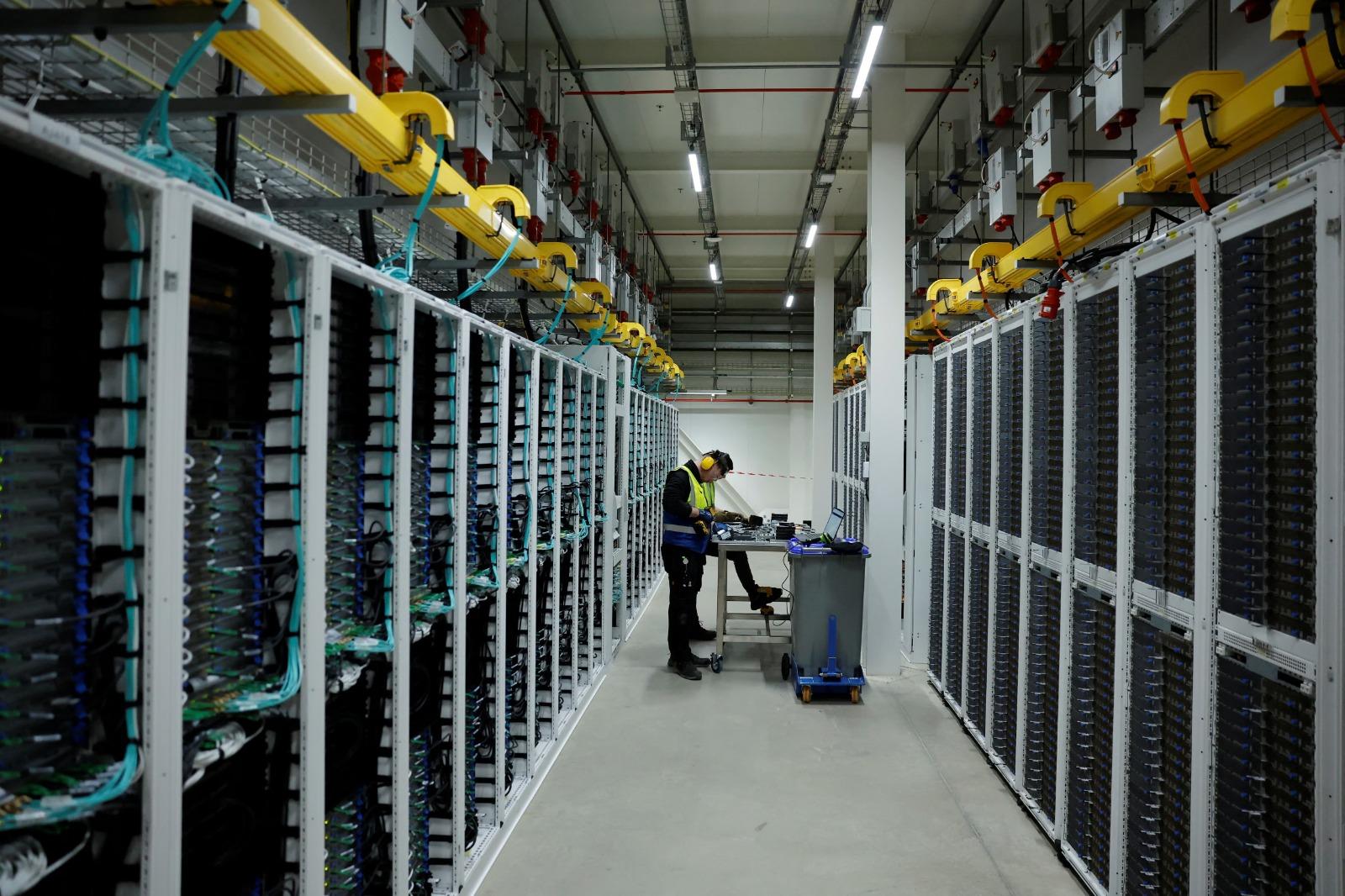
Although AI systems require large amounts of electricity to operate, experts believe their environmental benefits could outweigh their energy consumption.
A recent KPMG report highlights how AI can support cleaner and more sustainable energy systems worldwide.
AI Supporting Climate Solutions
According to the KPMG study, AI is helping industries reduce emissions and improve energy efficiency across many sectors.
AI technologies can predict electricity demand, optimize energy use, and improve the integration of renewable energy sources such as solar and wind power.
AI is also helping companies identify climate risks, reduce waste, and improve sustainability strategies. In sectors such as manufacturing, transport, agriculture, and construction, AI is creating more efficient systems that support environmental goals.
Reducing Dependence on Coal
One of AI’s most important contributions is its role in supporting the transition away from coal-fired power plants. Coal remains one of the world’s largest sources of electricity and carbon emissions, especially in developing economies.
AI helps energy providers manage renewable energy more effectively by balancing electricity supply and demand in real time. This makes renewable energy systems more reliable and helps countries reduce their dependence on fossil fuels.
The report also notes that many large technology and AI companies are expected to invest directly in renewable energy projects to meet their growing electricity needs.
Challenges Facing the Energy Transition
Despite the positive outlook, the transition toward cleaner energy still faces several obstacles.
The report highlights challenges such as outdated infrastructure, slow policy implementation, financing difficulties, and limited electricity grid capacity.
Another major issue is timing. AI technologies can develop very quickly, while renewable energy infrastructure often takes years to build. This creates a growing gap between increasing energy demand and the pace of clean energy development.
In addition, some companies remain reluctant to fully commit to renewable energy if it increases operational costs or slows technological expansion.
The Need for Global Cooperation
The report stresses that governments, investors, technology companies, and energy providers must work together to overcome these barriers. Policymakers are encouraged to modernize electricity grids, speed up renewable energy permits, and encourage investment in sustainable infrastructure.
Experts believe that stronger cooperation and better policies will be essential to ensuring that AI contributes positively to climate goals rather than increasing environmental pressures.
AI as a Driver of Climate Progress
Despite concerns about its energy consumption, AI is increasingly being viewed as a major accelerator of climate progress. By improving efficiency, supporting renewable energy systems, and helping industries reduce emissions, AI could play a critical role in building a cleaner and more sustainable future.
The challenge ahead is not to slow down AI development, but to guide it responsibly. With the right investments and international cooperation, AI may become one of the most powerful tools in the global fight against climate change.