







WORLD — The Seventy-ninth World Health Assembly takes place between May 18 and May 23, 2026, in Geneva, bringing together representatives from more than 190 countries to discuss major global health priorities and strengthen international cooperation on health challenges.
Organized by the World Health Organization, this year’s Assembly is focusing on pandemic preparedness, strengthening healthcare systems, antimicrobial resistance, mental health, and improving emergency response capacities.
Delegates are also reviewing progress on the proposed WHO Pandemic Agreement, including negotiations related to pathogen sharing and global coordination during future health emergencies.
Other key discussions include expanding immunization coverage, accelerating efforts to eliminate malaria and tuberculosis, strengthening primary healthcare services, and advancing digital health and artificial intelligence in healthcare systems.
Member states are additionally considering a new Global Action Plan on Antimicrobial Resistance for 2026–2036, as well as strategies aimed at improving access to healthcare and reducing inequalities worldwide.
Lebanon was also highlighted during the Assembly after member states approved a Lebanon-led proposal addressing the impact of the conflict on the country’s healthcare system.
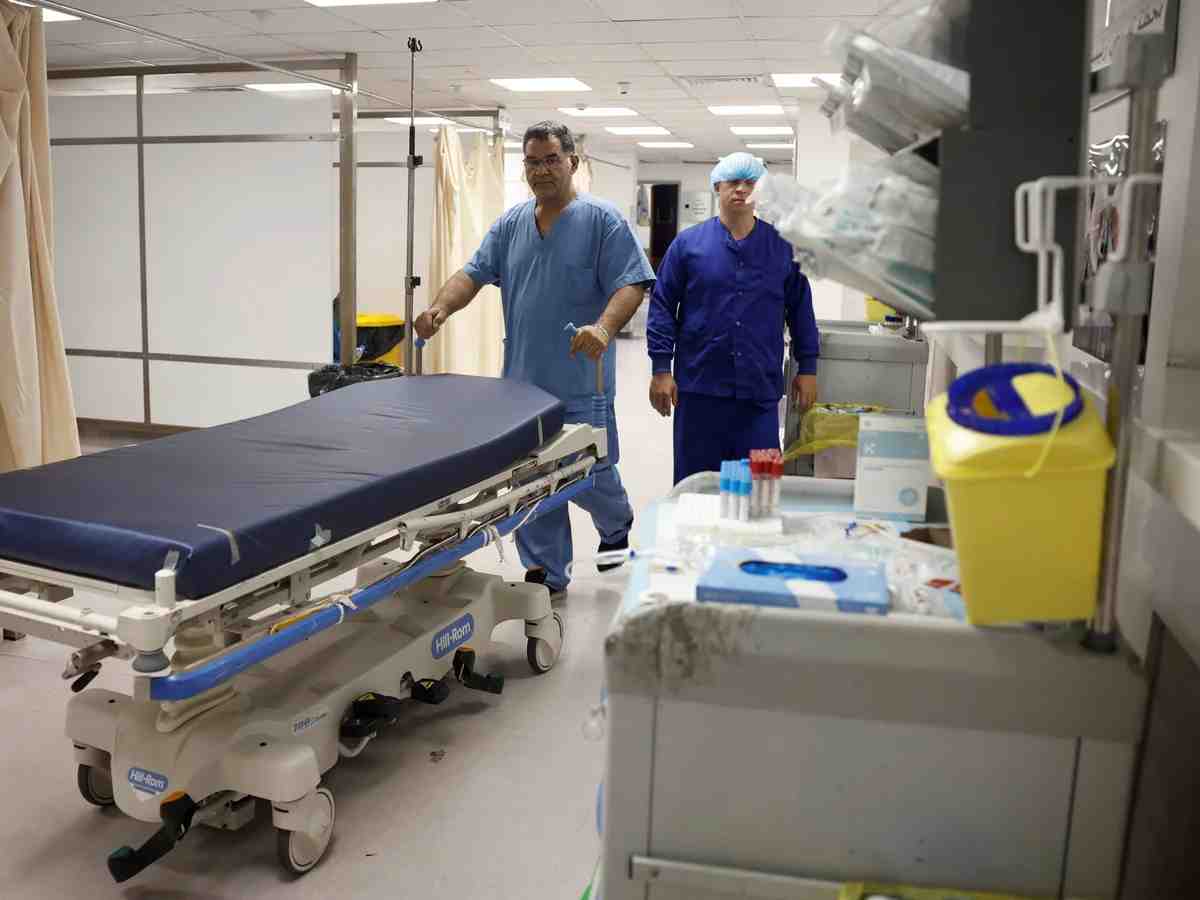
The proposal, introduced alongside Jordan, Qatar, and Turkey, expressed alarm over “the impact of the ongoing war on the Lebanese health system,” including attacks on healthcare facilities and health workers, as well as the closure of dozens of primary healthcare centers and hospitals across the country.
The resolution calls on the WHO to “scale up” support for Lebanon through the provision of medications, medical equipment, and essential health supplies. It also urges continued monitoring of disruptions affecting healthcare services and access to medical care.
The proposal received broad backing from member states during the Assembly and reflects growing international concern over pressure on Lebanon’s healthcare infrastructure and the need to maintain essential health services during the ongoing crisis.
The Assembly is expected to continue discussions throughout the week, with outcomes likely to shape international health cooperation and global health policies in the coming years.