




WORLD - Science is increasingly showing that heat is not only a physical discomfort. It can also affect how we feel, think, sleep, and cope.
Recent studies suggest that exposure to high temperatures can increase anxiety, worsen stress, and affect mental well-being. One study found that even a short heat exposure of around 1.5 hours was associated with a measurable increase in anxiety levels. Researchers linked this response to the body’s stress system, inflammation, oxidative stress, and changes in brain chemicals that influence mood.
How Does Heat Affect the Mind?
When the body is exposed to heat, it works harder to keep its internal temperature stable. This can activate what scientists call the HPA axis, which stands for the hypothalamic-pituitary-adrenal axis. In simpler terms, this is the body’s internal stress-response system. It connects the brain with hormone-producing glands and helps the body react to pressure, danger, or physical strain. When activated, it can increase stress hormones such as cortisol.
Extreme heat may also affect how the brain functions. The hypothalamus, the part of the brain that helps regulate body temperature, is also involved in basic functions such as hunger, thirst, sleep, mood, and blood pressure. When the body is under heat stress, these systems can become strained.
Heat can also disturb sleep, especially during hot nights. Poor sleep is closely connected to irritability, anxiety, low mood, and reduced resilience. This is why nighttime heat is particularly important: the body needs cooler hours to recover, and when nights remain hot, that recovery becomes harder.
Why This matters in Lebanon
Lebanon is already experiencing the consequences of a warming climate. According to World Bank-supported analysis, Lebanon has recorded an annual mean temperature increase of around 0.3°C per decade since about 1970, which is roughly twice the global mean trend reported for the same period.
Hot nights are also becoming more common.
Climate profiles for Lebanon report a 7% increase in the number of hot nights, with warming felt particularly in spring and summer. This is significant because hot nights reduce the body’s ability to rest and recover after daytime heat exposure.
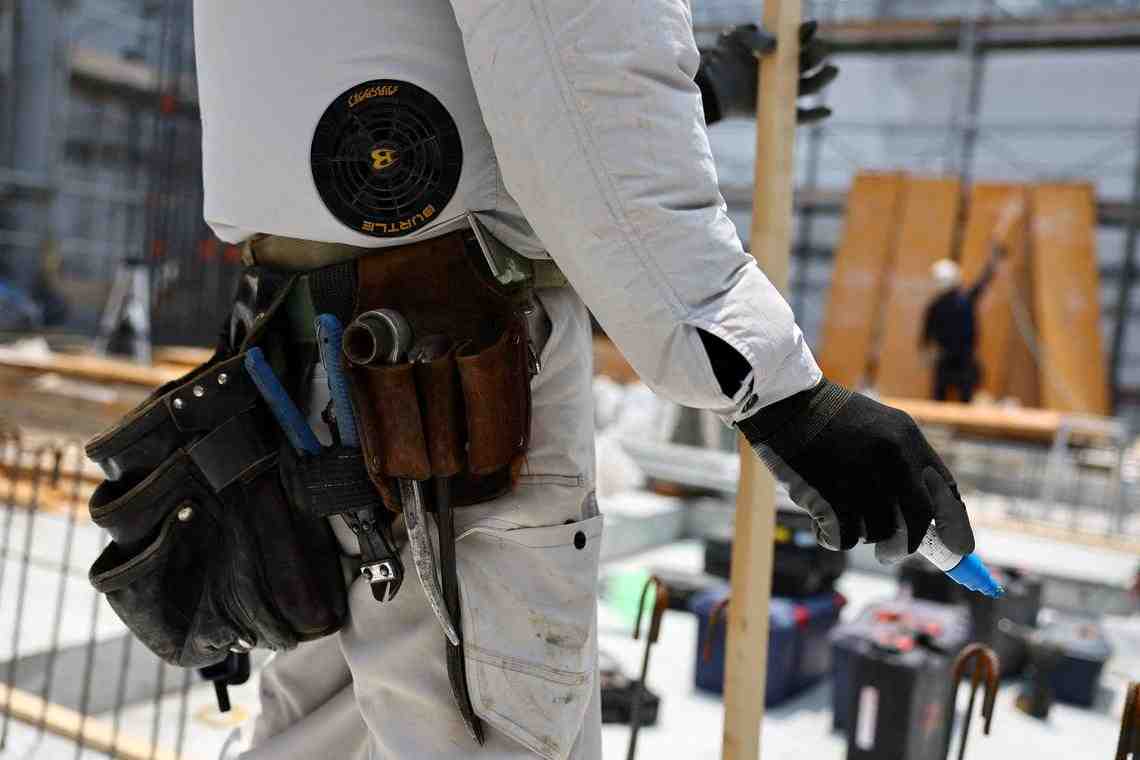
Lebanon’s National Adaptation Plan also warns of serious heat-stress risks, especially for outdoor workers. It notes that temperatures above 32°C have been recorded across most regions during the third quarter of the year, reaching 34.5°C in eastern areas. These conditions pose severe risks for people working in agriculture, construction, and other physically demanding jobs.
This makes heat a public health issue, not just a weather issue. In Lebanon, where electricity access, housing conditions, displacement, and economic hardship already shape daily life, the mental health effects of heat may be felt more intensely by those with the fewest resources to manage it.
Heat Does not Affect Everyone Equally
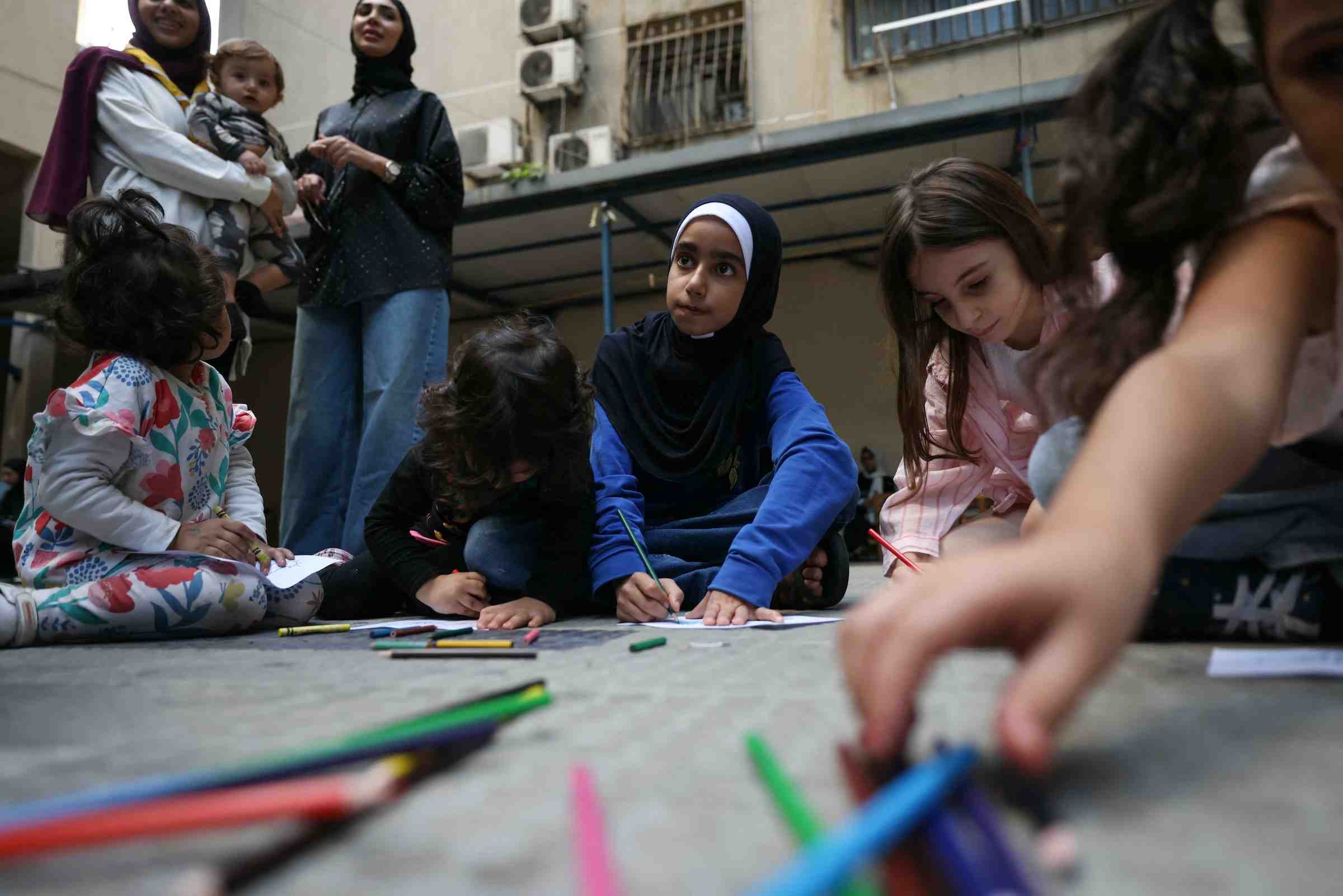
Some groups are more vulnerable to heat than others. Babies and young children can overheat more quickly because their bodies are still developing the ability to regulate temperature. Older adults are also at higher risk because the body becomes less efficient at cooling itself with age. Chronic conditions such as heart disease, diabetes, and obesity can make this even more difficult.
Heat also interacts with social and economic inequality. Families who cannot afford air conditioning, fans or private generators, are more exposed during heat waves. For households already struggling with electricity cuts or high living costs, “staying cool” is not always a simple choice.
The same applies to displaced families. Recent humanitarian reporting on Lebanon has described overcrowding, families sharing apartments to reduce costs, and many displaced people staying outside collective shelters with relatives, in rented temporary accommodation, cars, or informal spaces. These living conditions can make heat harder to manage, especially when privacy, ventilation, water, and cooling are limited.
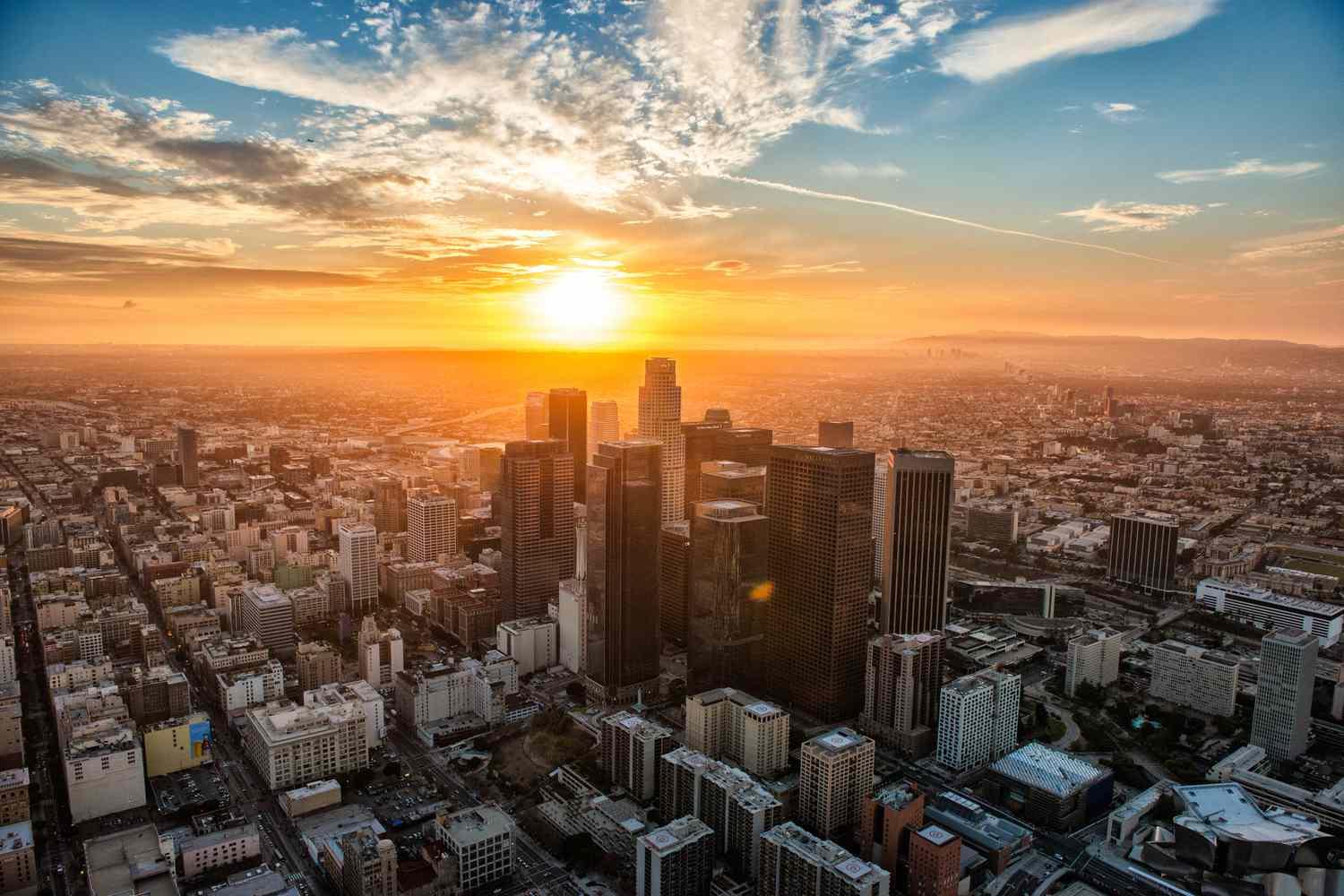
Urban design also matters. Neighborhoods with fewer trees, limited shade, dense buildings, and more concrete tend to trap heat. This is known as the urban heat island effect: cities and built-up areas become hotter than surrounding areas because concrete, asphalt, and buildings absorb and release heat. In practical terms, this means that two people living in the same city may experience summer very differently depending on housing quality, access to greenery, income, and infrastructure.
What Can be Done?
The link between heat and mental health does not mean summer is dangerous for everyone. But it does mean that heat should be taken seriously as part of public health planning.
Lebanon needs more heat-aware planning. This includes expanding shaded public spaces, protecting green areas, improving housing and shelter conditions, supporting outdoor workers, and integrating heat risks into mental health and public health responses.
As summers become hotter, the question is no longer only whether we prefer summer or winter. The more urgent question is: how do we make our cities, homes, and communities safer for a hotter future?