







WORLD - The World Health Organization (WHO) has declared the latest outbreak of the rare Bundibugyo strain of Ebola in the Democratic Republic of the Congo (DRC) and Uganda a “public health emergency of international concern”, as health authorities race to contain the spread of the deadly virus.
The outbreak, centred in northeastern DRC’s Ituri province near the borders with Uganda and South Sudan, has so far resulted in an estimated 131 deaths from 513 suspected cases, according to DRC Health Minister Samuel Roger Kamba. Authorities said 26 additional suspected cases were recorded within 24 hours.
The virus has spread beyond the outbreak’s original epicentre into neighbouring provinces, reaching areas nearly 200 kilometres away, while Uganda has also confirmed infections linked to the same strain. According to the WHO, at least one person has died in Uganda and two additional infections have been confirmed. More than 120 people are currently under quarantine in the country.
WHO Director-General Tedros Adhanom Ghebreyesus expressed concern over the pace of the outbreak, warning that the epidemic’s scale and speed pose a major regional and global health risk.
The Bundibugyo strain is a lesser-known species within the Ebola virus family and differs from the Zaire strain responsible for the devastating 2014-2016 West Africa epidemic that killed more than 11,000 people. Scientists say the current outbreak is particularly alarming because there is no licensed vaccine or approved treatment specifically targeting the Bundibugyo variant.
Dr Krutika Kuppalli, an infectious disease specialist at UT Southwestern Medical Center in Texas, said previous outbreaks involving the Bundibugyo strain recorded fatality rates between 30 and 50 percent.
She warned that ongoing armed conflict, population displacement, weak healthcare systems and delayed detection are complicating efforts to contain the disease. Diagnostic systems initially designed to detect the Zaire strain may also have contributed to missed early cases.
Although no approved vaccine exists, researchers say existing Ebola vaccine technologies could potentially be adapted. Merck’s Ervebo vaccine, developed for the Zaire strain, has shown some protection against Bundibugyo in animal studies.
International health organisations, including the Coalition for Epidemic Preparedness Innovations (CEPI), are now supporting research into broader “multivalent” vaccines capable of protecting against multiple Ebola strains.
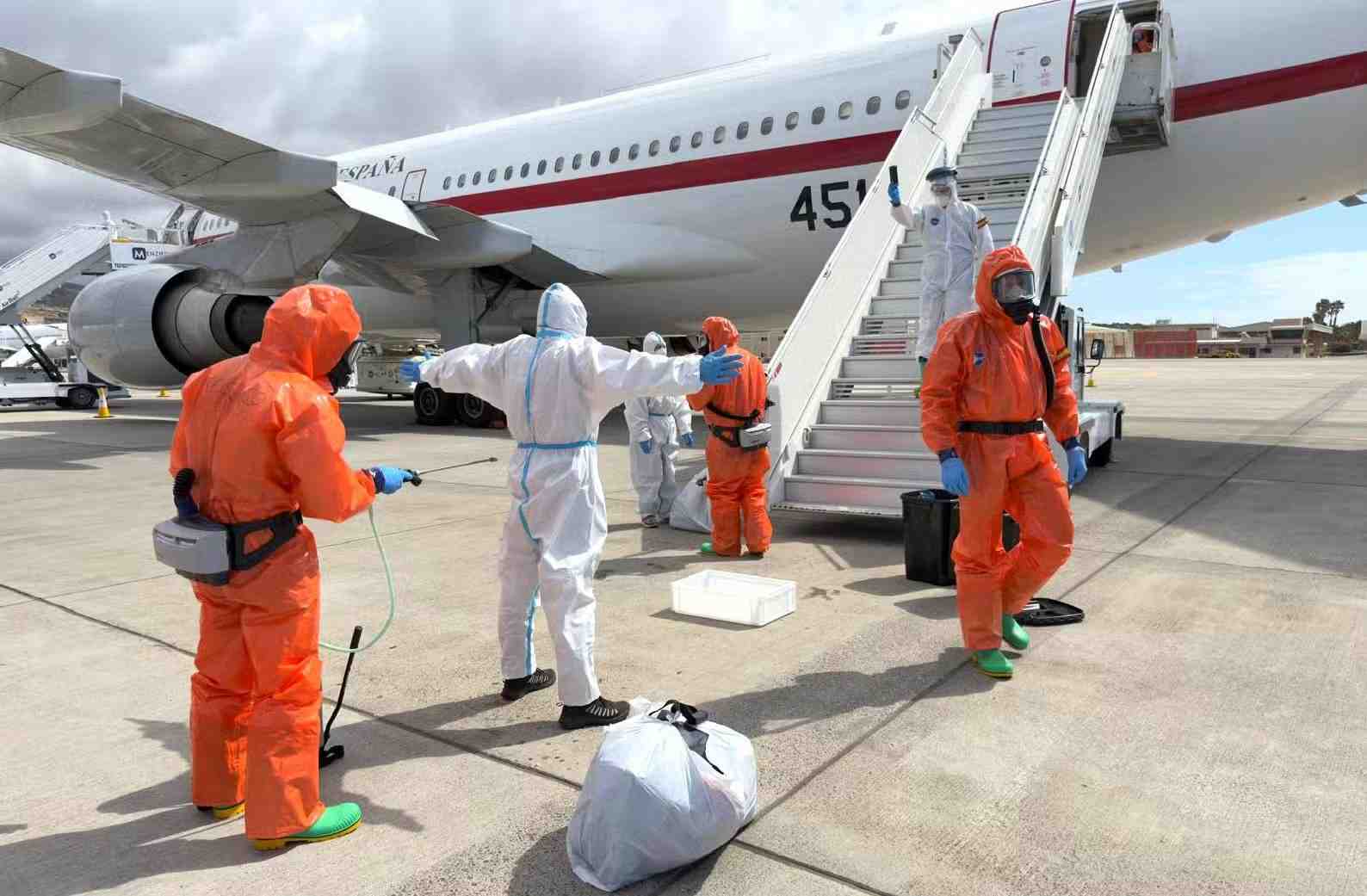
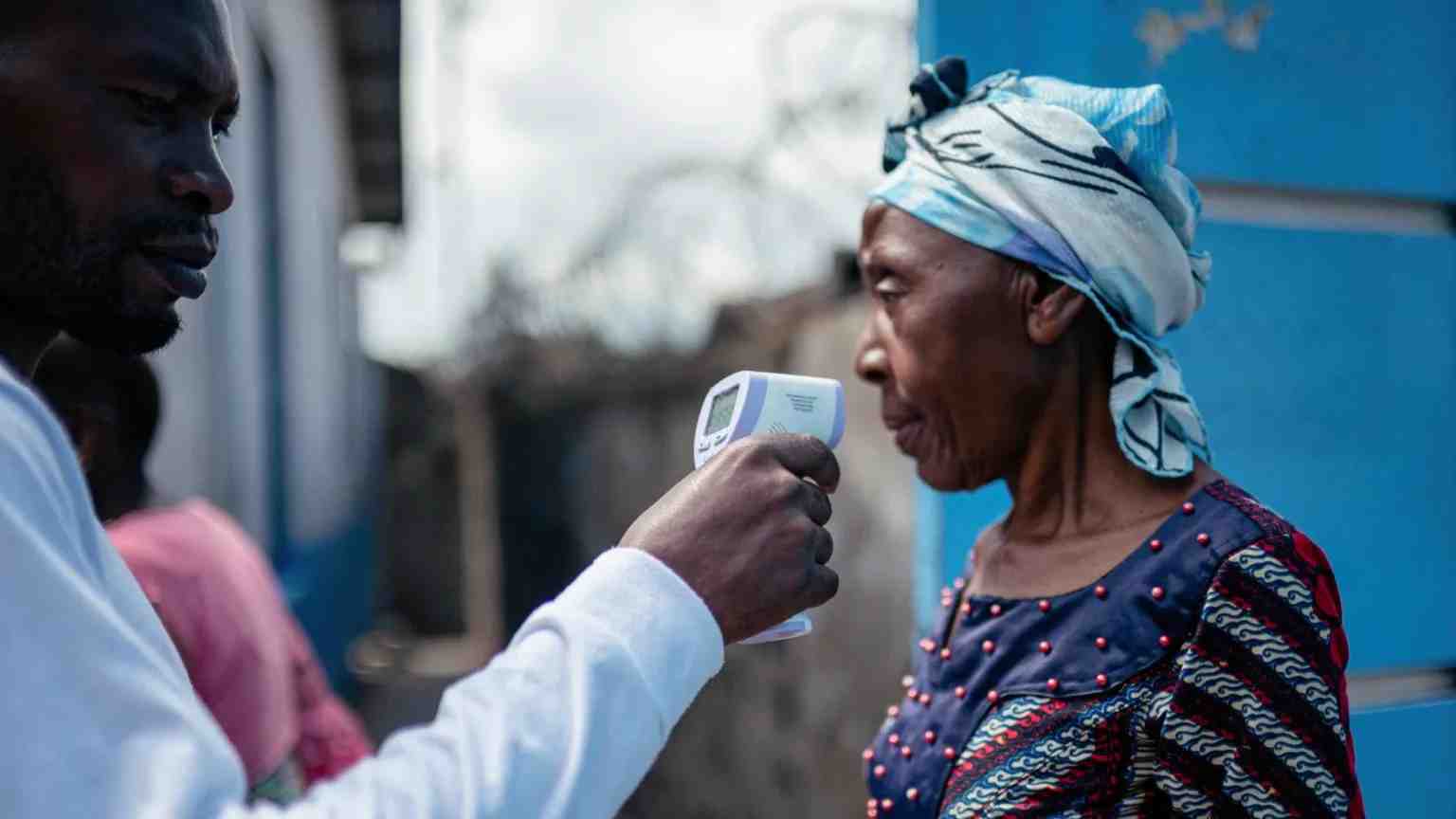
Meanwhile, the WHO has deployed medical supplies and protective equipment to affected areas in the DRC, while several countries have introduced travel restrictions and border screening measures in response to fears of wider international spread.