







WORLD - The climate crisis has reached courtrooms, not only conference halls.
A new UN vote has strengthened a historic legal message: countries have responsibilities when their actions, or their delays, contribute to climate harm.
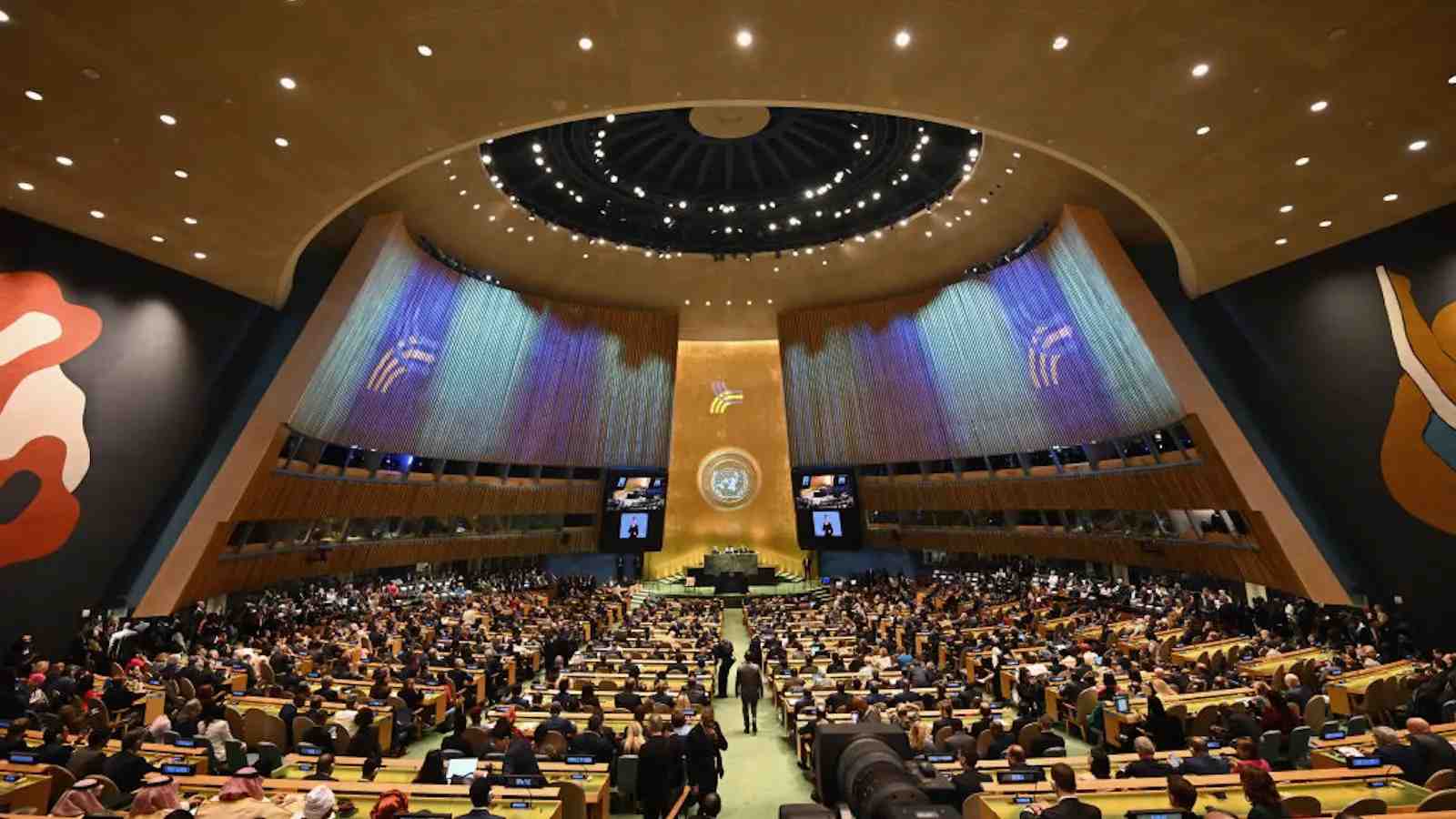
On 20 May 2026, the UN General Assembly voted in support of the International Court of Justice’s 2025 opinion on climate change. The result was clear: 141 countries voted yes, 8 voted no, and 28 chose to stay neutral. The countries voting no included the United States, Saudi Arabia, Russia, Iran, Israel, Yemen, Liberia, and Belarus. Major economies and fossil fuel producers, including India, Turkey, Qatar, and Nigeria, stayed neutral.
What Did the Court Say?
This is not a new climate treaty. It does not mean countries will suddenly be sued tomorrow. But it gives global weight to one clear message: climate action is not only a promise made at summits. It is also a legal duty.
The Court said states have obligations under international law to protect the climate system from greenhouse gas emissions. In simple words, governments cannot keep signing climate commitments while continuing as if nothing is changing.
What Changes Now?
Before, a country suffering from drought, floods, or extreme heat could mostly raise the issue in climate meetings and ask for help. Now, it has stronger legal language to use.
Take Iraq, where drought and declining water flows are affecting farmers and rural communities. Or Jordan, one of the world’s most water-scarce countries. These countries can now point to the International Court of Justice when pushing for stronger climate finance, adaptation support, or accountability from major polluters. It does not mean they will automatically win cases. But the argument changes from “we need support” to “there may be a responsibility to act.”
Where Does Lebanon Fit In?
Lebanon is not a major global emitter. But it is already paying a high climate cost. Climate impacts are estimated to cost Lebanon around 5% of GDP every year, and losses could rise to 32% by 2080 if action remains weak. In 2023, heat stress alone caused around USD 1.3 billion in productivity losses, affecting more than 110,000 jobs in agriculture, construction, and services.
For Lebanon, this strengthens the case for climate finance and adaptation support, especially for water, agriculture, forests, coastal protection, public health, and disaster risk management.
But it also raises expectations. Lebanon’s latest climate plan, NDC 3.0, commits to cutting emissions by 22% unconditionally and 33% with international support by 2035, while aiming to generate 25–30% of electricity from renewable energy.
This vote will not stop emissions overnight, and it will not force major polluters to pay tomorrow. Like many international decisions, its impact will depend on how governments, courts, communities, and vulnerable countries use it.
Whether it becomes real change or just another statement in a long list of climate promises will depend on what happens next.