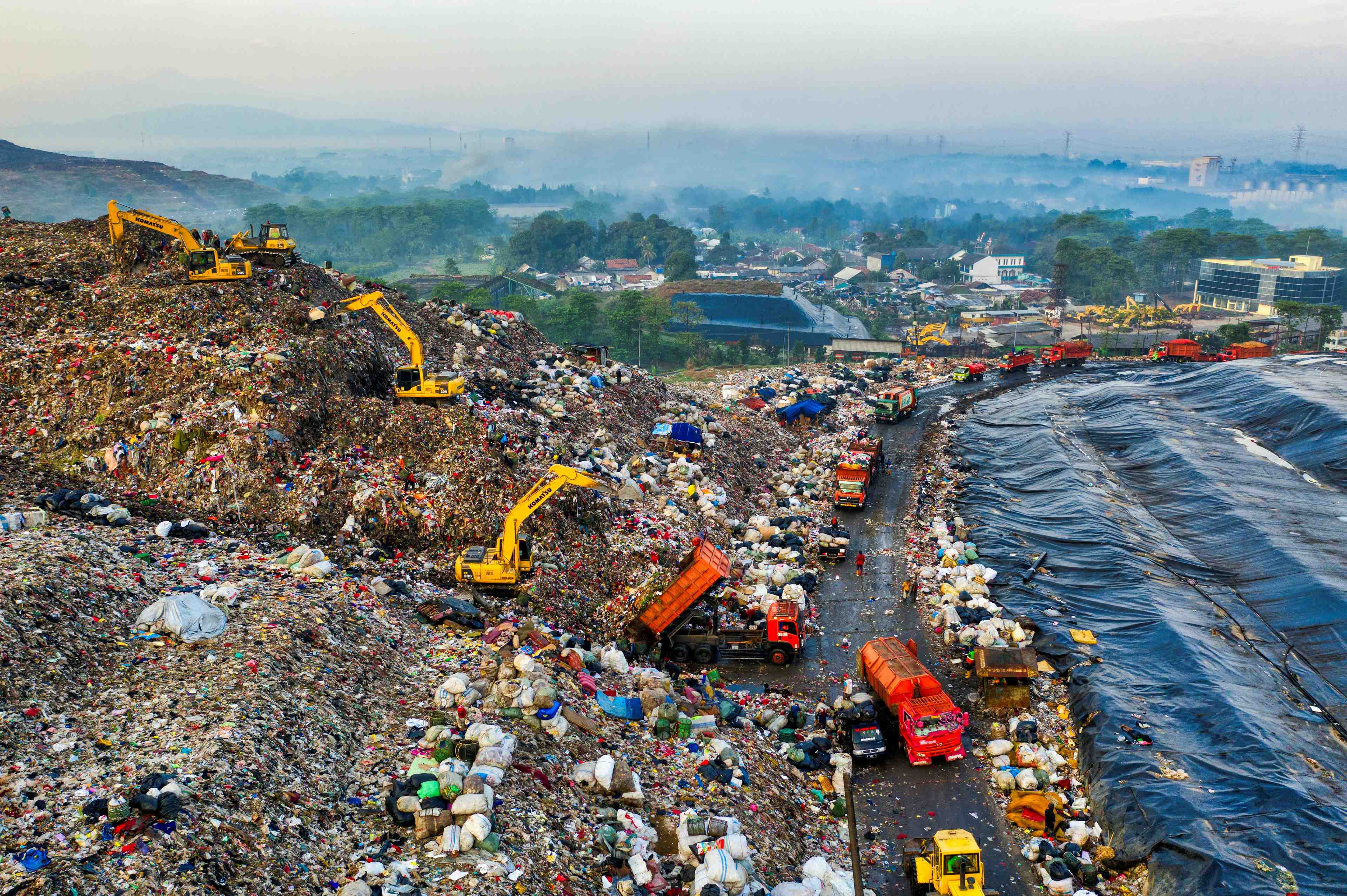





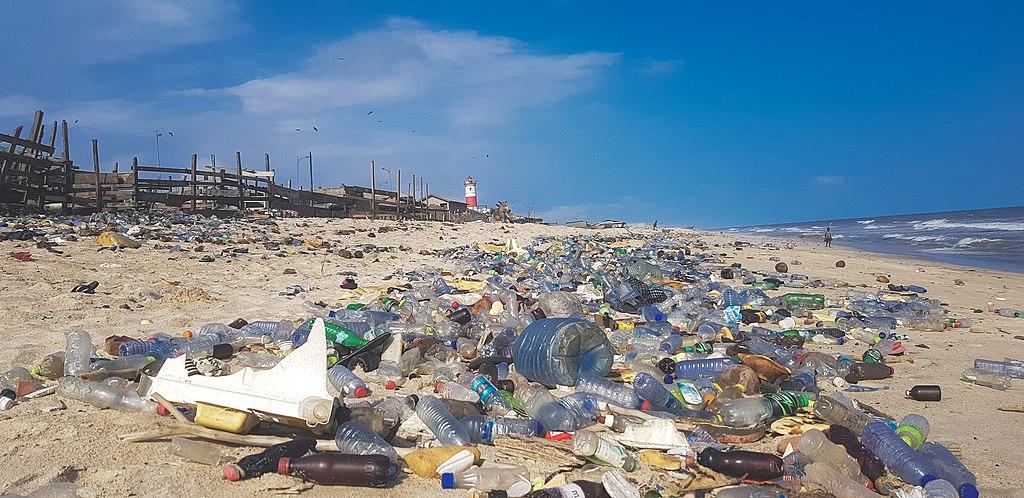
WORLD — Plastic pollution has become one of the five leading causes of global biodiversity loss and ecosystem collapse, according to a new global report released by the Global Plastic Action Partnership (GPAP) of the World Economic Forum.
The report, Plastic Pollution and Biodiversity: A Global Overview, draws on two years of research and field assessments across nine regions in Latin America, Africa, and Asia. Its findings warn that plastic pollution is no longer simply a waste management issue but a growing threat to environmental resilience, economic stability, and climate action worldwide.
Plastic Waste Expected to More Than Double by 2040
According to the report, the planet is currently experiencing a sixth mass extinction event, with species disappearing at rates far higher than historical averages.
Researchers estimate that around 130 million tonnes of plastic waste enter the environment every year. Without significant intervention, that figure could rise to 280 million tonnes annually by 2040.
The report warns that waste management systems are failing to keep pace with rapidly increasing plastic production, allowing larger volumes of plastic to accumulate in natural ecosystems.
Growing Climate and Economic Risks
The plastic industry also poses a growing climate challenge. The report estimates that the global plastic value chain generated 2.7 billion tonnes of carbon dioxide equivalent emissions in 2025.
If current trends continue, plastics could consume 42% of the remaining carbon budget needed to keep global warming within 1.5 degrees Celsius by 2040.
At the same time, researchers note that more than half of global GDP depends on nature, yet only a small percentage of companies have adopted biodiversity protection targets or disclose their environmental impacts.
Wildlife Under Increasing Pressure
The report identifies three main ways plastic pollution harms biodiversity.
The first is direct physical harm through ingestion and entanglement. More than 4,000 species have been documented interacting with plastic waste. Researchers estimate that over half of the world's sea turtles have ingested plastic, often mistaking bags and other debris for food.
The second pathway is habitat degradation. Plastic waste damages ecosystems such as coral reefs and mangrove forests, reducing their ability to support wildlife and store carbon.
The third is chemical contamination. Plastics release harmful substances that can disrupt reproduction, growth, and overall ecosystem health.
Mapping Pollution From Source to Sea
One of the report's key recommendations is adopting a "source-to-sea" approach that tracks plastic pollution from where it is generated to where it ultimately accumulates.
In Colombia, researchers found that plastic waste produced in inland cities can travel more than 1,000 kilometers through river systems before reaching sensitive coastal ecosystems, including coral reefs and mangrove forests.
Similar mapping in Costa Rica revealed that more than 35% of the country's key biodiversity areas are already experiencing ecological damage linked to unmanaged plastic waste.
Call for Stronger Global Action
The report argues that current environmental policies often treat plastic pollution and biodiversity conservation as separate issues, limiting their effectiveness.
Researchers are calling on governments to integrate plastic pollution into biodiversity strategies and focus on measurable ecological outcomes rather than simply tracking the amount of waste collected.
A Multi-Billion-Dollar Opportunity
Beyond environmental benefits, the report highlights major economic opportunities linked to reducing plastic waste.
An estimated $80 billion to $120 billion worth of plastic packaging is discarded after a single use every year. The World Economic Forum says expanding reusable packaging systems and circular economy models could generate up to 8.6 million jobs globally while significantly reducing pollution.
The report concludes that governments, businesses, and international organizations must work together to address plastic pollution at its source and protect ecosystems that are critical for biodiversity, climate stability, and human well-being.