




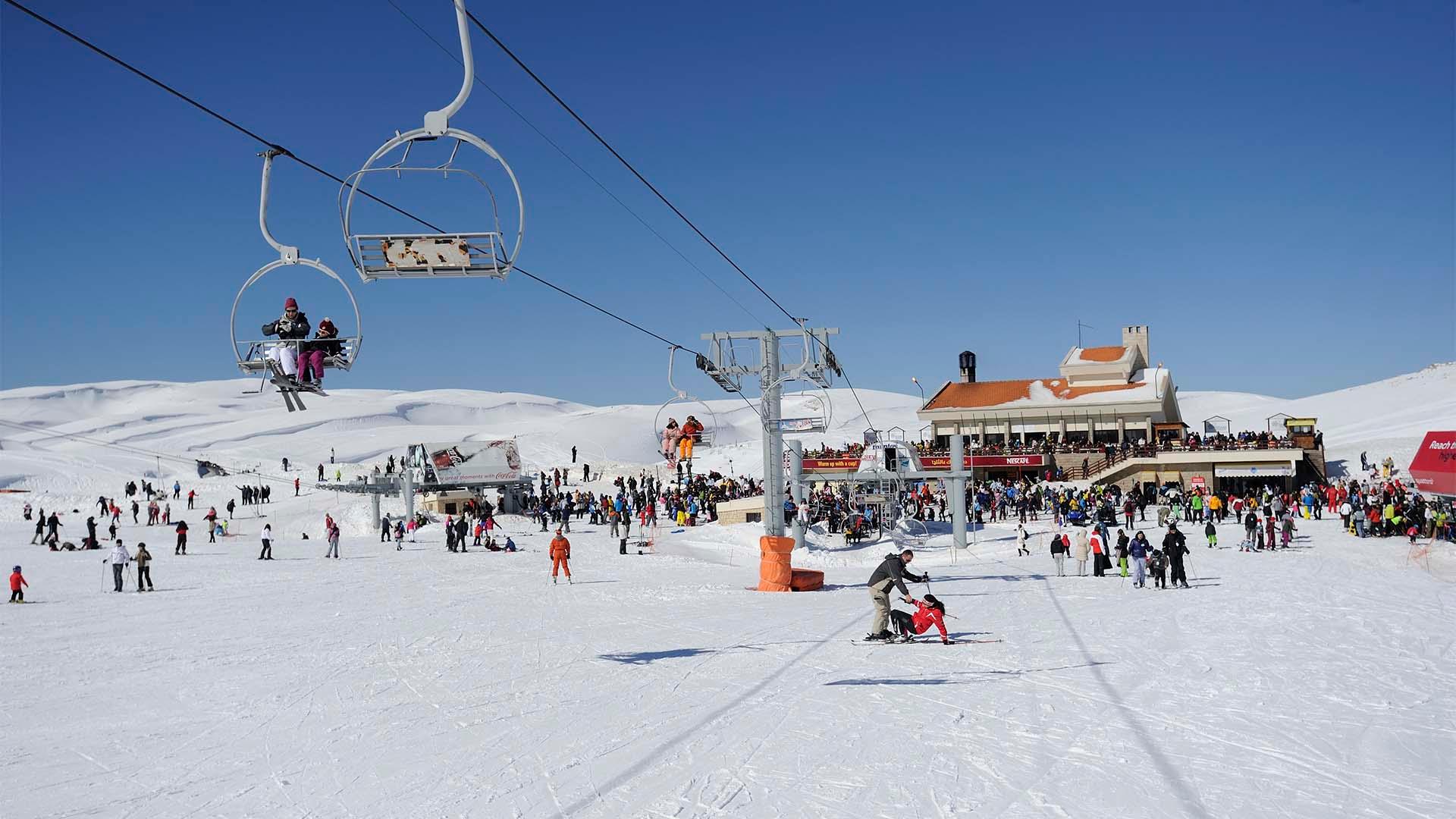
LEBANON - Lebanon's snow-capped mountains have long been a defining feature of its tourism sector, attracting skiers, snowboarders, and visitors from across the region each winter.
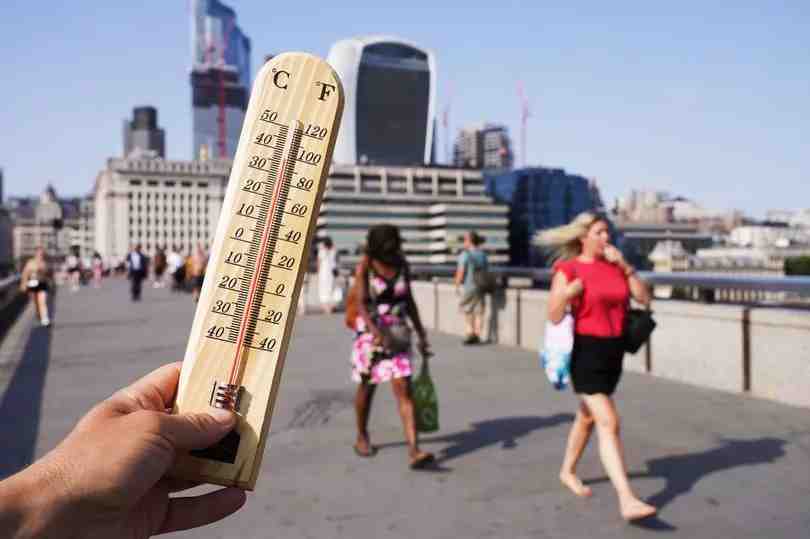
Yet in recent years, delayed snowfall and shorter ski seasons have raised concerns about the future of winter sports in the country. Since 1970, the average annual temperature in Lebanon has increased by 0.3°C every ten years, which is significantly more than the 0.15°C global average.
These changes are not unique to Lebanon. Across the world, rising temperatures, declining snow cover, and increasingly frequent warm spells are reshaping winter tourism and threatening the long-term viability of ski destinations.
With renowned resorts such as Faraya-Mzaar, Cedars, Laklouk, and Zaarour, Lebanon occupies a distinctive place in the Middle East as one of the region’s few destinations where skiing plays a significant role in the economy.
Winter tourism has long been an important pillar of the country’s tourism industry and rural development, with ski seasons traditionally extending from December through February and supporting hotels, restaurants, ski schools, and local businesses in mountain communities.
Yet, in some years, ski resorts have been unable to open until late January, significantly reducing visitor numbers and economic activity.
For example, in 2023, ski resorts across Lebanon did not open until February 10 due to insufficient snowfall
Additionally, Walid Baino, head of the Media and Marketing Committee in Kfardebian Municipality, observed that while hotels are usually fully booked by November, occupancy levels in January 2024 remained below 40% of total capacity.
The Economic Cost of Shorter Winters
The impact extends beyond tourism, affecting hundreds of workers and businesses that depend on winter revenues. Tourism remains a key pillar of Lebanon’s economy, contributing approximately 20% of the country’s GDP.
Beyond its direct economic contribution, the sector generates foreign exchange earnings, supports employment across a wide range of industries, and drives demand for transportation, hospitality, retail, and other related services.
As winter seasons become shorter and less predictable, the resulting decline in tourism activity can reduce economic revenues at both the local and national levels, further straining an economy already facing significant financial and structural challenges.
A Global Challenge Beyond Lebanon
Lebanon's experience reflects a broader global trend. Rising temperatures and changing precipitation patterns are directly contributing to the reduction of snow cover, particularly in ski resorts located at lower elevations.
According to the International University Sports Federation (FISU), declining snow cover is already affecting ski seasons across Europe, with low-altitude resorts struggling to maintain adequate natural snowfall. Italy is among the countries experiencing the consequences most acutely, having lost 265 ski resorts due to rising temperatures.
In response, many destinations have turned to artificial snowmaking as a temporary solution. During the Torino 2025 FISU Games, artificial snow was extensively used, bringing additional environmental costs through increased energy consumption and water demand.
Similarly, organizers of the 2026 Winter Olympic Games in Italy planned to produce 3.1 million cubic yards of artificial snow.
Looking ahead, projections suggest that only 45 to 55 of the 93 mountain locations currently eligible to host the Winter Games may remain suitable by the 2050s, with only four cities expected to be capable of hosting the event without artificial snowmaking.
What is becoming increasingly clear is that climate change is reshaping winter tourism worldwide, and Lebanon will need to adapt to these changing conditions to sustain the economic and environmental value of its mountain destinations.
From Snow to Water Security
The consequences of declining snowfall are not limited to winter sports. Climate experts warn that reduced snow cover also threatens Lebanon's water security, as mountain snowpack acts as a natural reservoir that replenishes rivers, springs, and groundwater during the dry summer months.
Consequently, declining snow reserves can affect agricultural productivity, food security, and other water-dependent sectors by reducing the availability of freshwater resources.
In this sense, the challenges facing winter sports are closely linked to broader concerns surrounding drought, water scarcity, and land degradation.
Climate Resilient Tourism
For Lebanon, climate adaptation can start by rethinking what ski resorts are for.
Instead of depending only on snow, resorts such as Faraya-Mzaar, Cedars, Laklouk, and Zaarour can become year-round mountain destinations. Their value is not limited to ski slopes; it also lies in their trails, forests, landscapes, local food, villages, and outdoor experiences.
This direction also aligns with Lebanon’s NDC 3.0, which highlights tourism as a climate adaptation priority and encourages more sustainable rural, mountain, eco, and nature-based tourism. In practice, this could mean expanding hiking, biking, wellness retreats, food experiences, nature camps, and cultural activities in spring, summer, and autumn.
Beyond the Ski Season
As winters become warmer and less predictable, Lebanon's mountain regions face growing pressure to adapt while safeguarding the ecosystems that support both tourism and essential water resources.
Whether Lebanon's mountains remain a destination for winter sports or become another casualty of a warming climate will depend on the choices made today.
Protecting mountain ecosystems, sustaining mountain communities and their livelihoods, investing in climate adaptation measures, and diversifying tourism activities are no longer optional; they are becoming a development necessity to preserve both the economic value and environmental heritage of Lebanon's highlands.
On World Desertification and Drought Day, Lebanon’s changing snow season highlights a broader development challenge: climate change is reshaping interconnected ecosystems, livelihoods, and water resources.
Addressing these impacts will require stronger cross-sector coordination, sustained commitment from all stakeholders, and forward-looking planning to enhance resilience and support long-term sustainability.