






NEW YORK – The United Nations Children’s Fund (UNICEF) has warned that artificial intelligence is increasingly shaping children’s lives worldwide, calling for urgent action to strengthen protections and governance around its use.
In a statement released on Monday, UNICEF said new evidence shows the rapid and widespread uptake of AI among children, based on analysis of data from 10 countries.
The organization estimates that at least 20 million children have used artificial intelligence, with adoption rates among children more than three times faster than adults.
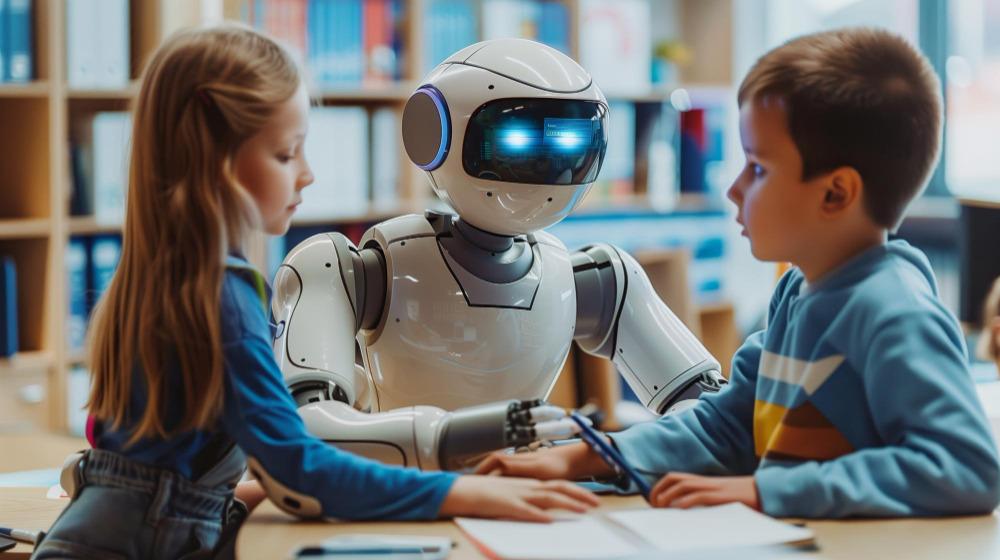
According to the findings, more than 2 million children—around one in ten—use AI to seek advice on personal concerns, while approximately 13 million use it to support learning and complete schoolwork.
UNICEF warned that existing regulatory frameworks are struggling to keep pace with the rapid expansion of AI technologies, leaving children increasingly exposed to systems whose design, data practices, and business models they have little ability to influence or challenge.
The agency also highlighted growing concerns among children themselves, noting that in the 10 countries surveyed, one-third expressed fears about AI being used for scams and misinformation, while one-quarter were worried about manipulated or sexually explicit deepfakes.
UNICEF said children are effectively growing up inside what it described as a “global experiment,” as evidence on the long-term effects of AI on cognitive development, emotional well-being, and safety remains limited.
The organization urged governments, the private sector, and partners to embed child rights into AI governance, strengthen legal frameworks, improve corporate accountability, and invest in AI literacy, digital infrastructure, and safe access for all children.
“Children are more exposed to AI systems, yet have far less power to protect themselves,” UNICEF said, stressing that current governance models do not sufficiently prioritize child safety.
It added that decisions made today about AI will have lasting consequences for children’s safety, privacy, and opportunities for decades to come.