







BEIRUT – Lebanon’s public education system is operating under severe strain and is at risk of structural collapse due to decades of underfunding and multiple overlapping crises, according to a new policy brief by the Lebanese Center for Policy Studies (LCPS).
The report warns that without urgent short-term stabilization measures and deeper structural reforms, Lebanon risks long-term damage to its human capital and the emergence of what it describes as a “lost generation,” with serious implications for economic development and social cohesion.
System under mounting pressure
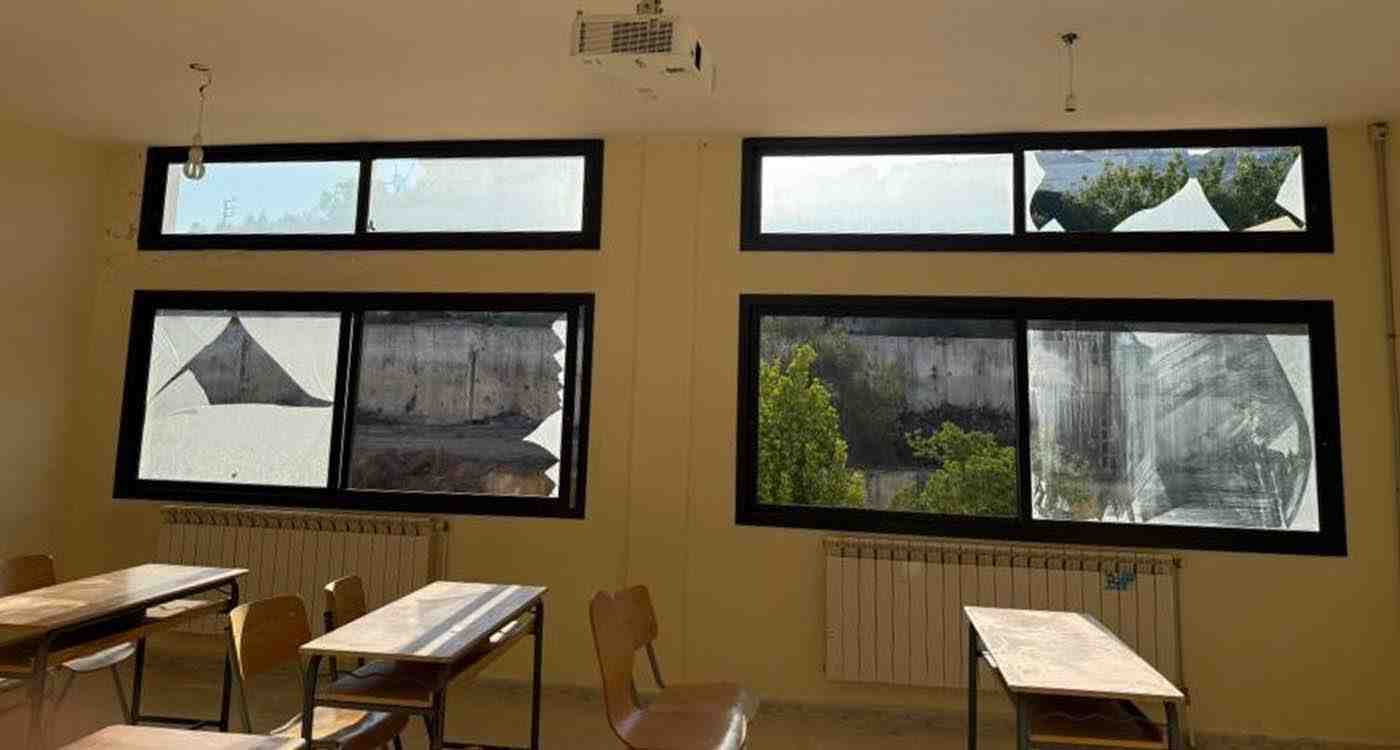
Even before recent geopolitical and economic shocks, Lebanon’s public education sector was already under significant stress. Since 2019, conditions have deteriorated sharply amid hyperinflation, currency depreciation, and prolonged social and economic instability.
The brief highlights a steep decline in learning conditions. Between 2019 and 2023, public school students received only 270 instructional days out of a required 600, reflecting major disruptions to the academic calendar.
At the same time, the system absorbed a large influx of students moving from private to public schools. Around 55,000 students transferred during the 2020–2021 academic year alone, placing additional pressure on already limited resources.
The World Bank estimates that school closures in 2022 and 2023 could result in economic losses of between $217 million and $253 million.
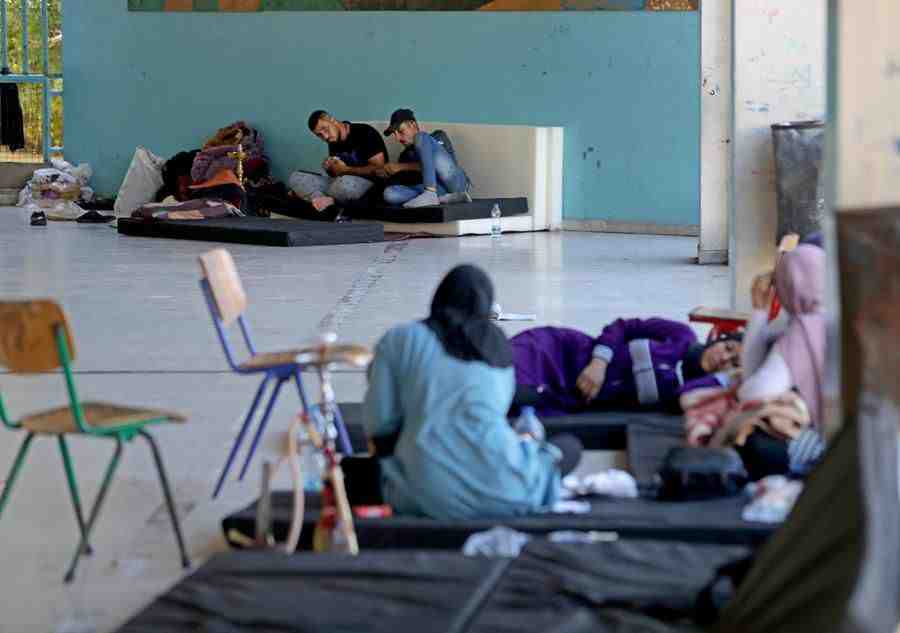
In some areas, particularly in the south, public schools have also been used as temporary shelters for internally displaced persons, further straining infrastructure.
Structural and governance challenges
The LCPS report identifies deep structural weaknesses across Lebanon’s education system, including centralized governance, funding instability, and inequities in teacher compensation.
Budget constraints
The Ministry of Education and Higher Education (MEHE) operates within a highly centralized system, with education funding often subject to political negotiations. The sector’s share of the national budget fell to 4.33% in 2023, rising slightly to 6.11% in 2024. The report notes that most allocated funds are consumed by salaries, leaving limited room for operational improvements.
Teacher pay disparities
The collapse of the national currency has significantly affected teachers’ incomes, contributing to migration and absenteeism. The report highlights stark wage differences, with some contractual teachers earning the equivalent of $1.68 per hour, while others receive around $9 per hour, depending on shift arrangements.
Dependence on international aid
International funding, including support from organizations such as UNICEF and the World Bank, has helped sustain parts of the system, particularly in schools hosting refugee students. However, the report warns that heavy reliance on external assistance undermines long-term sustainability and weakens national ownership of education policy.
Funding for schools operating afternoon shifts for Syrian refugee students reportedly declined from $140 per student to $80 in the 2023–2024 academic year.
Inclusion gaps
The brief also highlights major shortcomings in inclusion and equity. Only 116 public schools nationwide are equipped to support children with disabilities, representing a very small share of the student population. It also notes that economic hardship has affected female students, with many facing challenges in accessing menstrual hygiene products, contributing to absenteeism and dropouts.
Recommendations for reform
The LCPS outlines a two-track approach to prevent further deterioration of the education system.
Short-term measures
• Stabilizing teacher compensation through inflation-adjusted top-ups
• Ensuring consistent funding for essential school operations, including utilities
Medium- and long-term reforms
• Decentralization: granting school principals greater financial autonomy
• Public finance reform: reducing inefficiencies and improving domestic resource mobilization
• Sustainable infrastructure: investing in renewable energy solutions such as solar power
• Governance reforms: strengthening parent councils and community participation
• Inclusion and well-being: expanding support for mental health services, accessibility infrastructure, and gender-sensitive policies
The report concludes that without immediate intervention, Lebanon’s education system risks continued deterioration, with lasting consequences for the country’s workforce, economic recovery, and social stability.