







BEIRUT — Lebanese municipalities are approaching a breaking point as conflict-related displacement, damaged infrastructure, and chronic financial shortages overwhelm local governments, according to a new assessment released by UN-Habitat Lebanon.
The Rapid Municipal Assessment, published this month, found that municipalities across the country are struggling to maintain basic services after the escalation of hostilities in March 2026, warning that many local authorities are operating with little or no external support.
Massive Displacement Strains Local Communities
Although a ceasefire came into effect in mid-April 2026, the humanitarian situation remains fragile. Many residents are still unable to return to their homes because of newly established buffer zones and widespread destruction in border areas.
According to the report, 76% of surveyed municipalities experienced a significant increase in population following the escalation. As of May 12, 2026, the municipalities surveyed were collectively hosting more than 465,000 internally displaced persons (IDPs)—equivalent to 35% of their pre-crisis population.
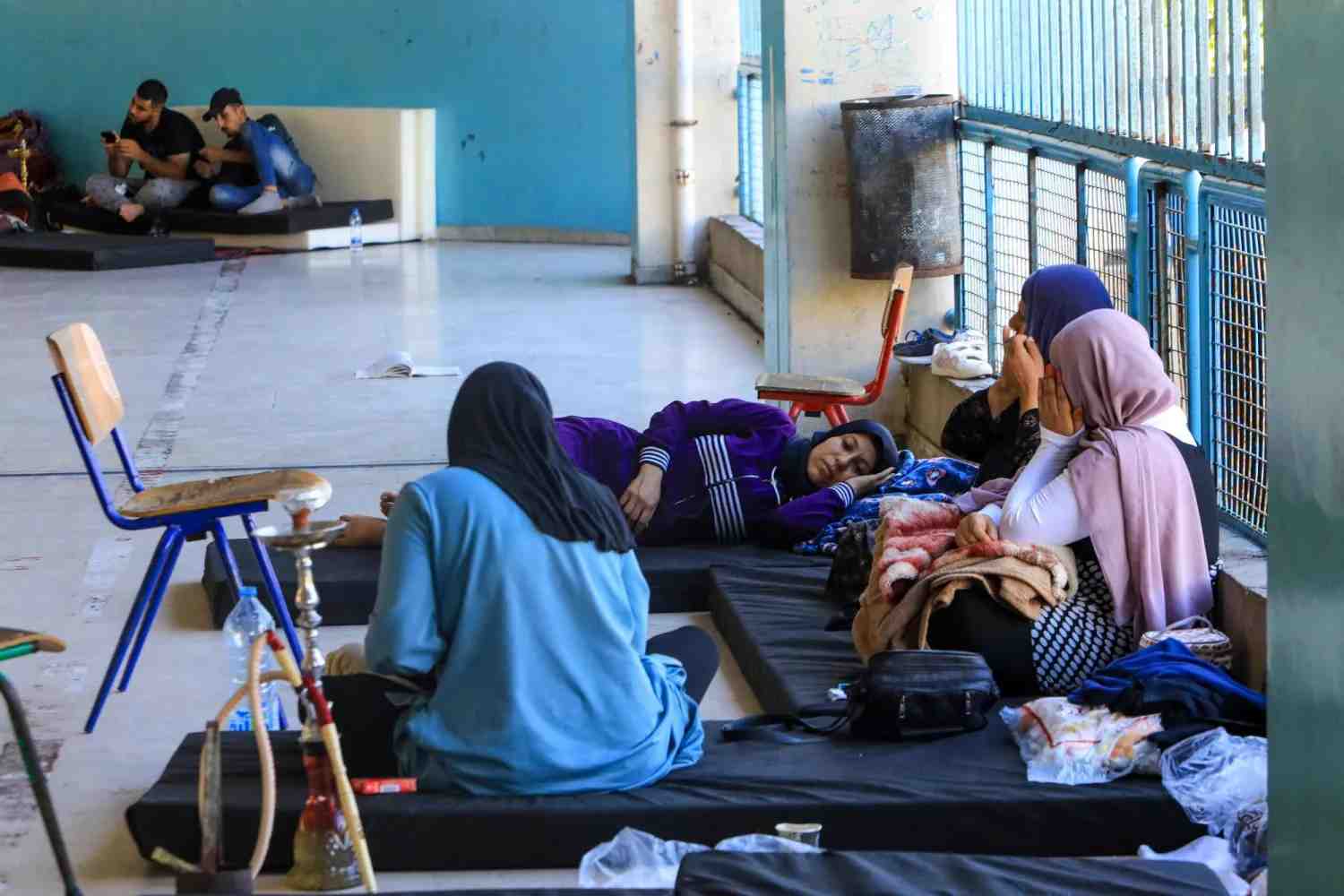
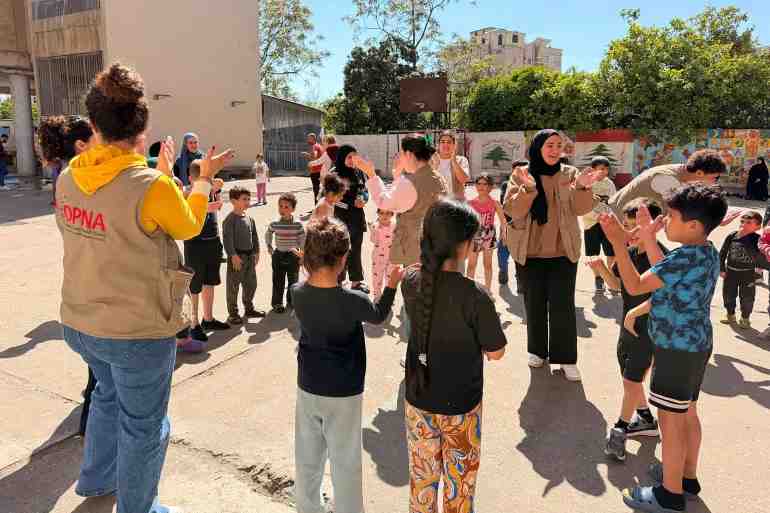
Shelter capacity has been stretched beyond its limits. Public schools have become the primary emergency accommodation, with 82% of municipalities using them as collective shelters. Meanwhile, 16% of municipalities reported that displaced people are living in open public spaces, including parks, squares, and streets, because adequate housing is unavailable.
Municipal Services Under Severe Pressure
The report notes that Lebanon's municipalities entered the latest crisis already weakened by years of economic decline and institutional challenges. The recent influx of displaced families has further strained local administrations.
Overall, 89% of surveyed municipalities reported operational disruptions. Of those, 34% described the disruptions as severe, while 18% said they are now barely functioning.
Municipal officials identified several factors driving the crisis, including increased demand for public services, depleted municipal budgets, and shortages of equipment, vehicles, and fuel needed to maintain daily operations.
Essential Infrastructure Under Growing Stress
UN-Habitat found that 95% of municipalities reported unsustainable pressure on essential infrastructure and public services.
The sectors most affected include:
Solid waste management: 76% reported extreme pressure.
Wastewater systems: 66% reported extreme pressure.
Water supply: 63% reported extreme pressure.
Energy and street lighting: 34% reported extreme pressure.
Solid waste management has emerged as one of the most pressing concerns. Every municipality surveyed reported an increase in waste accumulation, while 76% described the increase as significant. Local authorities cited shortages of waste collection trucks, fuel, and equipment as major obstacles to maintaining sanitation services.
The report also found that 24% of municipalities sustained direct damage to local infrastructure during air strikes, including water networks, electricity infrastructure, and non-residential buildings. Approximately two-thirds of the damaged assets are municipally owned or managed, increasing financial pressures on already strained local governments.
Limited Financial and Operational Support
One of the report's central findings is the limited assistance reaching municipalities.
According to UN-Habitat, 79% of surveyed municipalities reported receiving no financial or operational support since the escalation of hostilities began.
At the same time, municipal spending has increased sharply due to emergency waste collection, water pumping, and staff overtime. Where support has been provided, municipalities reported that it came primarily from individual volunteers rather than coordinated government or international assistance.
Although social tensions remain relatively limited, 24% of municipalities observed a slight increase in community friction. Local authorities cautioned that prolonged displacement, overcrowding, competition over public resources, and unequal access to assistance could heighten tensions if the crisis continues.
UN-Habitat Calls for Direct Municipal Support
The report urges international donors and humanitarian organizations to provide more direct assistance to municipalities, arguing that local governments are at the forefront of the humanitarian response.
Among its recommendations are emergency funding to restore waste collection and water pumping services, investment in solar energy systems for critical infrastructure, rental assistance programs to reduce overcrowding in schools serving as shelters, and the deployment of engineers and urban planning specialists to support reconstruction and long-term recovery efforts.
UN-Habitat concluded that strengthening municipal capacity will be essential to maintaining basic public services and supporting communities as Lebanon moves from emergency response toward recovery.