






AMERICA - The world is running out of time to achieve its commitment to sustainable cities and communities, according to a new United Nations report that highlights a deepening global housing crisis and warns that progress toward Sustainable Development Goal 11 (SDG 11) remains dangerously off track.
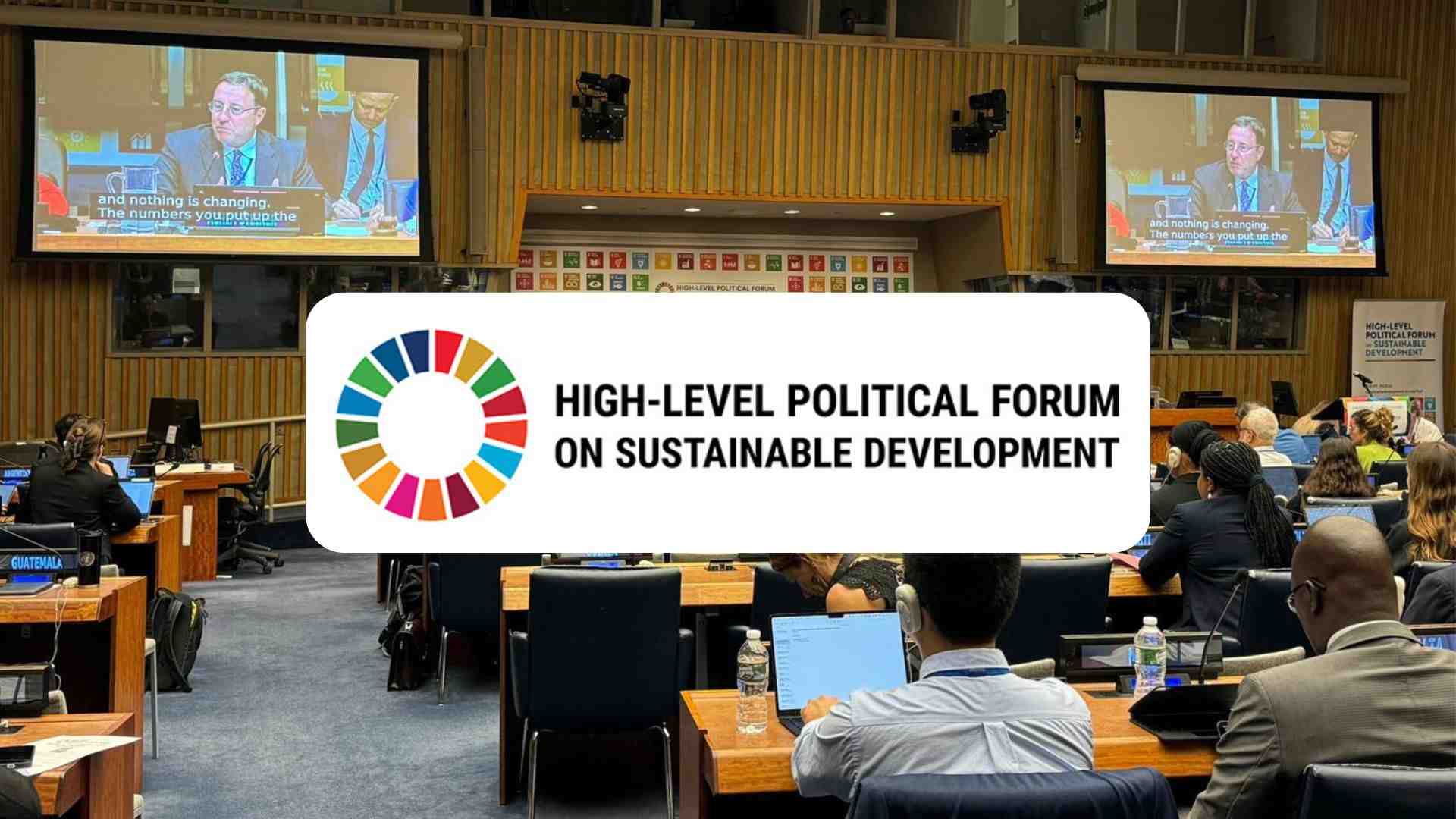
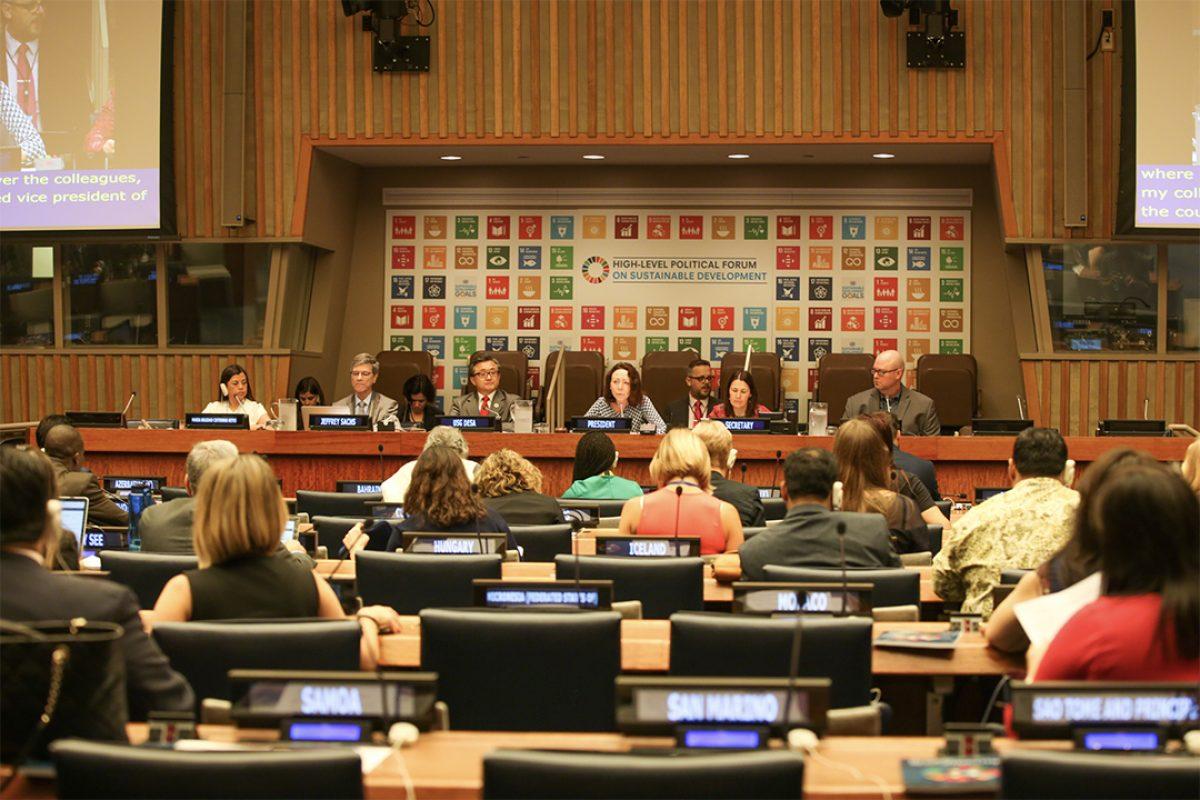
The SDG 11 Global Report 2026, launched by UN-Habitat during the High-level Political Forum on Sustainable Development (HLPF) in New York on July 9, found that more than 3 billion people worldwide lack access to adequate housing.
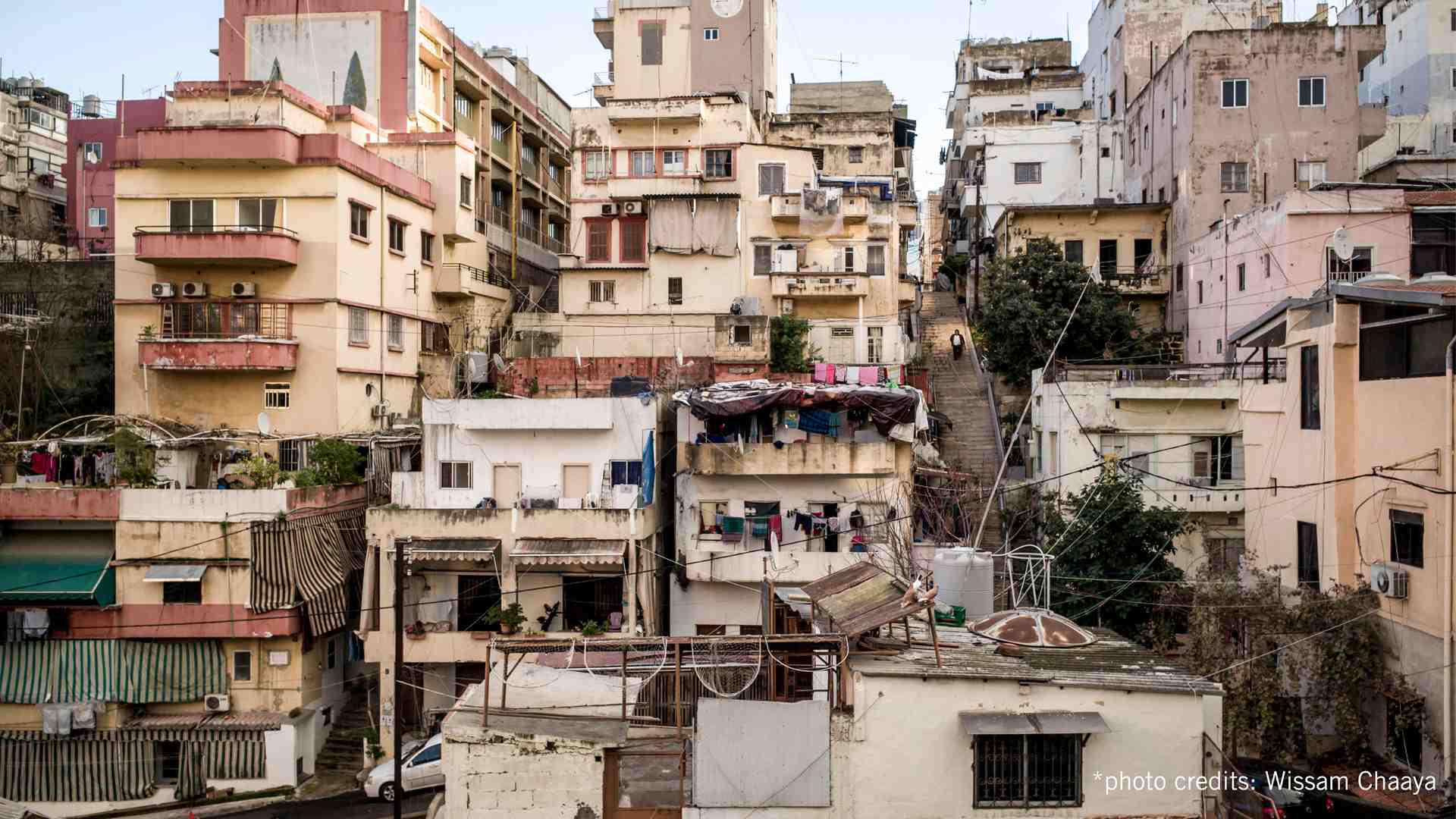
Among them are over 1.1 billion people living in informal settlements and slums, underscoring the scale of the challenge facing governments with only four years remaining before the 2030 deadline.
The report, prepared jointly by UN-Habitat and several UN agencies, including the UN Department of Economic and Social Affairs, WHO, UNEP, UNESCO, and UNDRR, provides the UN system’s assessment of progress on SDG 11, which seeks to make cities inclusive, safe, resilient, and sustainable.
UN Officials Call for Urgent Action
Presenting the report at UN Headquarters, UN-Habitat Executive Director Anacláudia Rossbach described adequate housing and slum upgrading as among the clearest indicators of whether the world is delivering on the promise of sustainable urban development.
Rossbach said the midpoint of the New Urban Agenda and the approaching 2030 deadline demand urgent action rather than incremental progress, warning that current efforts are insufficient to meet global commitments.
Meanwhile, Shirley Pryce, representing the Jamaica Household Workers Union, GROOTS Jamaica, and the Huairou Commission, urged policymakers to place women, caregivers, and marginalized communities at the center of urban planning. .
Progress Recorded in Key Urban Indicators
Despite the report’s stark warning, it notes several areas where measurable progress has been achieved.
Across 126 countries, the share of urban residents with convenient access to public transport increased from 53.2 percent in 2020 to 61.5 percent in 2025. In 123 countries, urban land consumption has become more closely aligned with population growth, suggesting improvements in urban planning and land-use management.
The report also found that municipal solid waste collection now exceeds 90 percent coverage in several regions, including North America, Europe, and Latin America and the Caribbean.
However, the UN cautions that these improvements are being outpaced by rapid urbanization and growing inequality. Four in ten urban residents still lack convenient access to public transportation, while housing affordability continues to deteriorate in many cities.
Rising Costs and Climate Risks
According to the report, housing affordability has become a major global concern, with half of all households spending more than 30 percent of their income on rent.
At the same time, the increasing frequency of disasters is placing additional pressure on urban populations. Between 2015 and 2024, disasters affected an average of 123 million people annually, highlighting the need for more resilient urban infrastructure and housing systems.
The report also identifies significant data gaps that hinder effective policymaking. While 101 countries now report on more than half of SDG 11 monitoring indicators, limited data on women, children, persons with disabilities, and informal settlement residents continues to obscure the full extent of urban inequality.
Housing as Key to Achieving Multiple SDGs
The UN report concludes that housing should be viewed not as a standalone objective but as a foundation for broader development goals.
It argues that investments in adequate housing and the upgrading of informal settlements can accelerate progress in poverty reduction, health, education, gender equality, climate resilience, and economic growth.
The findings will inform discussions at the HLPF and the upcoming High-Level Meeting of the UN General Assembly on the implementation of the New Urban Agenda on July 16–17, where governments will face renewed pressure to accelerate action before the 2030 deadline.