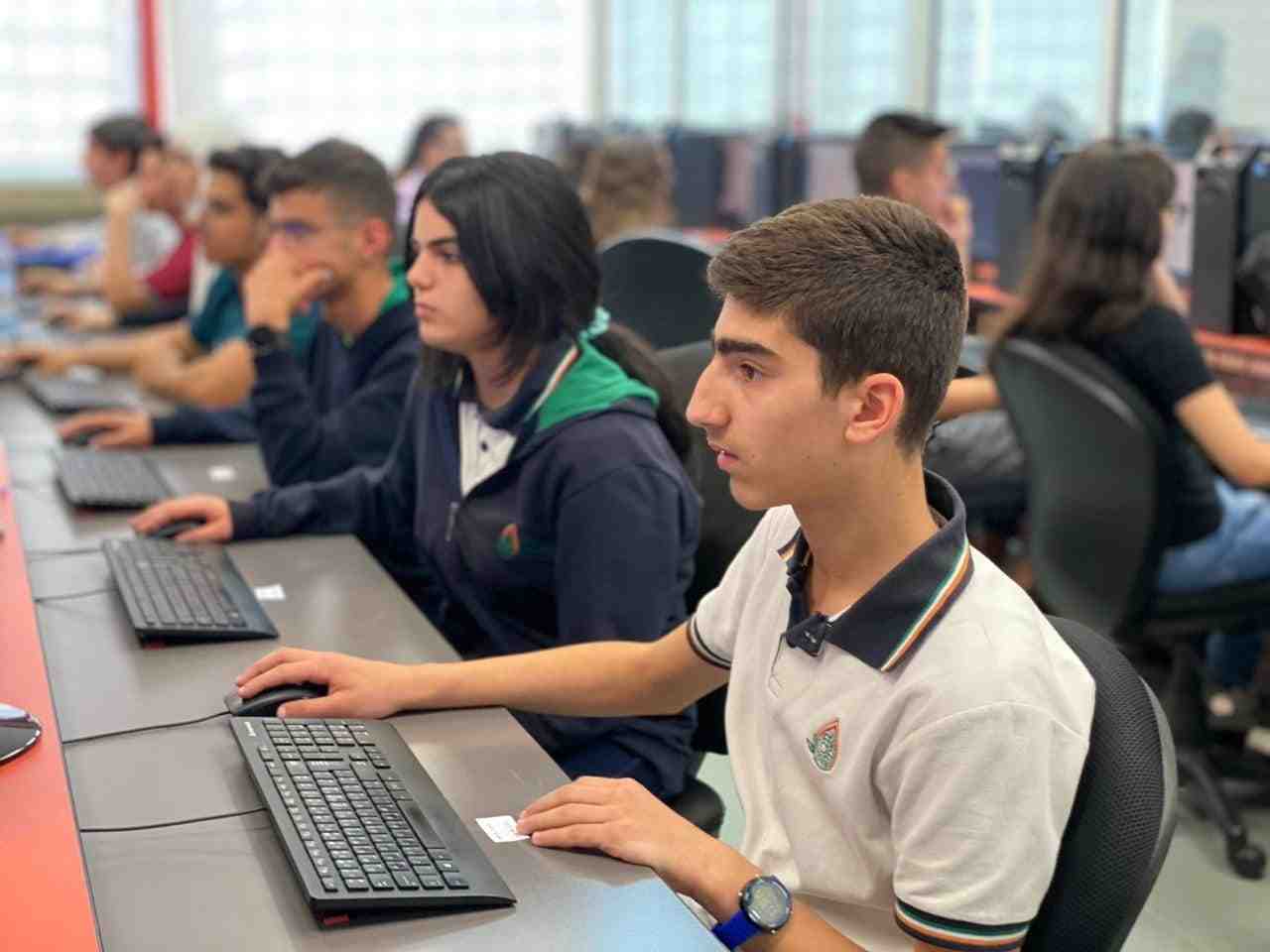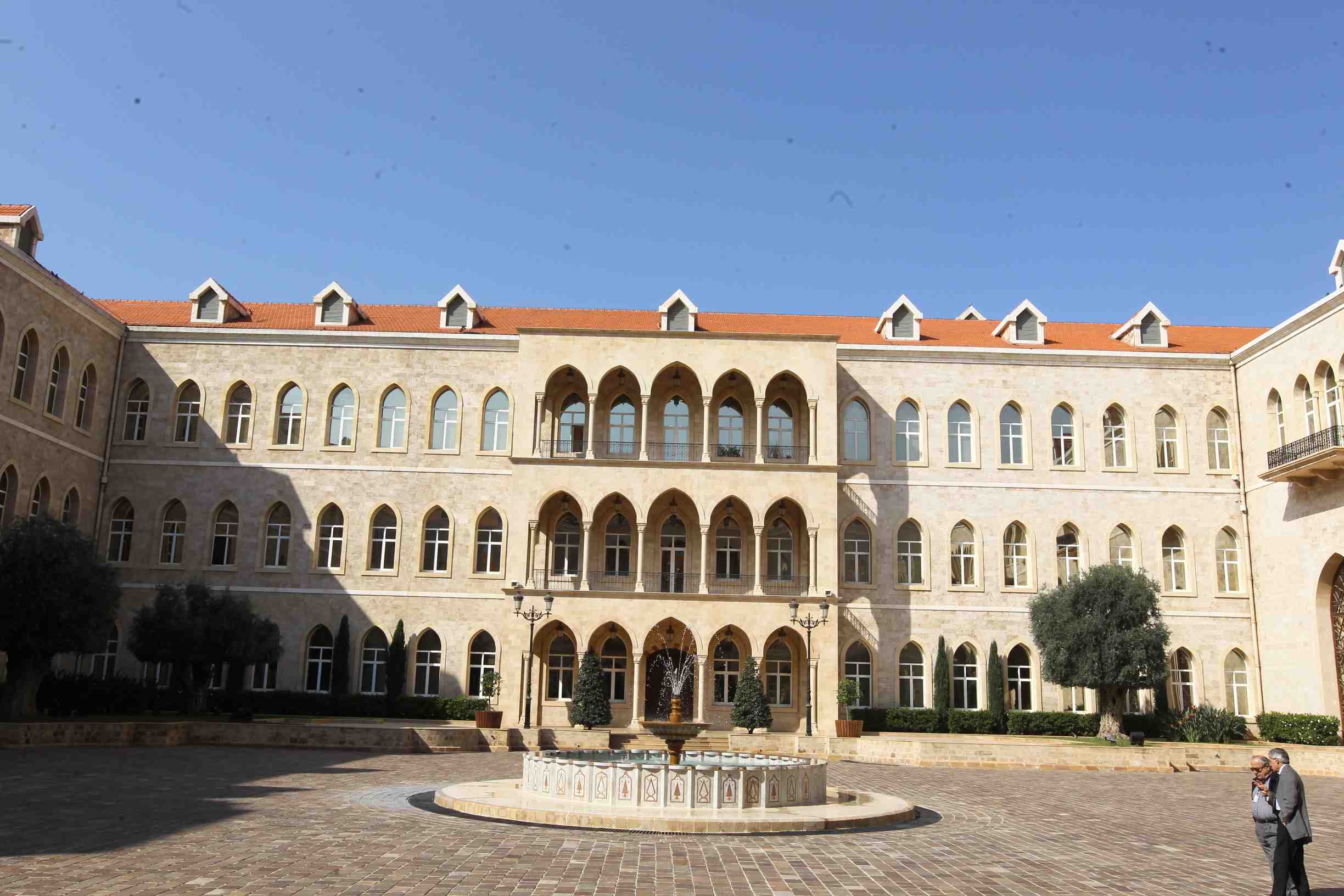







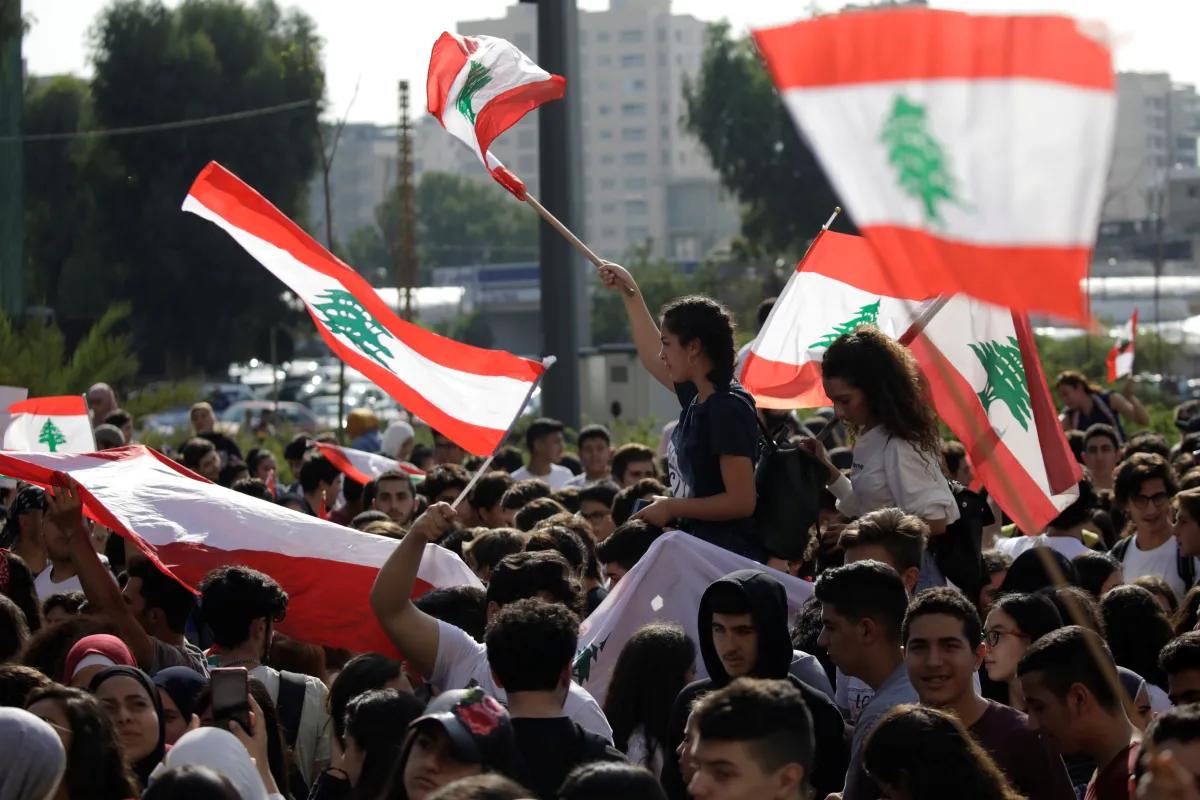
WORLD - Every year on July 15, World Youth Skills Day draws attention to the knowledge and abilities young people need to participate in the economy and shape their societies.
In 2026, the theme “Skills for a Shared Future” broadens that conversation by presenting young people not only as future workers, but also as citizens and agents of change.
From Future Workers to Agents of Change
For Lebanon, this distinction matters. Years of economic instability, conflicts and pressure on public services have shown that communities do not rely only on institutions during difficult periods.
They also rely on people who can recognize a problem, respond calmly, share reliable information and guide others towards appropriate support and build a resilient community.
This raises an important question: should youth-related skills become a more central part of how Lebanon prepares and empowers its young people?
Youth skills are commonly discussed in relation to employment, entrepreneurship, technology and vocational training. However, international frameworks increasingly define future-ready skills more broadly.
The International Labour Organization’s strategy on skills and lifelong learning emphasizes the need to equip people to adapt to economic, digital and environmental change while strengthening resilience and social inclusion.
Similarly, the World Economic Forum’s Future of Jobs Report 2025 identifies analytical thinking, technological literacy, resilience, flexibility and lifelong learning among the skills expected to grow in importance.
Health Literacy: A Skill for Everyday Resilience
Viewed through this wider lens, the ability to assess health information online, recognize signs of emotional distress and understand where to seek affordable care should not be treated as secondary knowledge.
Health literacy is not simply the ability to read a medical leaflet. The World Health Organization describes it as the knowledge and competencies people use to access, understand, evaluate and apply health information and services. In practice, this may mean knowing when a symptom requires professional attention, questioning misleading claims circulating online or helping a family member navigate an unfamiliar healthcare system.
In the Arab States, 86% of people aged 15–24 were using the internet in 2024, compared with 67% of the remaining population. Hence, digital literacy has become particularly important.
Social media and digital platforms can expand access to information, learning and opportunities, but they can also blur the boundaries between reliable content, advertising, misinformation and personal opinion.
Young people therefore need the critical-thinking skills to assess who produced a claim, what evidence supports it, why it is being shared and whether it can be trusted. Strengthening digital literacy also helps young people navigate online spaces more safely, protect their privacy and participate more responsibly in public conversations.
Mental health literacy is another important area. A young person does not need to be a psychologist to notice that a friend is withdrawing, struggling or speaking in ways that suggest they may need help. They can learn how to listen without judgement, avoid dismissive responses and encourage the person to seek appropriate support.
Lebanon’s National Mental Health Strategy emphasizes that improving mental health requires participation across society and recognizes that everyone can contribute to promoting and safeguarding well-being.
Environmental health skills are becoming equally relevant. Young people should be able to understand how heat, unsafe water, poor air quality and inadequate sanitation affect health. These risks are not separate from development. They influence school attendance, household spending, productivity and the burden placed on health services.
What is Being Done?
Some youth programs in Lebanon are already combining personal development, well-being, climate awareness and active citizenship. UNICEF Lebanon reports providing life-skills training to tens of thousands of adolescents, alongside activities addressing mental health, well-being and climate change.
Such initiatives suggest that health and employability do not need to be treated as competing priorities. Communication, empathy, decision-making and responsible leadership can serve young people in both the workplace and their communities.
There is a great benefit to training young people as community health connectors. Their role would be to share accurate information, recognize warning signs, encourage timely help-seeking and direct people towards qualified providers.
What Can Lebanon Do?
Schools, universities, municipalities and civil society organizations could invest in short, practical modules which offer training of these skills. Primarily focusing on health & digital literacy, mental health literacy, climate-related health and navigating the services through primary healthcare centers.
It is important that young people play an integral role in shaping these programs so that they speak the language, use the correct platforms and address concerns that reflect their lived reality.
For World Youth Skills Day, the message should extend beyond preparing young people to enter the labour market. Lebanon also needs young citizens who can make informed decisions, respond responsibly to challenges and contribute meaningfully to the well-being of their communities.
Building these capacities is a strategic investment in national development. Young people who are equipped with critical thinking, digital literacy, health awareness, communication and problem-solving skills are better prepared to participate in the economy, adapt to change and support those around them.
Skills as a Foundation for a Resilient Society
At the community level, these skills can strengthen social cohesion, improve the circulation of reliable information and encourage earlier access to appropriate health and social services. At the national level, they can contribute to a healthier, more productive and more resilient population.
Individual skills should therefore not be viewed only as personal assets. They are part of a country’s social infrastructure, strengthening public health, economic participation and collective resilience across multiple sectors.