






LEBANON - Lebanon presented its experience in protecting cultural heritage amid conflict and disasters during a high-level panel at the 48th Session of the UNESCO World Heritage Committee.
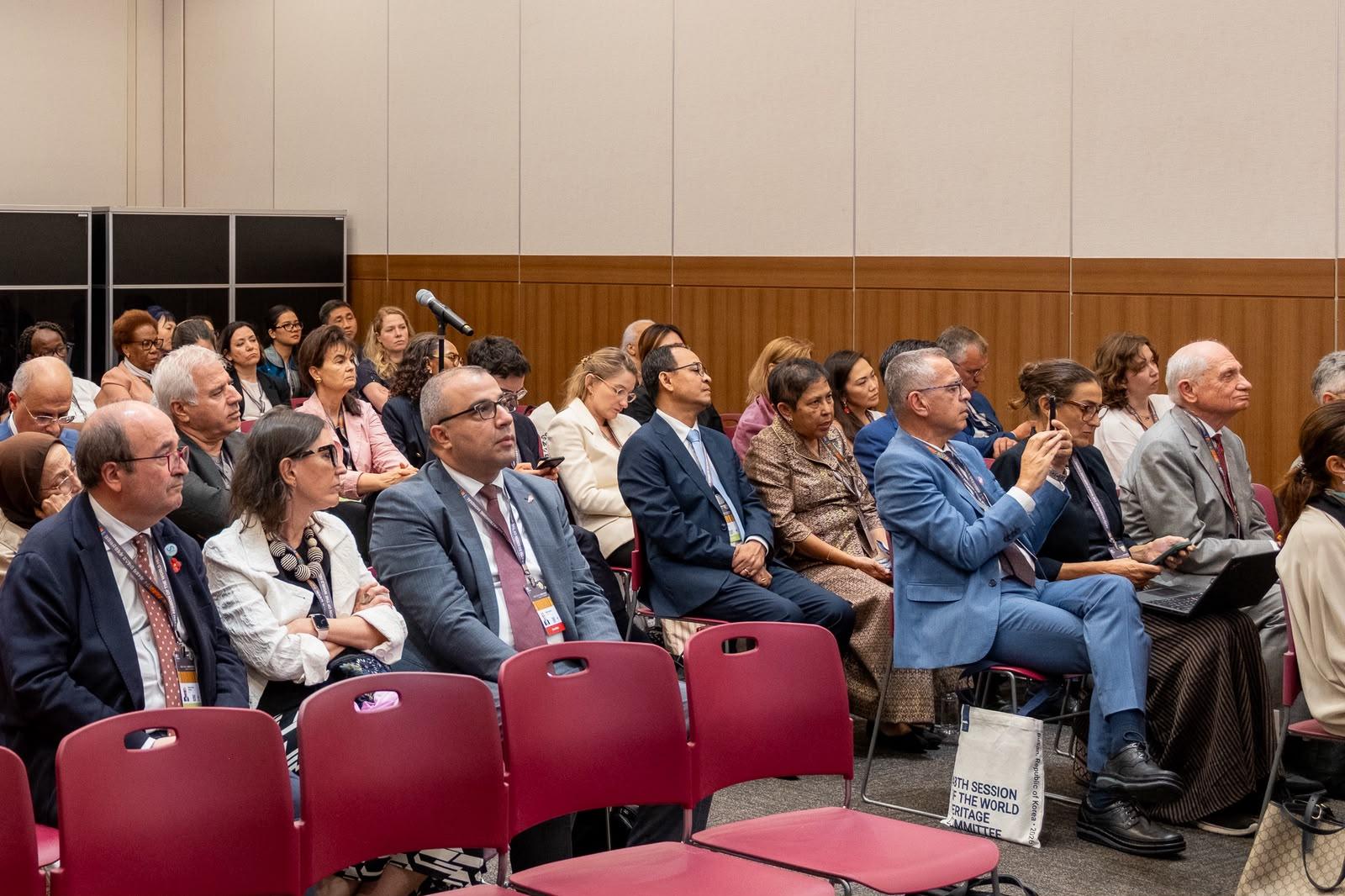
Held on July 21 in Busan, South Korea, the session titled “Lebanon: Protecting Cultural Heritage in Times of Conflict and Disasters - A Pillar for Peace” was organized by Lebanon’s Ministry of Culture and the Directorate General of Antiquities.
It brought together UNESCO officials, international heritage organizations and Lebanese cultural authorities to discuss lessons learned from decades of conflict and the challenges of safeguarding heritage during crises.
Heritage as a Victim of Conflict and a Tool for Peace
Opening the session, Lebanese World Heritage expert Jad Tabet stressed that cultural heritage is among the first victims of armed conflict, but can also serve as a powerful instrument for resilience and peacebuilding.
Tabet highlighted that Lebanon possesses one of the world’s highest densities of cultural heritage, but its sites and traditions have faced repeated threats for more than half a century due to successive conflicts.
He said Lebanon has developed extensive experience in managing the consequences of conflict on heritage, with ongoing efforts focused on documentation, emergency response, site protection and safeguarding cultural assets.
According to Tabet, Lebanon’s experience offers valuable lessons for other countries facing similar challenges, and emphasizes that international cooperation remains essential to protecting heritage and rebuilding communities.
UNESCO: Lebanon’s Heritage Requires Global Support
UNESCO Assistant Director-General for Culture Nayef Al-Fayez highlighted Lebanon’s “extraordinary cultural treasures,” saying they remain insufficiently known internationally despite their importance within archaeological circles.
“Protecting Lebanon’s heritage means preserving the spirit and identity of its communities,” Al-Fayez said, describing Lebanon’s experience as both a story of loss and a source of lessons learned.
He emphasized that supporting countries in heritage recovery, planning and capacity building remains central to UNESCO’s mission, particularly as conflicts and disasters continue to threaten cultural sites worldwide.
World Heritage Convention Goes Beyond Site Listings
Director of the UNESCO World Heritage Centre Lazare Eloundou Assomo said the World Heritage Convention is not only a mechanism for listing sites, but an international framework for protecting heritage before, during and after crises.
He explained that the convention provides tools for dialogue, international solidarity, conservation, monitoring and emergency response, allowing countries to cooperate in protecting heritage considered important to humanity as a whole.
Eloundou Assomo stressed that heritage protection must extend beyond preventing destruction and include support for recovery after communities experience trauma.
Lebanon’s Role in International Heritage Protection
Discussing international legal instruments, Eloundou Assomo praised Lebanon’s commitment to cultural heritage conventions, particularly the 1954 Hague Convention for the Protection of Cultural Property in the Event of Armed Conflict and its Second Protocol.
He said Lebanon’s participation in the Second Protocol Committee reflects its contribution to the global heritage community.
He also highlighted the importance of preparedness before conflicts occur, noting that many countries only recognize the need for emergency planning after experiencing destruction.
Digital technologies, including satellite monitoring, damage assessment and digital documentation, were identified as increasingly important tools for protecting heritage during crises.
ALIPH Calls for Rapid and Neutral Heritage Response
Valéry Freland, Executive Director of the International Alliance for the Protection of Heritage (ALIPH), identified agility and fraternity as the two main priorities in responding to heritage emergencies.
He said ALIPH has developed rapid financial mechanisms and international networks to support heritage protection efforts in crisis areas, including Gaza, Ukraine and Lebanon.
Freland stressed that humanitarian heritage response must remain neutral and that protection efforts should be separated from political considerations to ensure assistance can reach affected communities.
He added that Lebanon’s recent response demonstrated the importance of cooperation between the Directorate General of Antiquities, the Lebanese Army and civil society organizations.
Lebanon Highlights Scale of Heritage Damage
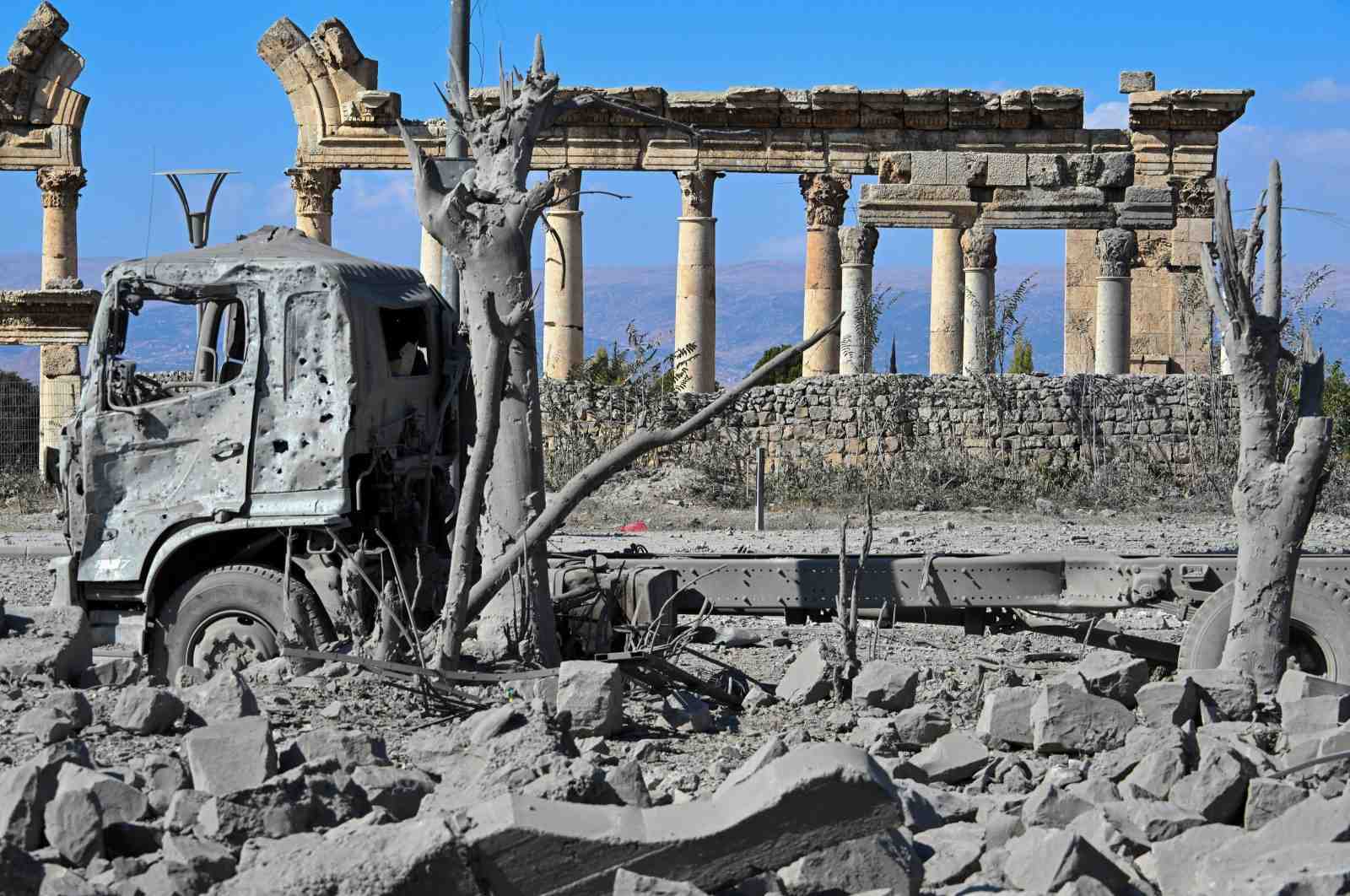
Lebanon’s Director General of Antiquities, Sarkis El Khoury, described the impact of recent attacks on the country’s cultural heritage, saying the damage affected not only monuments but also communities, landscapes, and traditional practices.
He said more than 65 historic villages were erased, while two World Heritage sites were affected. Historic cemeteries, agricultural heritage areas, olive groves and pine forests also suffered damage.
El Khoury emphasized that the consequences extended beyond physical destruction, with displacement threatening intangible heritage by weakening communities’ connections to their places and traditions.
He said Lebanon has worked closely with UNESCO and international partners, including ALIPH, to strengthen protection measures and support recovery efforts.
Local Communities Help Document and Protect Heritage
Ali Badawi, Regional Director for South Lebanon at the Directorate General of Antiquities, highlighted Lebanon’s heritage management approach, which focuses on preparation before conflict, emergency response during crises and recovery afterward.
He stressed the importance of comprehensive documentation, warning that some villages lacked sufficient records before destruction, resulting in the loss of valuable historical information.
Badawi also highlighted the role of local communities in heritage protection, particularly when resources were limited. Between 2024 and 2025, residents contributed to restoration efforts and helped document damage by providing photographs of affected houses and heritage sites to the Directorate General of Antiquities.
Protecting Heritage to Build Peace
The session concluded with a shared message among participants: safeguarding cultural heritage is not only about preserving historical sites, but also about protecting identity, strengthening communities and supporting recovery after conflict.
Lebanon’s experience was presented as an example of how heritage protection can contribute to resilience and sustainable peace in societies affected by crises.