






LEBANON – Lebanon’s water crisis cannot be understood simply as a shortage of water, experts warned during a conference held on Wednesday, calling for the sector to be approached through the principles of justice, public accountability and the right to water.
The conference brought together environmental specialists, journalists, researchers, municipal representatives and water-sector practitioners to examine the interconnected pressures affecting Lebanon’s water resources.
Discussions addressed longstanding weaknesses in water governance, pollution, groundwater depletion, climate change and unequal access to public services. Speakers also examined the destruction of water, wastewater and agricultural infrastructure during Israeli attacks since October 2023.
The conference was organized around three sessions covering water governance, the effects of war on water systems and possible approaches for rebuilding the sector more fairly and sustainably.
Lebanon’s Crisis Goes Beyond Water Scarcity
The first session examined how institutional fragmentation, weak regulation, inadequate public services and limited accountability have shaped Lebanon’s water crisis.
Speakers discussed how many households increasingly depend on a combination of public networks, private suppliers, tanker trucks, wells and informal arrangements to meet their daily needs.
This hybrid system means that access to water often depends on where people live and how much they can afford to pay, raising questions about whether water is being treated as a public good and fundamental right.
The session also examined Lebanon’s national water strategy and whether current reforms adequately address affordability, participation and unequal access, or remain primarily focused on infrastructure, cost recovery and donor-supported projects.
Participants argued that improving water security will require more than building new infrastructure. It will also require stronger public institutions, transparent decision-making and systems that ensure safe and affordable access for all communities.
Water Infrastructure Under Attack
The second session focused on the effects of Israeli attacks on water systems in South Lebanon and the Bekaa, particularly across communities connected to the Litani River basin.
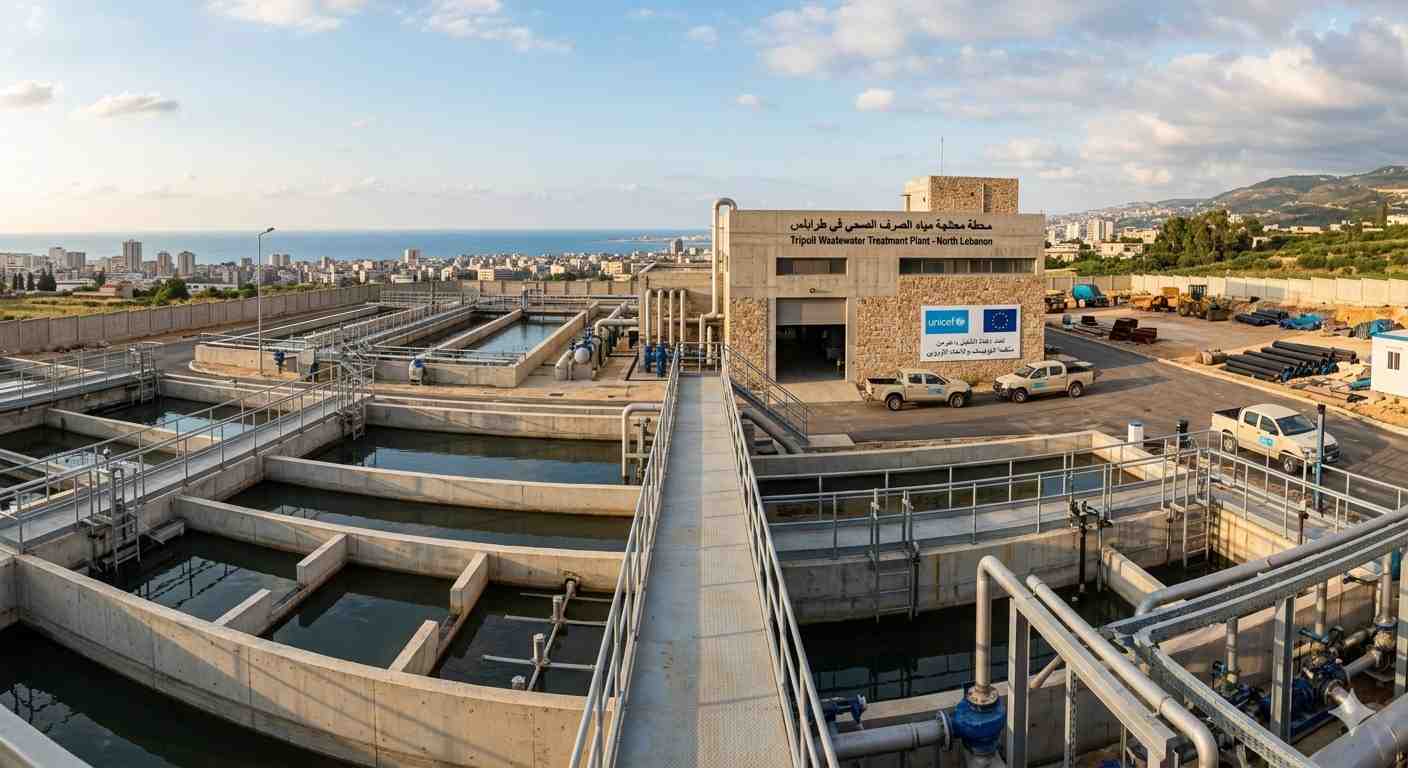
Participants discussed reported attacks on wells, pumping stations, reservoirs, irrigation canals, water networks and wastewater treatment facilities.
They warned that the destruction of these systems has consequences extending far beyond immediate water shortages. It can prevent farmers from cultivating their land, expose communities to pollution and disease, and make it difficult for displaced families to return to their towns.
Environmental engineer Ahmad Jammal said environmental groups had been documenting attacks since the beginning of the war, with particular attention to the reported use of white phosphorus in South Lebanon.
He said the incidents were being recorded through an interactive map that could later support environmental assessments and the development of possible remediation measures.
The documentation, he explained, is intended to establish where attacks occurred and create a foundation for examining their longer-term effects on land, water and local communities.
Historic Local Wells Destroyed
Journalist Saada Allaw highlighted the loss of locally established wells that had supplied communities in approximately 55 southern towns for many years.
According to Allaw, many of these wells are no longer available because of the attacks, leaving communities without essential local water sources.
She questioned how displaced residents could reasonably be expected to return to towns where they may no longer have reliable water for drinking, household use or agriculture.
Her remarks highlighted how the destruction of water infrastructure affects not only physical reconstruction, but also the feasibility of return and the survival of local communities.
Restoring houses alone, participants warned, will not be enough if residents return to areas without functioning water networks, irrigation systems, wastewater facilities or safe agricultural land.
Questions Remain Over Chemical Contamination
Allaw also stressed the importance of documenting the environmental consequences of the war, including the possible effects of reported chemical spraying along Lebanon’s southern border.
She said scientific institutions, including the National Council for Scientific Research, were documenting attacks and environmental damage. However, major questions remain about the possible effects of glyphosate and other reported chemicals on soil and groundwater.
The full extent of contamination may not be immediately visible, participants warned, particularly when chemicals enter agricultural soil, surface water or underground water systems.
Such impacts could continue long after hostilities end, affecting drinking water, food production, ecosystems and public health.
Allaw argued that documenting the destruction and possible contamination is essential for establishing accountability, supporting scientific investigation and protecting the rights of affected communities.
Wastewater Failures Add Pressure on the Litani
Former municipal union head Yehya Daher said attacks had also disrupted wastewater treatment facilities around the Litani River.
With some treatment plants no longer functioning, untreated wastewater may place additional pressure on a river already suffering from severe and longstanding pollution.
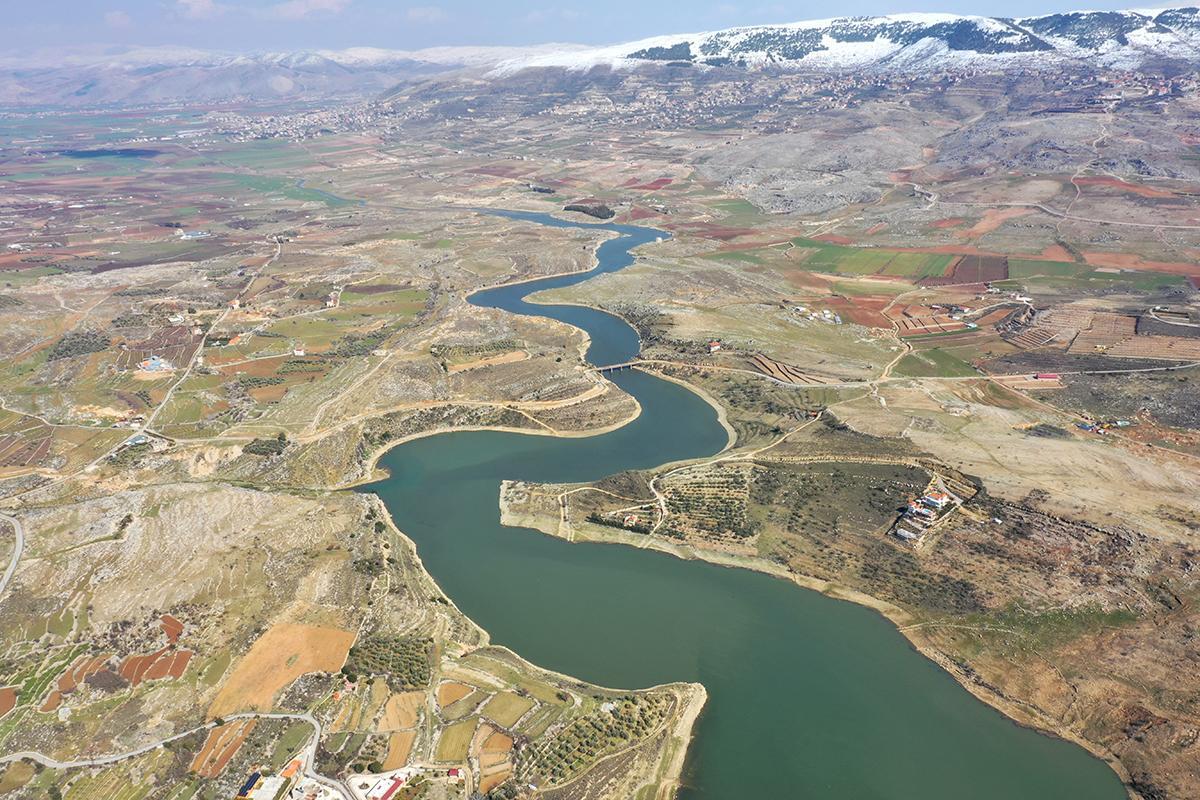
The Litani is one of Lebanon’s most important water resources, supporting agriculture, irrigation, energy production and communities across several regions.
Damage to wastewater facilities therefore risks worsening an existing environmental crisis while increasing potential health and livelihood risks for communities that depend on the river.
Daher also drew attention to small farmers who are increasingly unable to cultivate their land because of water shortages, damaged irrigation infrastructure and insufficient financial and institutional support.
For these farmers, losing access to water does not only mean losing a crop. It can mean losing their primary source of income and their ability to remain connected to their land.
Rebuilding Water Systems More Fairly
The conference’s final session explored how Lebanon could rebuild its water systems while addressing the weaknesses that existed before the war.
Speakers discussed restoring rivers, watersheds and freshwater ecosystems through nature-based solutions, as well as connecting water management more closely with agriculture, urban planning, climate adaptation and food security.
The panel brought together experts in environmental conservation, sustainable agriculture, natural resource governance and water management, including Yaser Abunnasr, Serge Harfouche, Roula Majdalani, Faraj Al Awar and Nadim Farajalla.
Participants emphasized that rebuilding should not simply restore damaged systems to their previous condition. Instead, reconstruction could provide an opportunity to develop more resilient, publicly accountable and environmentally sustainable water systems.
This would require meaningful community participation, stronger coordination between institutions and greater recognition of the different ways water insecurity affects farmers, low-income households, displaced communities and areas exposed to conflict.
Water as a Question of Justice
The conference concluded with a broader message: Lebanon’s water crisis is not only a technical or environmental problem.
It is also a question of who controls water, who can afford it, whose communities receive public investment, and who bears the consequences when institutions fail, or infrastructure is destroyed.
Approaching the sector through water justice places these questions at the centre of policymaking.
For Lebanon, rebuilding water systems will therefore require more than repairing pipes, wells and treatment plants. It will require restoring ecosystems, supporting livelihoods, documenting environmental harm and ensuring that access to safe and affordable water is treated as a public responsibility and a fundamental right.