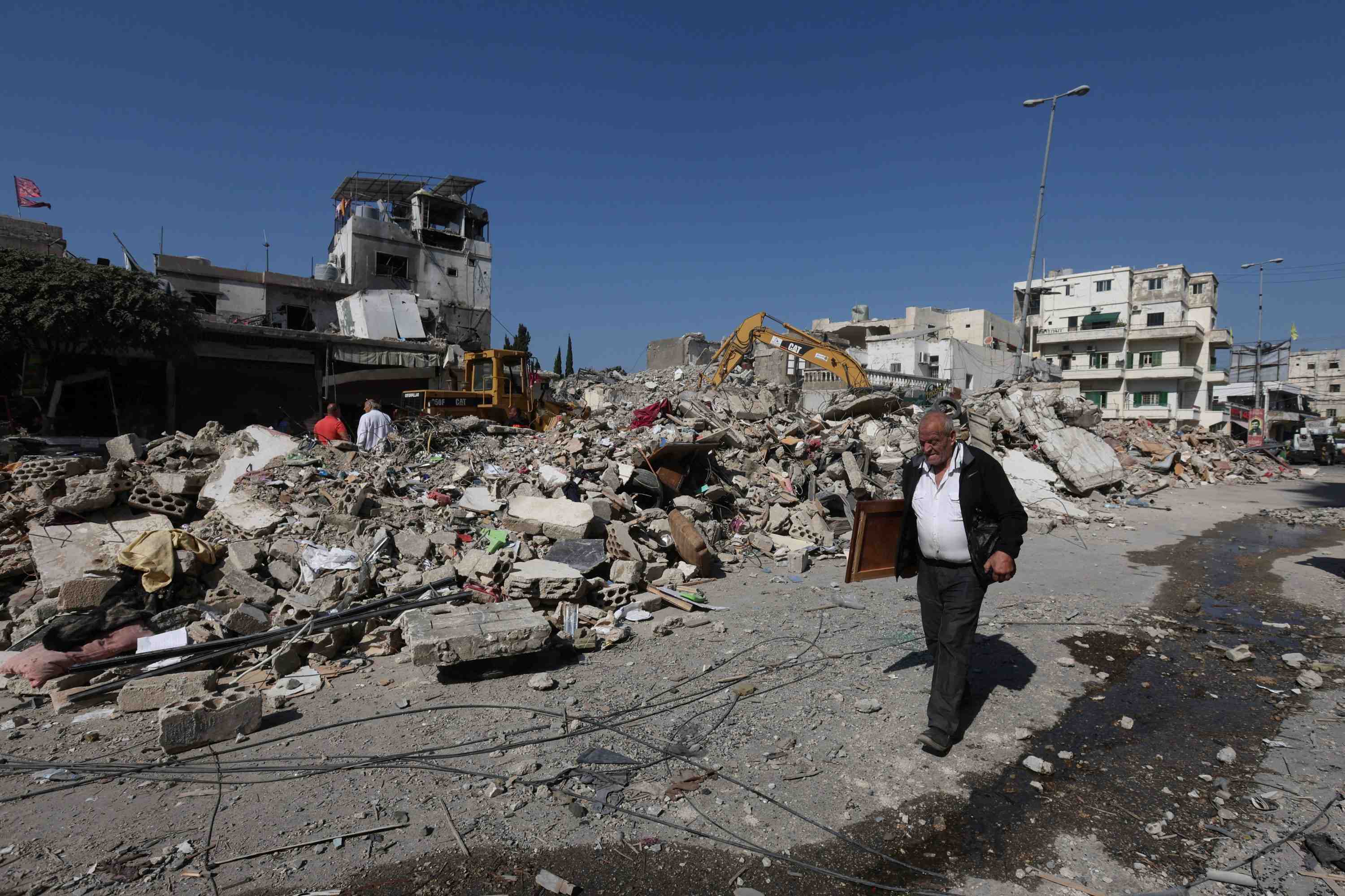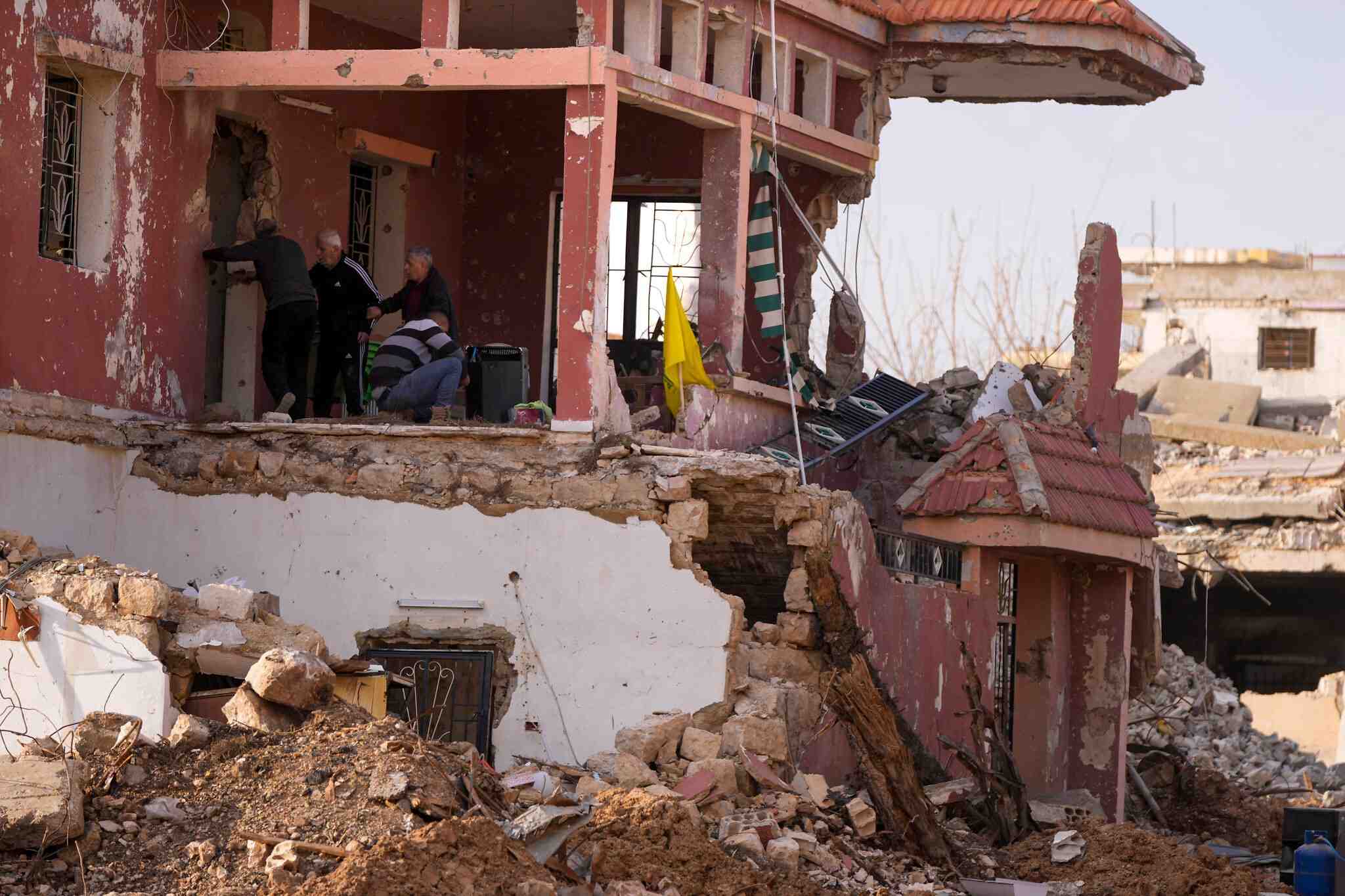





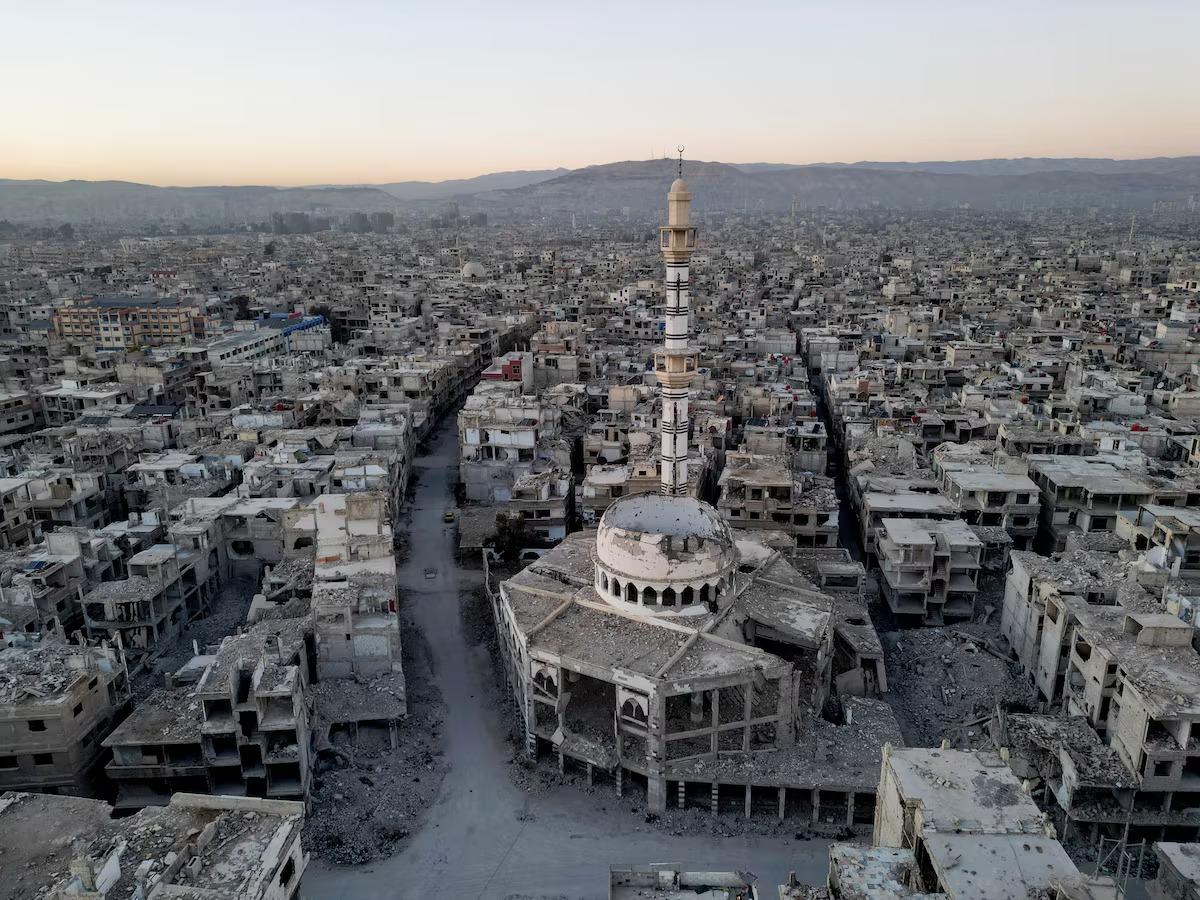
LEBANON – When a neighbouring country begins emerging from years of war and destruction, reconstruction does not simply start from scratch. It also opens up a wide range of economic opportunities for the countries around it.
In Syria’s case, these opportunities could extend to Lebanon, which has a strategic geographic location, extensive experience in reconstruction, engineering firms and institutions capable of providing services, as well as a banking sector that has historically been part of the regional economic landscape.
But the question today is: Is Lebanon truly ready to benefit from Syria’s reconstruction, or could its own internal crises cause it to miss another emerging economic opportunity?
According to economist and member of the Economic, Social and Environmental Council Dr. Anis Abou Diab, Lebanon could play an important role in Syria’s reconstruction, but it must first rebuild its own economic capabilities.
Lebanon as a Platform for Reconstruction Financing?
In an exclusive interview with Enmaeya, Abou Diab argues that Lebanon could become a regional platform supporting Syria’s reconstruction, particularly through its banking sector.
However, he believes this requires accelerating the restructuring of Lebanon’s banking sector, considering it an essential step not only to restore financing to the Lebanese economy itself, but also to enable the country to play a role in financing reconstruction projects in Syria.
Large-scale reconstruction projects require financial channels capable of absorbing international funding, whether through international institutions, aid, or foreign investment.
Abou Diab notes that Syria’s banking sector may not currently be able to absorb the full scale of financial flows associated with reconstruction. This could give Lebanon an opportunity to become part of the reconstruction ecosystem, provided it succeeds in reforming its banking system and restoring confidence in its financial institutions.
Paradoxically, therefore, Syria’s reconstruction could begin with the reconstruction of Lebanon’s own economy.
From Banks to Engineering Firms
The opportunity, however, extends beyond the financial sector.
According to Abu Diab, Lebanon has extensive experience in reconstruction, particularly through engineering and real estate companies and contractors that have accumulated expertise in rebuilding cities and infrastructure damaged by wars and crises.
This experience could give Lebanese companies an opportunity to participate in tenders and projects that Syrian authorities may launch in the coming years.
Lebanese companies with a presence in the Gulf, the United States and other markets could also leverage their international networks to enter into partnerships and participate in reconstruction-related projects.
The benefits would not be limited to companies.
Participation in these projects could create opportunities for Lebanese engineers, technicians and workers, while also opening the door to bringing back some of the skills and expertise that have been lost to emigration in recent years.
Could Lebanon Become a Base for Foreign Companies?
Abu Diab believes Lebanon could also play another role: serving as a platform for foreign companies involved in Syria’s reconstruction.
If Lebanon can achieve greater political and security stability and improve its business environment, it could become a base or launching point for European, American and other international companies working on reconstruction projects in Syria.
This could generate economic activity extending beyond the companies themselves.
Foreign workers, experts and engineers involved in projects inside Syria could use Lebanon as a base for accommodation and access to services, education, healthcare and hospitality, benefiting from its geographic proximity to Syria.
In this sense, Syria’s reconstruction could create opportunities for Lebanese sectors such as hotels, restaurants, services, transport, healthcare and education.
Tripoli and Qlayaat Airport: Two Potential Gateways
Geography could be one of Lebanon’s greatest advantages.
Abou Diab highlights the importance of Tripoli and its port as one of Lebanon’s closest points to Syria, potentially giving the city a role in transporting construction materials, raw materials and equipment used in reconstruction projects.
The reopening of Qlayaat Airport, in his view, could add another dimension to this ecosystem by improving the movement of people and services and supporting economic activity in northern Lebanon.
Lebanon could therefore benefit from its geographic position not only as a transit route for goods, but also as a logistics and services hub supporting companies and investors involved in Syria’s reconstruction.
Turning this potential into reality, however, would require substantial investment in infrastructure, modernising ports, airports and roads, and facilitating the movement of goods and people across the border.
Borders and Regulations: Opportunity Requires Facilitation
Even if Lebanon has the companies, expertise and geographic location needed to benefit from Syria’s reconstruction, its gains will remain limited unless legal and administrative barriers are addressed.
Abou Diab believes there is a need to review some of the existing agreements between the two countries and update the laws governing trade and investment, while simplifying procedures related to customs duties, visas and the movement of people and goods.
Facilitating the movement of goods and people through border crossings could also be a key factor in strengthening economic cooperation between the two countries.
Every additional delay or bureaucratic procedure can increase costs for companies and, consequently, reduce Lebanon’s ability to compete.
Two Economies in Need of Reconstruction
Syria’s reconstruction, however, will not take place in isolation.
Lebanon itself faces significant challenges, from its economic and financial crisis to damaged infrastructure and the need to rebuild several areas.
Abou Diab believes the two countries could benefit from each other’s expertise, particularly as both face reconstruction-related needs.
There may be opportunities for cooperation in sectors such as construction, engineering, logistics and energy, as well as for leveraging the expertise and workforce available in both countries.
Such cooperation, however, requires clear policies and a legal framework ensuring that the movement of labour, investment and trade forms part of an integrated economic strategy rather than a temporary response.
Can Lebanon Afford to Wait?
Perhaps Lebanon’s greatest challenge is time.
The reconstruction process will not wait until all of Lebanon’s internal crises are resolved.
If companies, countries and international institutions begin forming partnerships and launching projects, Lebanon could find itself left out of the competition unless it acts quickly.
The first step, therefore, may be to put its own house in order: restructure the banking sector, improve the business environment, develop infrastructure and modernise regulations that hinder investment and trade.
According to Abou Diab, the establishment of a Lebanese-Syrian Business Council represents a positive step that can be built upon to strengthen ties between the private sectors of both countries.
This could be complemented by increased joint meetings between Lebanese and Syrian economic officials, helping to establish a new framework for economic relations.
An Opportunity That Requires a Long-Term Vision
Syria’s reconstruction could be an opportunity for Lebanon, but it is not guaranteed to become a driver of growth automatically.
Competition will be intense, with countries and companies from around the world seeking a share of reconstruction projects.
For Lebanon to succeed, it must offer more than geographic proximity.
It needs a banking sector capable of handling international financing, competitive companies, modern infrastructure, efficient border procedures, a stable business environment and a clear economic strategy.
The sustainable benefits of Syria’s reconstruction should also go beyond short-term profits. They should contribute to building more productive Lebanese sectors, creating sustainable jobs and strengthening the capabilities of local companies.
Ultimately, Syria’s reconstruction could become one of the biggest economic opportunities to emerge for Lebanon in the coming years.
But opportunity alone is not enough.
Lebanon has the geographic position, expertise, human resources and companies capable of participating.
The question is whether it can rebuild its own economy in time to become a partner in rebuilding its neighbour, rather than watching the opportunity pass it by.
Because in a reconstruction phase, the competition is not only over who will rebuild the cities that have been destroyed, but also over who will secure a place for themselves in the new regional economy that will emerge alongside them.