







BEIRUT - The Port of Beirut has launched a new electronic payment service as part of ongoing efforts to modernise operations, improve public services and accelerate digital transformation across one of Lebanon’s key trade facilities.
The Port of Beirut Management and Operation Authority, represented by its Chairman and General Manager Marwan Naffi, signed agreements with several financial and electronic payment providers, including Neo – Bank Audi, OMT, Whish Money, BoB Finance, MTM/Ria, and NetCommerce, to enable the new service.
The initiative will allow businesses and individuals dealing with the port to pay fees electronically through a network of financial institutions and digital payment centres, reducing reliance on traditional payment methods and simplifying administrative procedures.
The service is expected to provide users with more flexible payment options, shorten transaction processing times, and enhance efficiency, security and transparency in the port’s financial operations.
The agreements were signed during an official ceremony held at the Port of Beirut, attended by representatives of the participating companies and financial institutions.
The launch coincided with the official start of the electronic payment service after the completion of testing phases and verification of the readiness of the digital systems and payment channels.
Naffi described the launch as a key milestone in the port’s modernisation process and its transition toward digital services.
“Launching the electronic payment service represents an important step in the journey of updating the Port of Beirut and moving toward digital services. It reflects the administration’s commitment to developing the working environment and adopting advanced technological solutions that keep pace with global developments in port management,” Naffi said.
He added that the initiative forms part of a broader plan to modernise administrative and operational procedures, improve users’ experience, increase performance efficiency, and strengthen principles of good governance and transparency.
“The transformation of public facilities into digital environments has become a necessity to enhance their development and competitiveness,” Naffi said.
“The Port of Beirut Management and Operation Authority will continue implementing projects that contribute to upgrading its services and meeting the requirements of the next phase.”
The introduction of electronic payments comes as Lebanon seeks to modernise public sector services and improve operational efficiency through digital solutions.
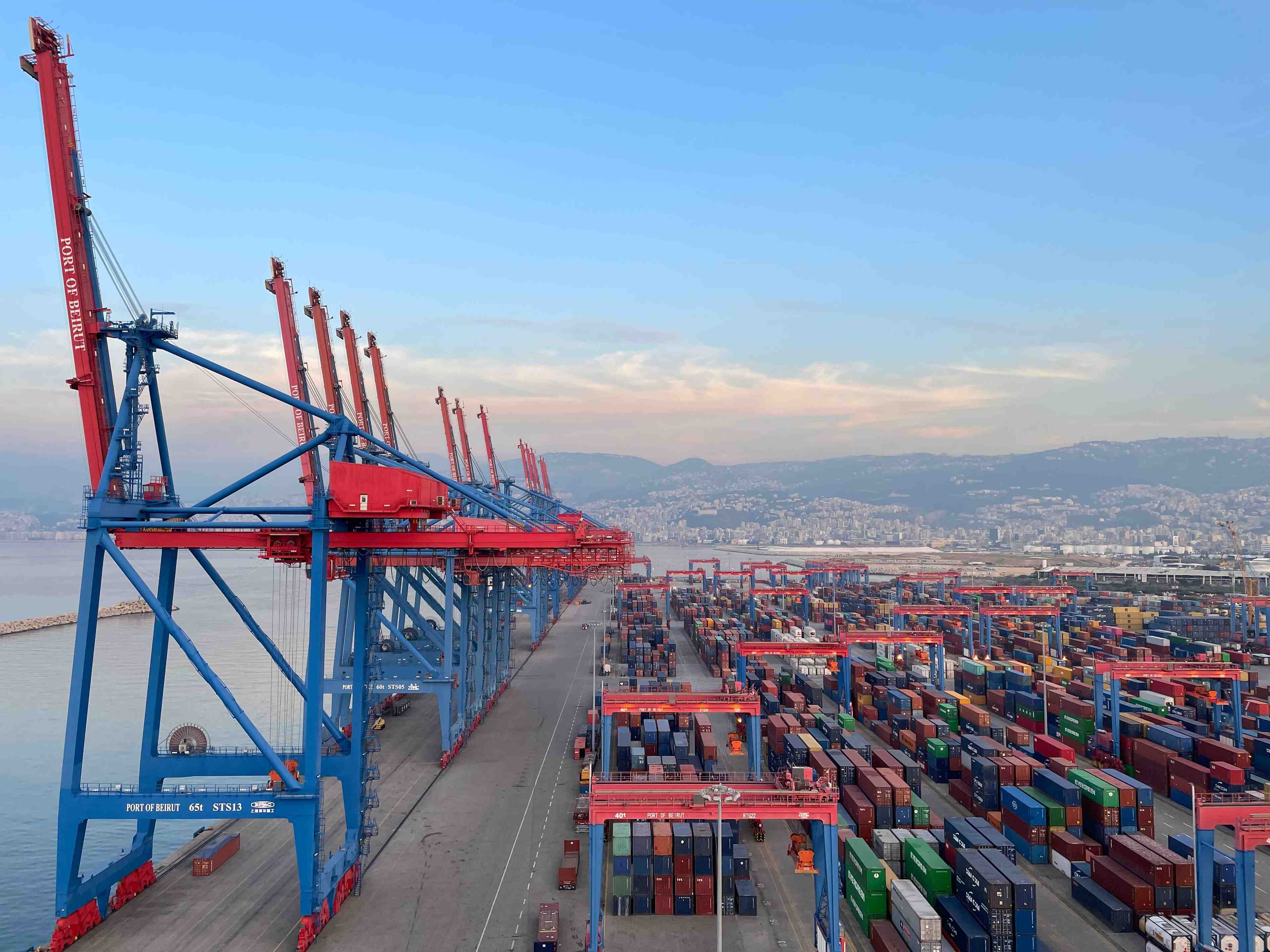
For the Port of Beirut, which remains a central gateway for the country’s maritime trade, the move is part of wider efforts to enhance service delivery and align operations with international standards.
The authority said it will continue developing digital initiatives aimed at improving accessibility, reducing administrative delays and strengthening the port’s role as a modern logistics hub.