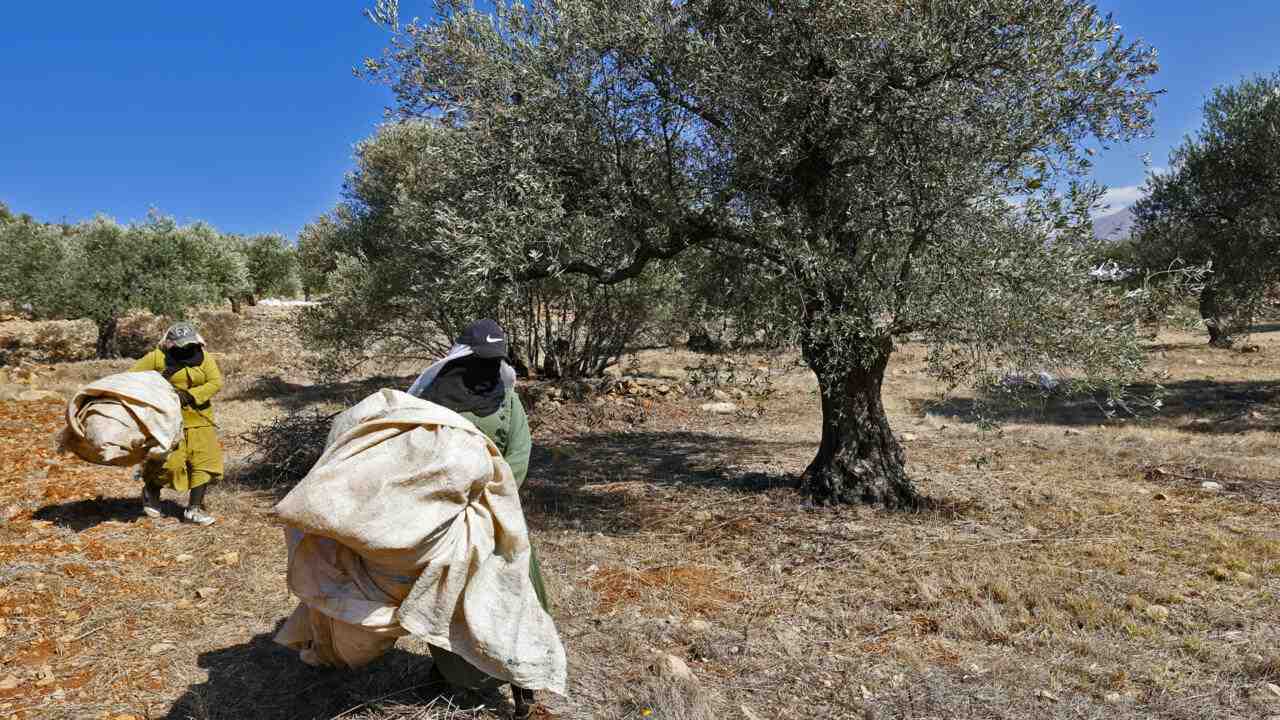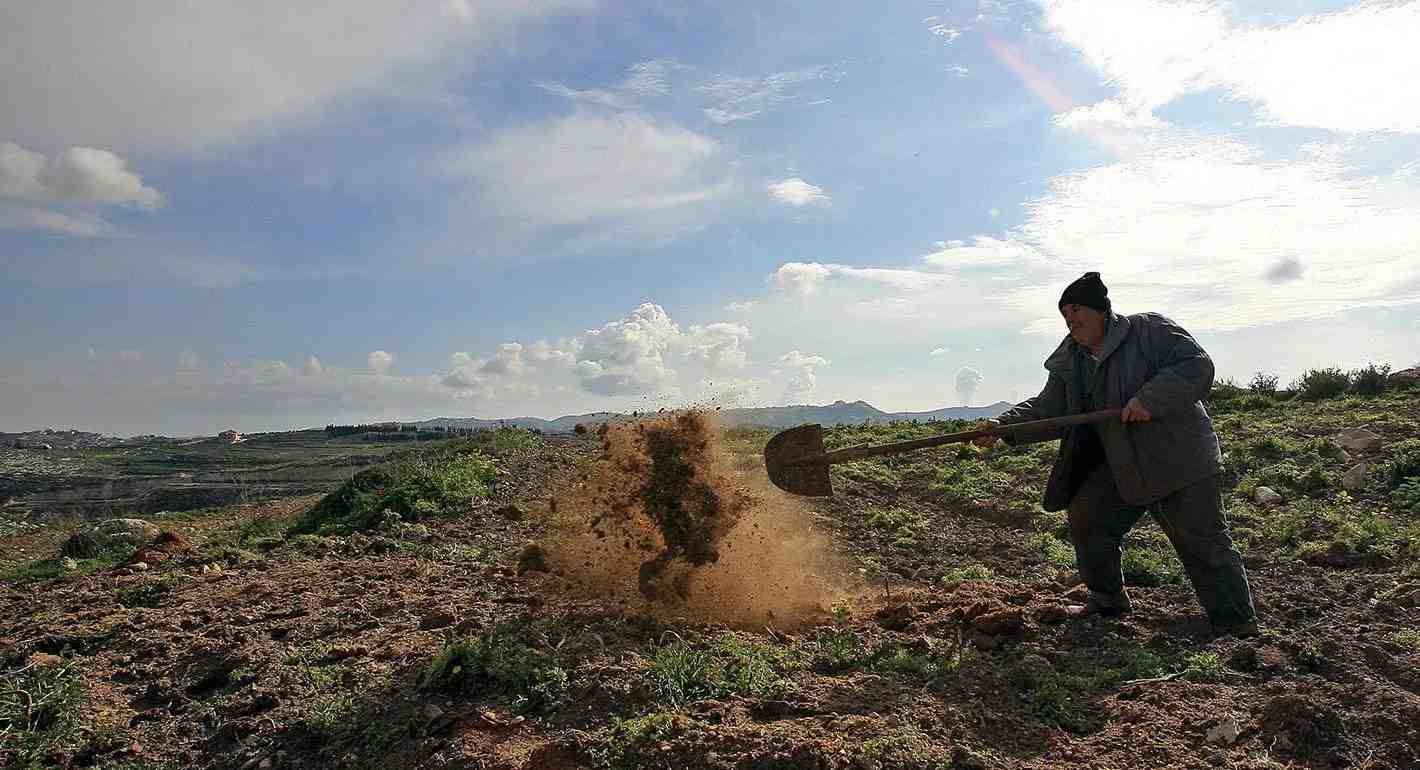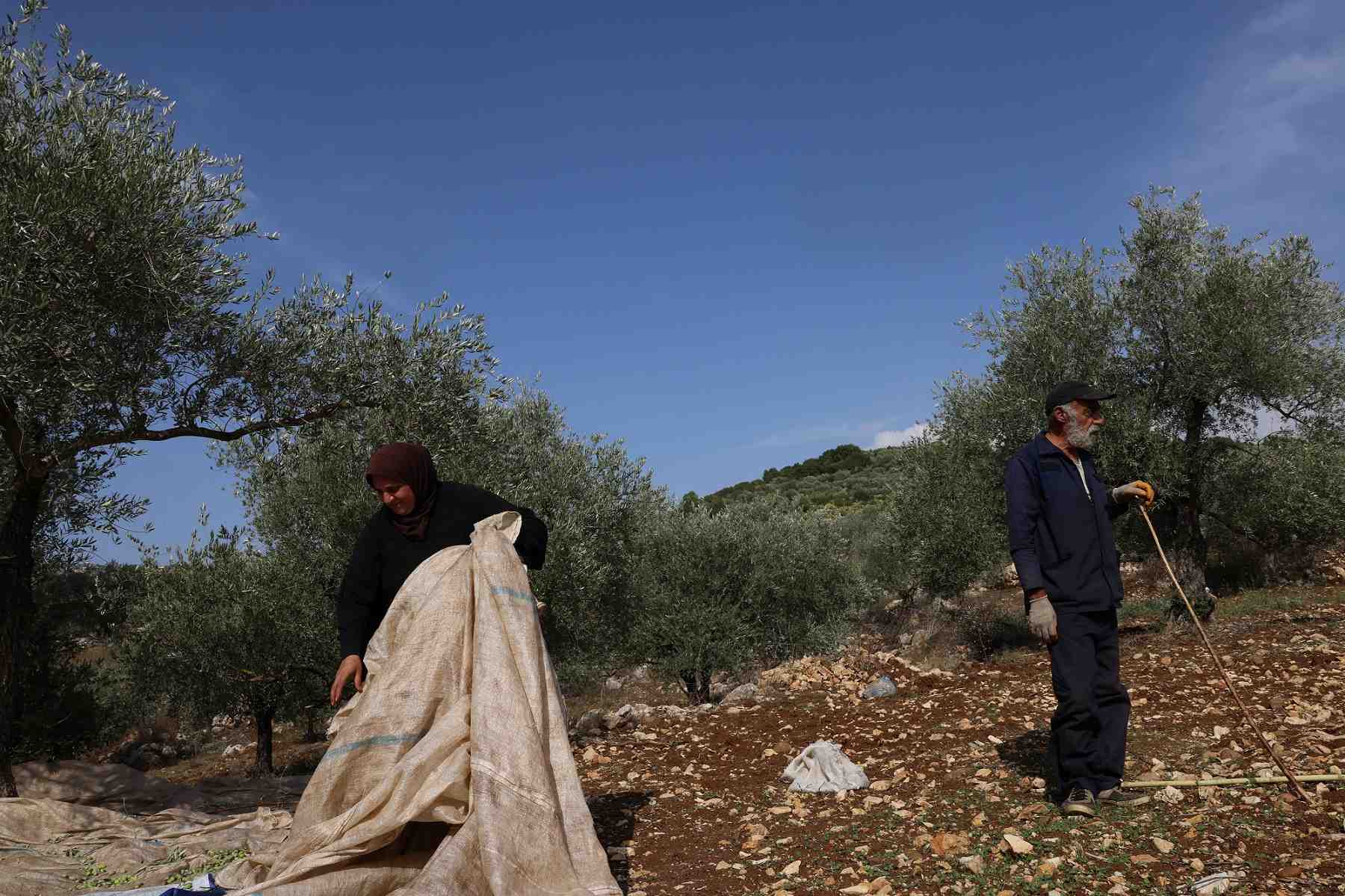








LEBANON - The 2026 war dealt a severe blow to Lebanon's agricultural sector, particularly in the South, Bekaa, and Baalbek-Hermel. Lebanon's Ministry of Agriculture has estimated that 22% of the country's farmland was damaged by the war, with officials placing direct losses at $541 million to $1 billion.
Those numbers build on an already battered baseline: a joint damage and loss assessment by the FAO, Lebanon's Ministry of Agriculture, and CNRS-L found that the sector had already absorbed $118 million in damages and $586 million in losses between October 2023 and November 2024, with reconstruction needs estimated at $263 million.
Beyond damaged land, the war destroyed irrigation networks, greenhouses, equipment, and other productive assets that many farmers depend on to earn a living.
Rebuilding this sector will require investment. Yet these needs come at a time when Lebanon's banking sector continues to grapple with the aftermath of its financial crisis, leaving access to credit severely constrained. As Lebanon shifts from emergency relief toward long-term recovery, this raises an important question: could restoring access to productive bank credit become one of the tools needed to revive the country's agricultural sector — and if so, what would it actually take to get there?
Why Credit Matters in Agriculture
Agriculture is one of the most capital-intensive sectors in terms of timing. Farmers must spend on seeds, fertilizers, irrigation, fuel, machinery, and seasonal labour months before they earn any income from their harvest. This means that even profitable farms can struggle to operate without access to affordable financing.
In post-war Lebanon, these financing needs are even greater. Beyond preparing for the next planting season, many farmers must also rehabilitate damaged land, replace irrigation systems, repair equipment, and restore greenhouses destroyed during the conflict. Without proper financing, recovery can be delayed, limiting both production and rural livelihoods.
Economic research suggests that this challenge extends beyond cash flow. Access to formal agricultural credit can directly influence how efficiently farms operate and how much they produce.
A 2023 empirical study based on Indonesia found that farmers with access to institutional credit achieved significantly higher levels of technical efficiency and productivity than those without formal financing. By easing financial constraints, credit enabled farmers to invest in improved inputs and technologies, resulting in better use of land, labour, and other resources.
But while Lebanon's agricultural sector faces additional war-related challenges, damaged infrastructure, rising input costs, and constrained export markets, the underlying principle remains relevant.
Credit operates as an investment tool that enables farmers to restore production, adopt more productive technologies, and strengthen the long-term resilience of the sector. It cannot replace broader reforms, but access to productive finance plays a crucial role in agricultural recovery.
Lebanon's Financing Challenge
If access to credit is an important driver of agricultural investment and productivity, Lebanon faces a significant obstacle. Since the financial crisis erupted in 2019, commercial bank lending has contracted dramatically as banks continue to grapple with impaired balance sheets, frozen deposits, and an unresolved restructuring process.
According to the IMF, the banking sector remains largely unable to provide credit to the economy, limiting investment across productive sectors.
While this contraction has affected businesses across the economy, it has left farmers and agribusinesses with few formal financing options at a time when rebuilding productive capacity is more important than ever.
Before the crisis, programs such as Kafalat helped bridge this financing gap by providing credit guarantees that encouraged banks to lend to small and medium-sized enterprises, including agricultural businesses, guaranteeing between 75% and 85% of eligible agricultural loans. The scale of that support has shrunk considerably.
Central Bank data compiled by CEIC show that in 2016 alone, Kafalat-guaranteed agricultural lending totalled roughly LBP 48.8 billion — about $32 million at the pre-crisis peg. By contrast, Kafalat's own published figures show just 761 active agricultural loan guarantees outstanding as of end-2022, out of roughly 2,300 active loans across all sectors.
Today, these financing channels have largely disappeared. As Lebanon considers how to rebuild both its economy and its banking sector, an important question remains: how can productive sectors such as agriculture regain access to the finance needed not only to recover from the war, but to invest in their long-term growth?
If Agriculture Is Risky, Why Would Banks Lend to Farmers?
Across many developing economies, governments have recognized that commercial banks are often reluctant to finance agriculture because of weather risks, price volatility, and limited collateral.
Bank credit is unlikely to flow to agriculture unless the risks are shared. Recognizing this challenge, Morocco did not simply encourage banks to lend more. Instead, it reduced the risks associated with agricultural lending.
Under the Green Morocco Plan, the government partnered with Crédit Agricole du Maroc to establish Tamwil El Fellah, a financing vehicle for small farmers excluded from conventional bank credit and backed by a dedicated public guarantee mechanism. The results are documented: according to a World Bank project assessment, cumulative loans disbursed between 2017 and 2020 increased by roughly 59%, even as the program held to a loan repayment rate of 98%.
By absorbing a share of the default risk, the state guarantee let a commercial lender finance viable agricultural projects it would otherwise have avoided.
What This Could Mean for Lebanon
Lebanon’s circumstances differ significantly from Morocco’s, particularly given the ongoing challenges facing its banking sector. Nevertheless, Morocco’s experience highlights an important principle: expanding agricultural credit is not simply a matter of increasing banks’ capacity to lend. It also requires mechanisms that reduce the risks associated with financing agriculture.
As Lebanon’s banking sector gradually moves towards restructuring and recovery, an equally important question is not only when lending will resume, but also how it will support the country’s economic recovery. The allocation of credit will shape which sectors are able to invest, grow, and create jobs.
Agriculture is one such sector. Access to finance alone will not address its broader challenges, including damaged infrastructure, climate pressures, and market access. However, as farmers and agribusinesses seek to rebuild after the war, well-designed credit mechanisms could help unlock the investment needed to restore production, improve productivity, and strengthen the sector’s long-term resilience.