







LEBANON - Breastfeeding is widely recognized as one of the most effective ways to support infant health and development. Yet breastfeeding rates are not determined by a mother’s decision alone.
The support she receives from hospitals, healthcare professionals, employers, and family members can strongly influence whether breastfeeding begins—and whether it continues. The Baby-Friendly Hospital Initiative asks a broader question: are health systems giving mothers a fair chance to breastfeed?
In Lebanon, the latest national survey found that 22.7% of infants under six months were exclusively breastfed, approximately one in four. This number falls below the global rate of 48%.
Exclusive breastfeeding means giving an infant only breast milk, with no other food or liquids, including water, except prescribed medicines or supplements.
This differs from the percentage of mothers who breastfeed at all. The World Health Organization (WHO) and UNICEF recommend beginning breastfeeding within the first hour, continuing exclusively for six months, and then breastfeeding alongside suitable food until age two or beyond.
Breast milk provides nutrition that adapts to a baby’s needs and contains protective factors that help guard against illness. Exclusive breastfeeding lowers the risk of gastrointestinal infections, while early initiation can reduce infections and newborn mortality. It also supports healthy growth and development and can reduce healthcare costs. Mothers benefit too, including through a lower long-term risk of breast and ovarian cancers.
These benefits, however, should not be used to blame women who cannot or choose not to breastfeed. Some mothers and babies require alternatives for medical or personal reasons. The health system’s responsibility is to provide accurate information, respectful care and safe feeding support in every case.
What Is the Baby-Friendly Hospital Initiative?
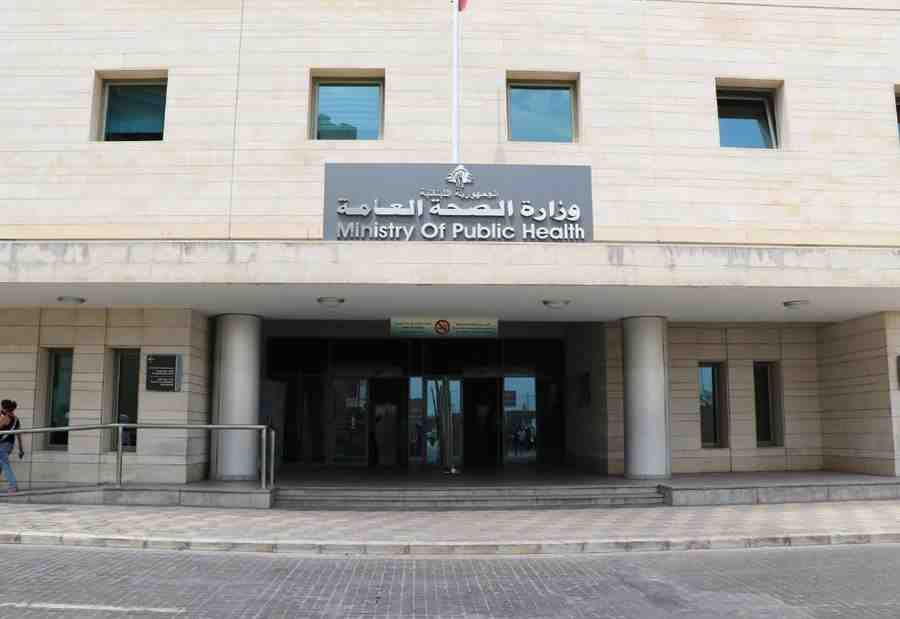
WHO and UNICEF launched the initiative globally in 1991 to replace hospital routines that could unintentionally undermine breastfeeding with consistent standards of care. Although related work in Lebanon predates 2018, the initiative became part of the country’s National Infant and Young Child Feeding Policy developed in March 2018. It is led by the Ministry of Public Health, with UNICEF support.
A hospital does not become “baby-friendly” simply by encouraging mothers to breastfeed. It must complete an external assessment and demonstrate compliance with the Ten Steps to Successful Breastfeeding. These include:
Adopting a written infant-feeding policy and training staff.
Informing families about breastfeeding before birth.
Supporting immediate skin-to-skin contact and early breastfeeding.
Helping mothers manage common breastfeeding difficulties.
Avoiding formula or other fluids unless medically indicated.
Keeping mothers and babies together.
Supporting feeding in response to the baby’s cues.
Explaining the implications of bottles and pacifiers.
Connecting families with continued support after discharge.
Hospitals must also avoid giving formula or other liquids unless medically necessary, explain safe alternatives when breastfeeding is not possible and connect mothers with continued support after discharge. In Lebanon, facilities must additionally comply with Law 47/2008, which regulates the marketing of infant-feeding products.
How Can It Remove Barriers?
Many breastfeeding difficulties begin before a mother leaves hospital. Separation from the baby, delayed skin-to-skin contact, conflicting professional advice, limited support with positioning or milk supply and unnecessary formula supplementation can make breastfeeding harder from the start.
Lebanese research also points to challenges beyond the hospital, including maternal exhaustion, employment conditions, limited family support and misconceptions about breast milk.
A study of pregnant women across Lebanon found that 93.7% had not heard of baby-friendly hospitals, while around half had not received adequate guidance on beginning or continuing breastfeeding. However, more than 90% said they would consider delivering in such a hospital after learning about its practices.
Evidence suggests that changing hospital practices can make a difference. At one private hospital in Beirut, the introduction of baby-friendly measures, including staff training, rooming-in, lactation support and revised formula policies—was associated with an increase in exclusive breastfeeding at discharge from 2.4% to 49% over the study period.
How Many Hospitals Are Baby-Friendly in Lebanon?
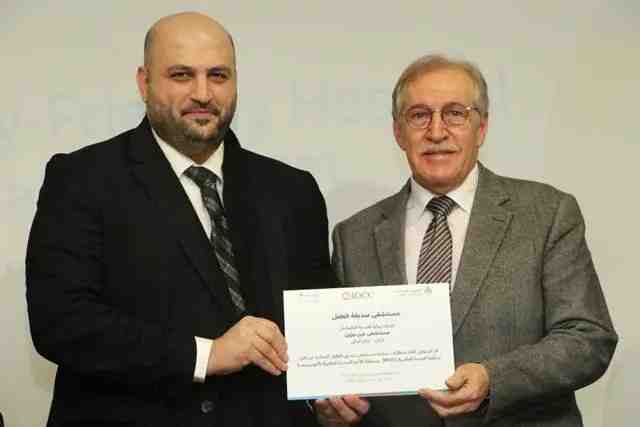
As of February 2026, the Ministry and UNICEF had designated three: Marjaayoun Governmental Hospital, Ain Wazein Medical Hospital and Rasoul Aazam Hospital. Earlier official updates referred to 16 hospitals implementing the initiative, but implementation is not the same as completing accreditation.
Three designated facilities remain a modest share of Lebanon’s maternity system, making wider coverage and regular recertification essential.
The Baby-Friendly Hospital Initiative cannot remove every barrier to breastfeeding. Maternity leave, workplace conditions, social attitudes and access to community-based support also shape whether mothers can continue. However, hospitals are where many families begin their infant-feeding journey.
Expanding baby-friendly standards across Lebanon would ensure that more mothers receive consistent, skilled and respectful support from the earliest days—giving every family a fair opportunity to breastfeed, while preserving informed choice and avoiding judgement.